

The final American horse slaughter plant was shut down in 2007. Still, 70,000 to more than 100,000 American horses, including equines in Appalachia, are shipped each year to Canada or Mexico for slaughter, according to estimates from animal welfare organizations. Awareness of this practice has increased as activists gain support for legislation to end the industry of shipping American horses abroad for slaughter.
There are “many cases of individuals posing as good homes, knocking on doors or answering Craigslist ads, who then sell the horse that they buy or take under false pretenses to kill-buyers,” most of whom are contracted buyers for slaughter plants, says Katie Kraska, manager of federal legislation for the American Society for the Prevention of Cruelty to Animals. Once in foreign slaughter facilities, horses are processed for meat products which are considered a delicacy in some countries.
Tinia Creamer, founder of Heart of Phoenix Equine Rescue in West Virginia, explains that Appalachian horses are at risk. “You won’t ever have an auction operating in those regions without either a known kill-buyer or a trader that ultimately sells to a kill-buyer,” she says.
Andrea Kovacs, a resident of Greene County, Tenn., has rescued horses from slaughter and is actively protesting the practice. “Anyone who goes to a local horse sale, they have to realize that by entering their horse in the arena, that horse is one bid away from slaughter,” Kovacs warns, calling it “a very predatorial practice.”
Kovacs and the ASPCA are promoting legislation in Congress that could end this industry in the country. In September, activists celebrated a majority of the House of Representatives cosponsoring bill H.R. 113, the Safeguard American Food Exports Act, which would end the practice of selling and shipping American horses for human consumption. A similar bill is in the Senate with 29 cosponsors. Both bills await decision in House and Senate committees.
“We believe bringing public attention to this needed policy reform and pressuring leadership to bring the issue for a vote are both critical elements of a winning strategy,” ASPCA’s Kraska says.
– By Eric Halvarson
Related Articles
Latest News
More Stories

Halloween Approaches, and Night School Is in Session
The House of Art in Bluefield, West Virginia, looks like a haunted tower, making it the perfect location for its sixth annual haunt event: Night School. The Night School will be open every Friday and Saturday night through Oct. 31.
‘The Most Perfect Act of Love’
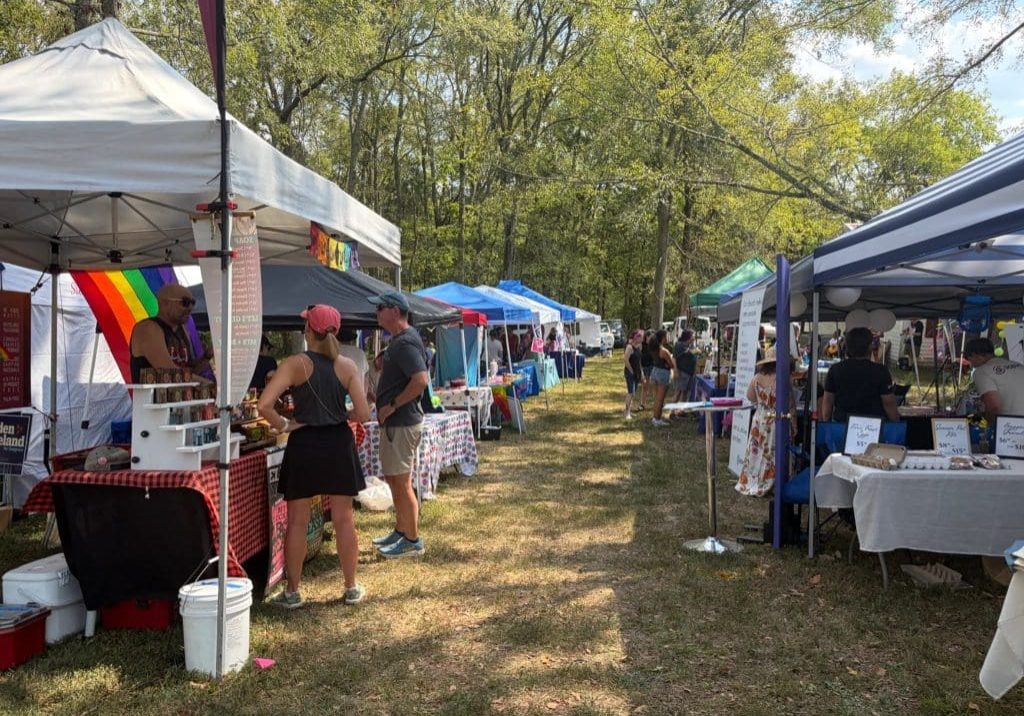
After losing its rural pride celebration, hundreds of people attended the second annual Affirming Sumner Pride celebration on a 24-acre farm dubbed “Fruity Farm” in Bethpage, Sumner County, Tennessee.
Signs of Life
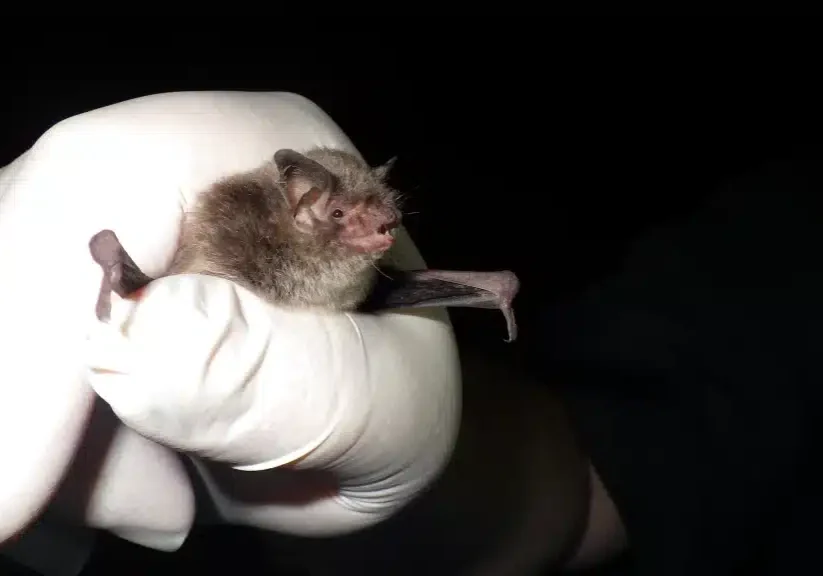
In the Nantahala National Forest, a team of biologists spotted Indiana bats, an endangered species that hasn’t been seen in North Carolina for the last 11 years.

‘First Line of Defense’
During Hurricane Helene and its aftermath, rural fire departments and other first responder hubs played critical roles in keeping their communities safe, even without power and cut off from outside support for days or weeks after the storm. Two years later, plenty of work remains to ensure these hubs have the resources they need to operate day to day and be ready when emergencies or natural disasters strike.

The Rocky Road — and Bridge — to Recovery
Hurricane Helene is estimated to have damaged nearly 7,000 private roads and bridges in Western North Carolina. Two years later, many restoration projects are complete, but the journey hasn’t been easy — and isn’t over for others.
After 20 Years, Letcher County Prison Proposal Is Still Alive, Though Obstacles Remain
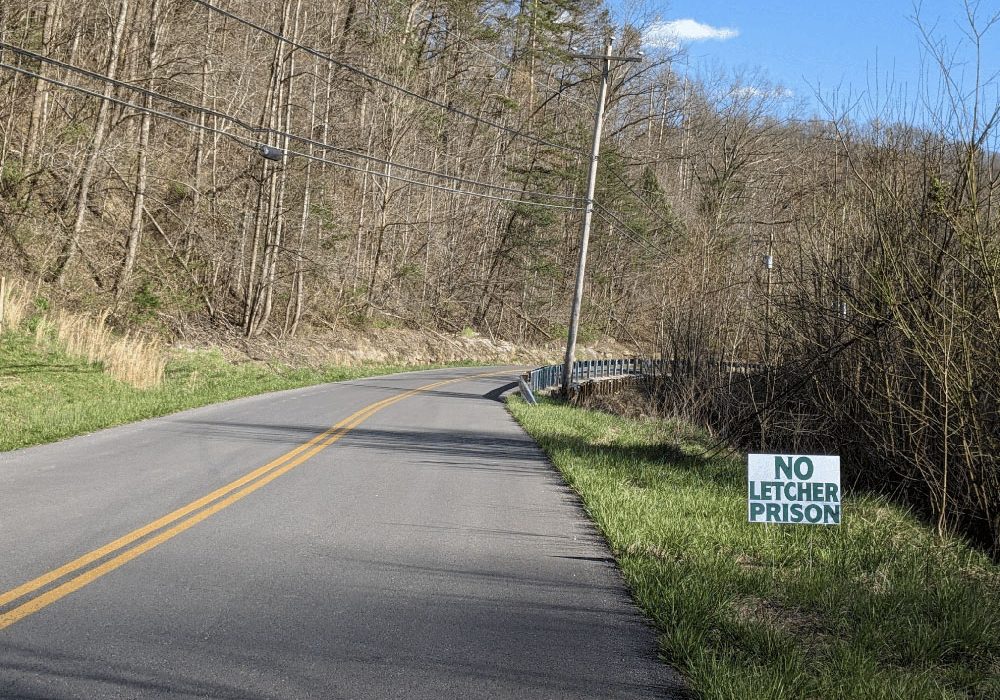
A $605 million proposal for a federal prison on a former strip mine site in Letcher County, Kentucky, championed by U.S. Rep. Hal Rogers, refuses to die, despite local opposition, a lack of support from the executive branch and numerous other obstacles.

Leave a comment
Your email address will not be published. Required fields are marked *
Leave a Comment