

Solar, Environmental Justice and Utility Reform in Virginia
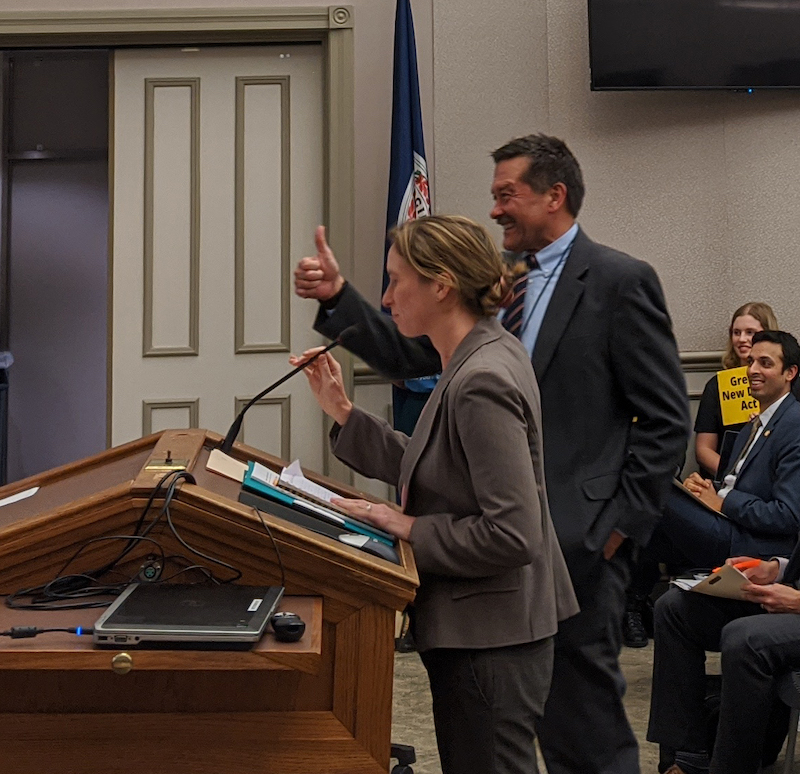
Chelsea Barnes of Appalachian Voices lobbies in Richmond, Va., in favor of a grant program that would incentivize solar development on former mine and industrial sites.
In the solar arena, we’re pushing to lift restrictions on home solar and expand third-party financing, a critical tool for reducing the cost of solar. Additional legislation could create community solar programs in which neighborhoods or apartment dwellers can all benefit from a shared solar facility. We are also working to create a grant program in the state budget to encourage renewable energy development on coal-impacted lands and other brownfields.
Among the bills we are supporting with the Virginia Environmental Justice Collaborative is one that would ensure state agencies develop environmental justice policies that are incorporated into their decision-making.
Regarding electric utility regulation, one bipartisan bill we are backing would restore regulators’ authority to review electricity rates and set reasonable profit levels for Dominion Energy. Another would protect consumers from paying billions of dollars for pipeline infrastructure if the state finds the additional fuel unnecessary or not cost-effective to provide electricity to customers. We also supported a bill to end Virginia’s monopoly utility system and allow families and businesses to choose where they get their electricity. That measure was carried over to the 2021 legislative session.
See the status of these bills and contact your representative at appvoices.org/va-legislature-2020.
Related Articles
Latest News
More Stories

Halloween Approaches, and Night School Is in Session
The House of Art in Bluefield, West Virginia, looks like a haunted tower, making it the perfect location for its sixth annual haunt event: Night School. The Night School will be open every Friday and Saturday night through Oct. 31.
‘The Most Perfect Act of Love’
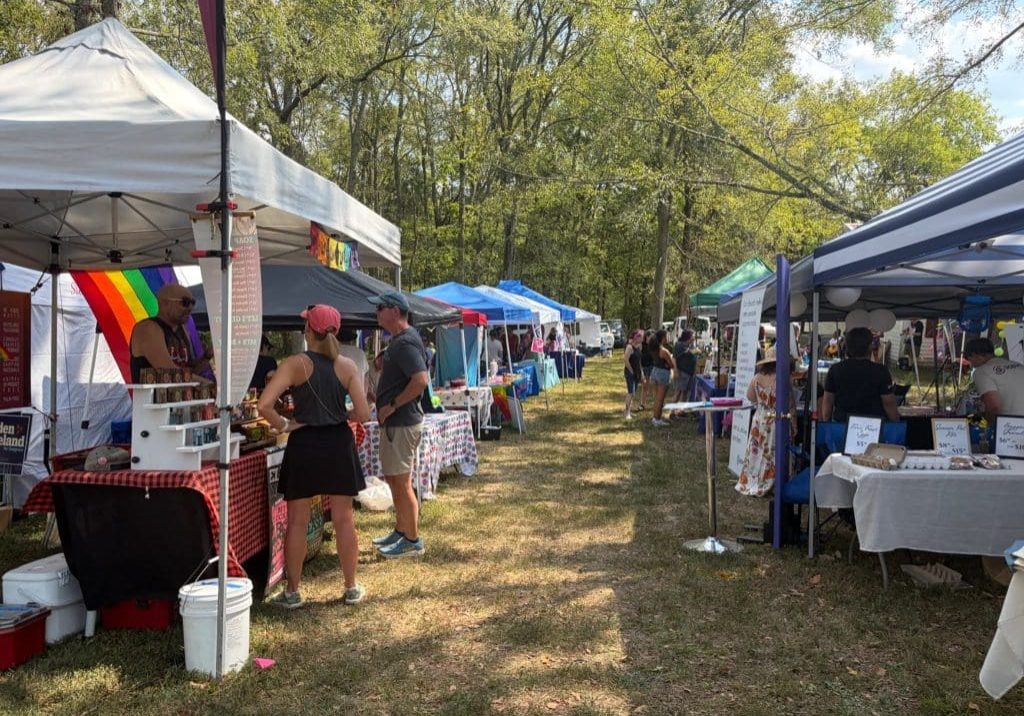
After losing its rural pride celebration, hundreds of people attended the second annual Affirming Sumner Pride celebration on a 24-acre farm dubbed “Fruity Farm” in Bethpage, Sumner County, Tennessee.

Signs of Life
In the Nantahala National Forest, a team of biologists spotted Indiana bats, an endangered species that hasn’t been seen in North Carolina for the last 11 years.

‘First Line of Defense’
During Hurricane Helene and its aftermath, rural fire departments and other first responder hubs played critical roles in keeping their communities safe, even without power and cut off from outside support for days or weeks after the storm. Two years later, plenty of work remains to ensure these hubs have the resources they need to operate day to day and be ready when emergencies or natural disasters strike.

The Rocky Road — and Bridge — to Recovery
Hurricane Helene is estimated to have damaged nearly 7,000 private roads and bridges in Western North Carolina. Two years later, many restoration projects are complete, but the journey hasn’t been easy — and isn’t over for others.
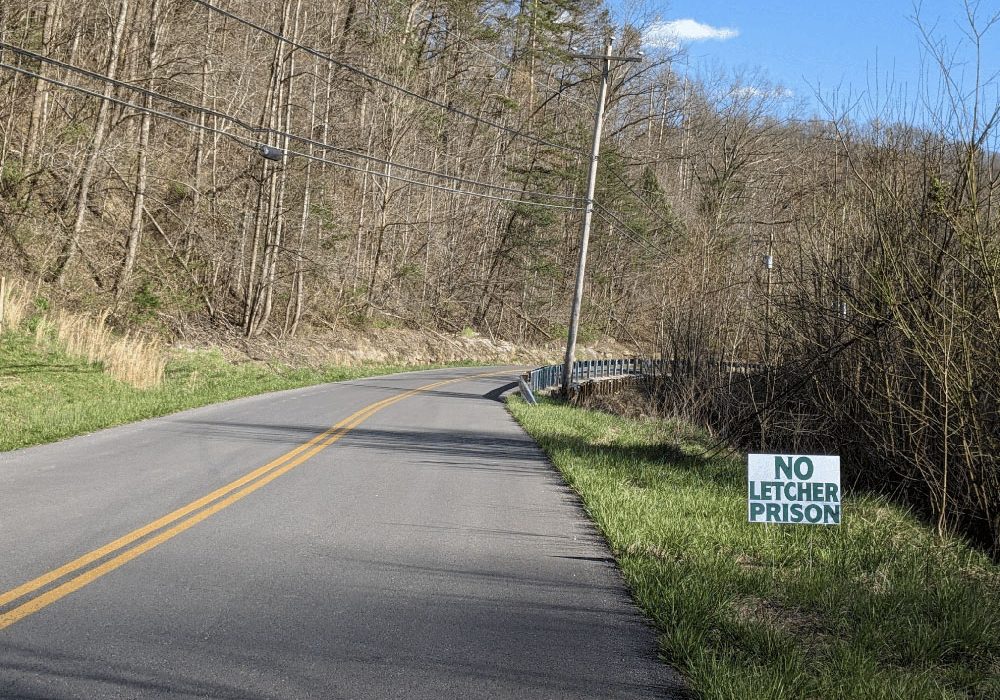
After 20 Years, Letcher County Prison Proposal Is Still Alive, Though Obstacles Remain
A $605 million proposal for a federal prison on a former strip mine site in Letcher County, Kentucky, championed by U.S. Rep. Hal Rogers, refuses to die, despite local opposition, a lack of support from the executive branch and numerous other obstacles.

Leave a comment
Your email address will not be published. Required fields are marked *
Leave a Comment