

How to Be a Friend to Bats
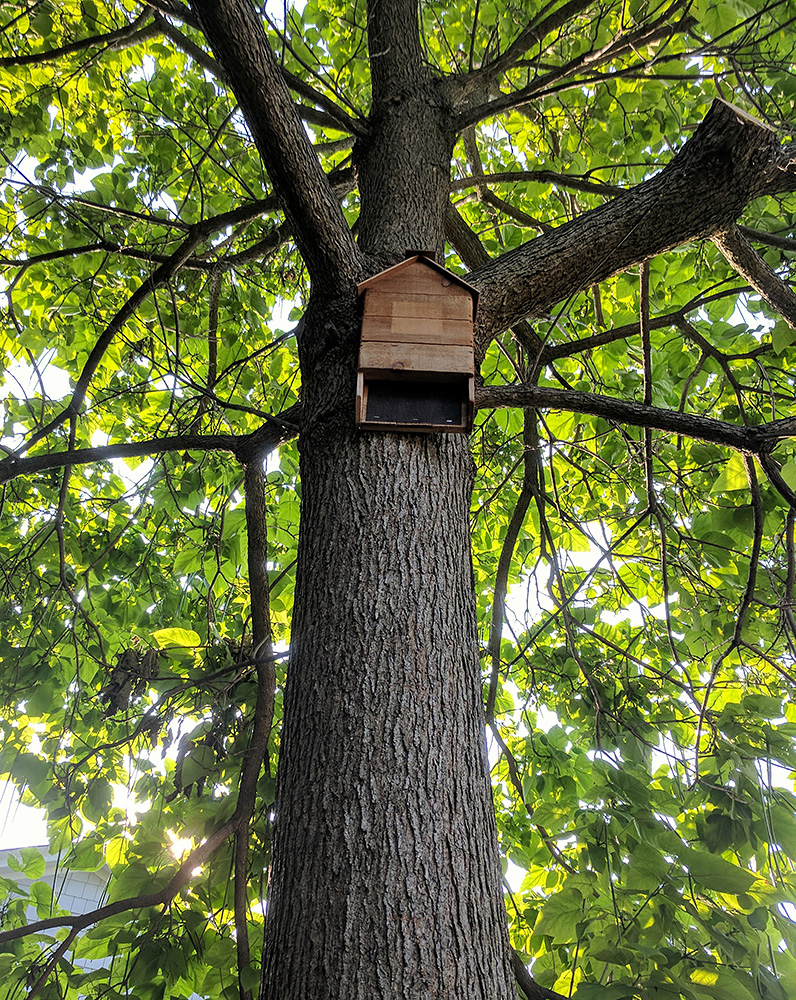
A bat house in Virginia. Photo by Jon Fisher
Bats find shelter in dead trees and caves, but people can provide additional roosting sites by constructing bat boxes on the sides of buildings or on top of metal poles. Boxes should receive six to eight hours of sunlight daily, have covering to protect bats from rain and predators, and be located 12 to 20 feet above the ground. Boxes on the sides of buildings retain the most heat, which helps maintain a healthy temperature of between 80 to 100 degrees Fahrenheit during the summer when bat pups are young. The National Wildlife Federation provides a helpful bat box how-to guide at tinyurl.com/build-bat-house.
To attract bats to an open yard, plant flowers like white jasmine and evening primrose or herbs like mint and lemon balm. Planting oak or field maple trees nearby to provide shelter can also attract bats.
And to ensure that a yard is bat-friendly, keep cats indoors. If that is not possible, keep them inside from a half hour before sunset until an hour after, when bats are most active.
During fall and winter, bats typically hibernate in caves or trees. When disturbed by human activity during hibernation, they prematurely burn through their fat reserves, which can lead to death. To respect bats, do not disturb their roosting sites — especially during hibernation season.
Another way to protect bats is by supporting organizations like Bat Conservation International. This global nonprofit group is engaged in researching white-nose syndrome and other threats to bats, educating the public to combat the bat’s negative reputation, and protecting habitats like forests, caves and abandoned mines. Visit batcon.org for more information. — By Jamie Tews
Related Articles
Latest News
More Stories

Halloween Approaches, and Night School Is in Session
The House of Art in Bluefield, West Virginia, looks like a haunted tower, making it the perfect location for its sixth annual haunt event: Night School. The Night School will be open every Friday and Saturday night through Oct. 31.
‘The Most Perfect Act of Love’
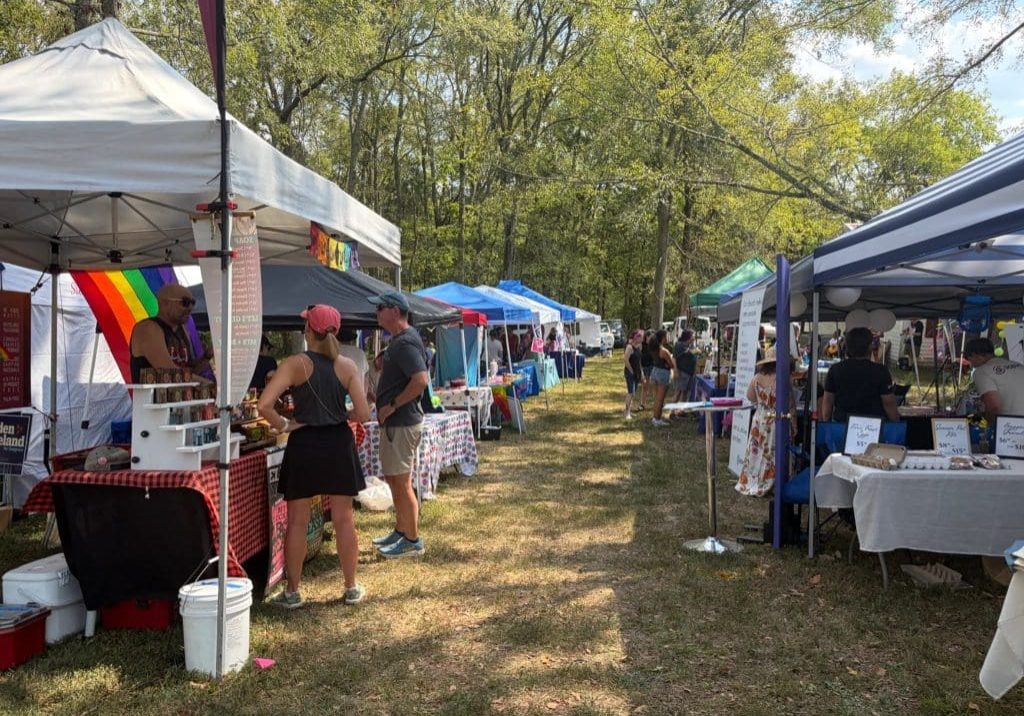
After losing its rural pride celebration, hundreds of people attended the second annual Affirming Sumner Pride celebration on a 24-acre farm dubbed “Fruity Farm” in Bethpage, Sumner County, Tennessee.
Signs of Life
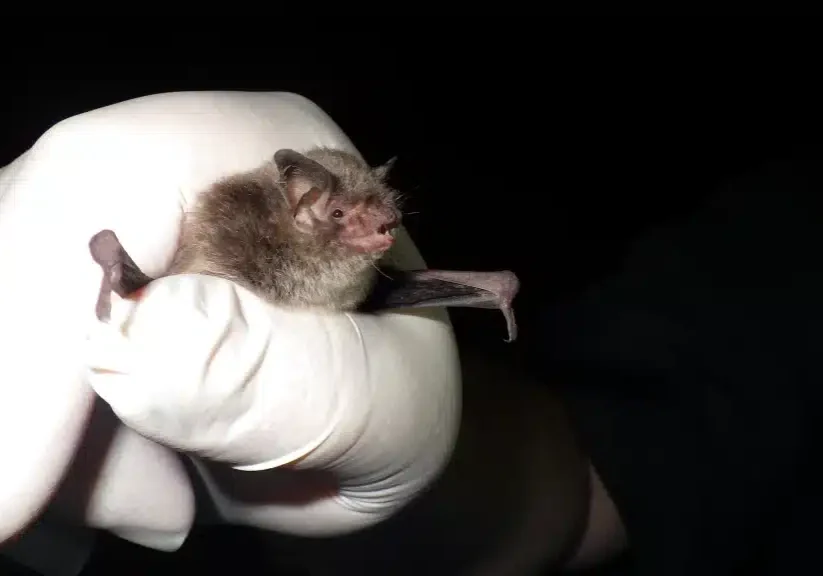
In the Nantahala National Forest, a team of biologists spotted Indiana bats, an endangered species that hasn’t been seen in North Carolina for the last 11 years.

‘First Line of Defense’
During Hurricane Helene and its aftermath, rural fire departments and other first responder hubs played critical roles in keeping their communities safe, even without power and cut off from outside support for days or weeks after the storm. Two years later, plenty of work remains to ensure these hubs have the resources they need to operate day to day and be ready when emergencies or natural disasters strike.

The Rocky Road — and Bridge — to Recovery
Hurricane Helene is estimated to have damaged nearly 7,000 private roads and bridges in Western North Carolina. Two years later, many restoration projects are complete, but the journey hasn’t been easy — and isn’t over for others.
After 20 Years, Letcher County Prison Proposal Is Still Alive, Though Obstacles Remain
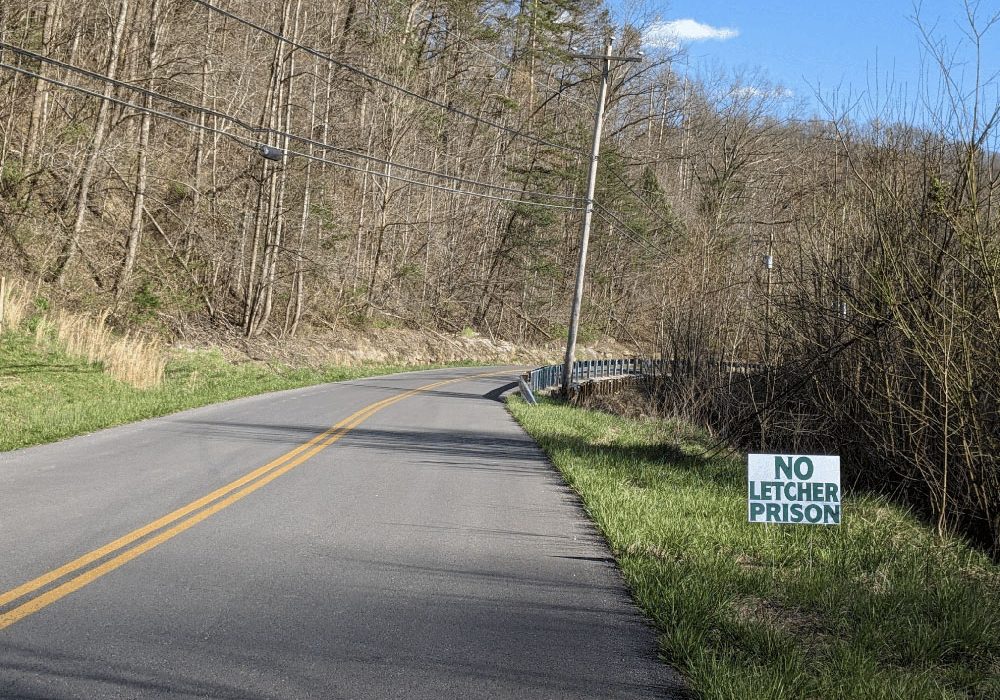
A $605 million proposal for a federal prison on a former strip mine site in Letcher County, Kentucky, championed by U.S. Rep. Hal Rogers, refuses to die, despite local opposition, a lack of support from the executive branch and numerous other obstacles.

Leave a comment
Your email address will not be published. Required fields are marked *
Leave a Comment