

By Elizabeth E. Payne
Many North Carolina residents living near Duke Energy coal ash ponds are weighing their options for getting access to clean drinking water. In February, residents of Rowan County met to consider both municipal water and filtration systems for their wells. Duke is required by state law to provide a safe, permanent solution.
The company is also offering residents $5,000 if they promise to not sue the company in the future. Duke is also seeking rate hikes to transfer the cost of coal ash cleanup to ratepayers.
Madison and Eden, N.C., have upgraded their local water treatment facilities because of bromide in their water that originated from the Belews Creek coal ash impoundment ponds. When bromide is mixed with chlorine, it creates a cancer-causing agent.
A bill working its way through the Virginia legislature could establish a one-year moratorium on coal ash pond closures while other options are studied. The original Senate Bill 1398 included the moratorium, which was then removed by the House of Delegates but reinstated by an amendment by Gov. Terry McAuliffe.
The Virginia House also removed language that would have required the state Department of Environmental Quality to consider the findings of environmental assessments before issuing closure permits.
Many who oppose the cap-in-place closure of the ash ponds at Virginia’s Possum Point Power Station support the moratorium, which would give regulators more time to study the situation.
The General Assembly will consider the governor’s amendment again in April.
In Georgia, residents are pushing back against the disposal of out-of-state coal ash in their landfills. But none of the related bills before the state’s legislature made it out of committee.
Of particular concern is a plan to bury 10,000 tons of coal ash daily in a landfill in Wayne County. At least some of this ash would come from a Duke Energy site in North Carolina. The company that operates the landfill only needs a permit from the U.S. Army Corps of Engineers to build a rail yard large enough to accept this much ash before proceeding.
In Kentucky, a rule that would remove most of the state’s oversight in permitting coal ash ponds is moving forward. As currently written, companies would not need permits before building sites, and complaints could only be raised after violations have occurred. Utility companies may have influenced the changes to the rule, according to WFPL, Louisville’s NPR news station.
And in an Alabama victory, a landfill company dropped a $30 million defamation suit against residents of Uniontown who raised concerns about health problems that occurred one a nearby landfill began accepting coal ash.
Related Articles
Latest News
More Stories

Halloween Approaches, and Night School Is in Session
The House of Art in Bluefield, West Virginia, looks like a haunted tower, making it the perfect location for its sixth annual haunt event: Night School. The Night School will be open every Friday and Saturday night through Oct. 31.
‘The Most Perfect Act of Love’
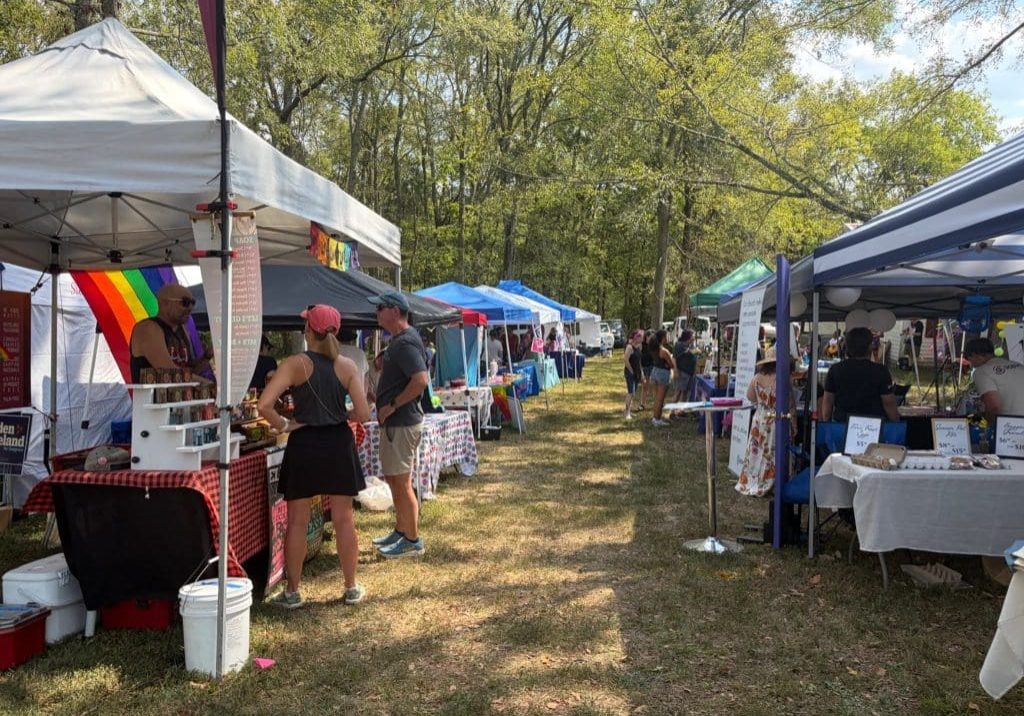
After losing its rural pride celebration, hundreds of people attended the second annual Affirming Sumner Pride celebration on a 24-acre farm dubbed “Fruity Farm” in Bethpage, Sumner County, Tennessee.

Signs of Life
In the Nantahala National Forest, a team of biologists spotted Indiana bats, an endangered species that hasn’t been seen in North Carolina for the last 11 years.

‘First Line of Defense’
During Hurricane Helene and its aftermath, rural fire departments and other first responder hubs played critical roles in keeping their communities safe, even without power and cut off from outside support for days or weeks after the storm. Two years later, plenty of work remains to ensure these hubs have the resources they need to operate day to day and be ready when emergencies or natural disasters strike.
The Rocky Road — and Bridge — to Recovery
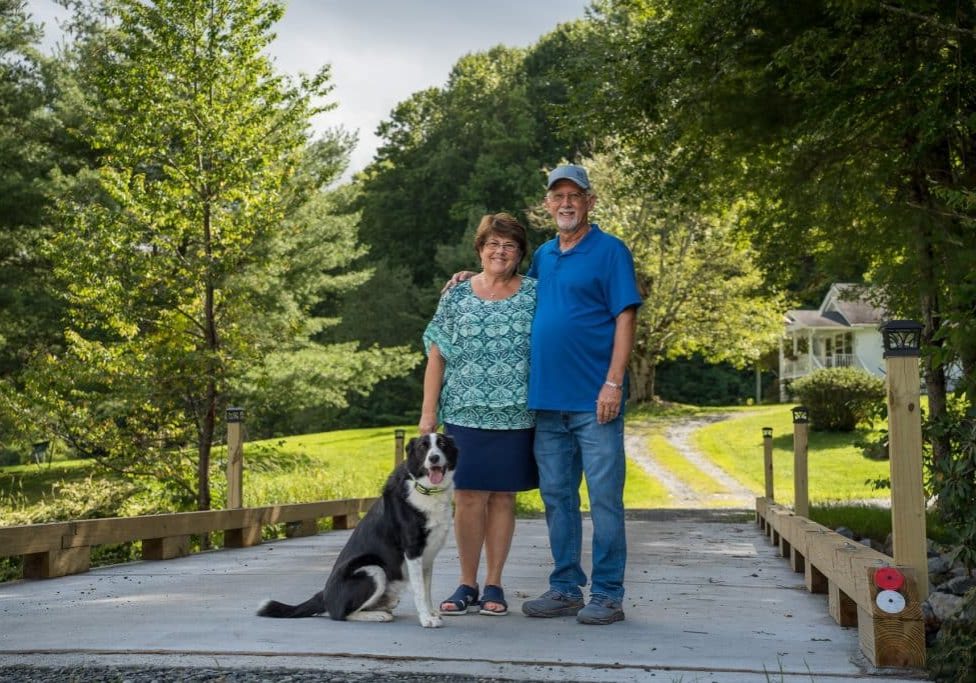
Hurricane Helene is estimated to have damaged nearly 7,000 private roads and bridges in Western North Carolina. Two years later, many restoration projects are complete, but the journey hasn’t been easy — and isn’t over for others.
After 20 Years, Letcher County Prison Proposal Is Still Alive, Though Obstacles Remain
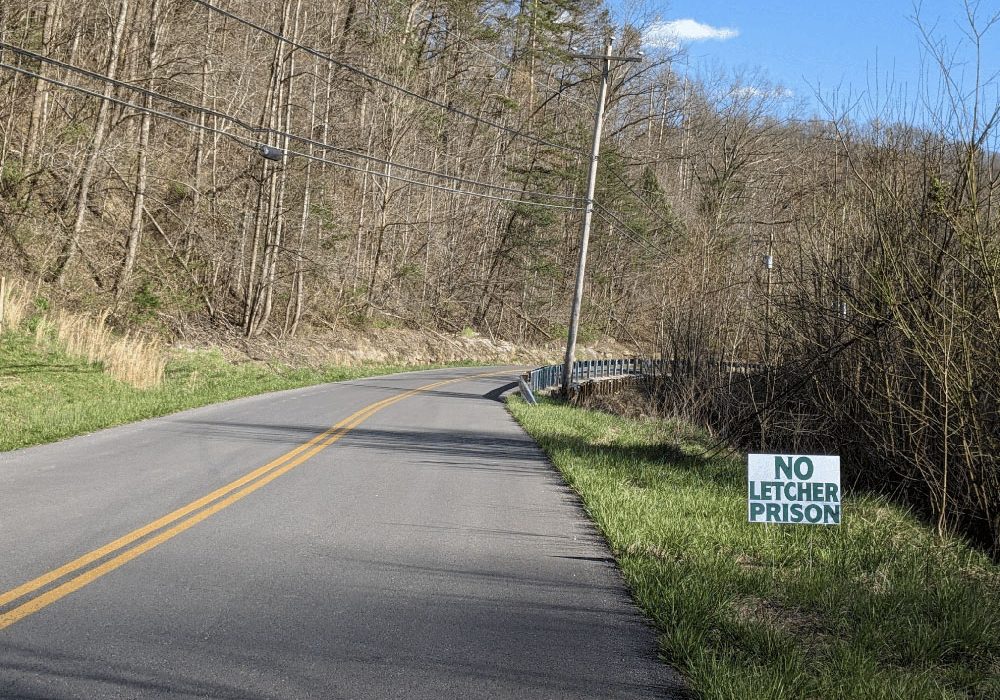
A $605 million proposal for a federal prison on a former strip mine site in Letcher County, Kentucky, championed by U.S. Rep. Hal Rogers, refuses to die, despite local opposition, a lack of support from the executive branch and numerous other obstacles.

Leave a comment
Your email address will not be published. Required fields are marked *
Leave a Comment