

Creating Opportunities in the Green-Collar Economy
 By Paige Campbell
“We meet people where they are.”
That’s how Sarah Carter describes the philosophy of Asheville, N.C.’s Green Opportunities, a training institute for the growing green-collar jobs sector. Just how substantially that sector is growing is the subject of a Bureau of Labor Statistics report due for release this year. But in communities including Asheville, sustainability-driven fields already represent a new set of opportunities for job seekers. GO, in particular, strives to offer training to those who might not qualify for other programs.
Carter says the program targets participants who face challenges such as being low income, having a criminal record, facing homelessness or lacking a driver’s license.
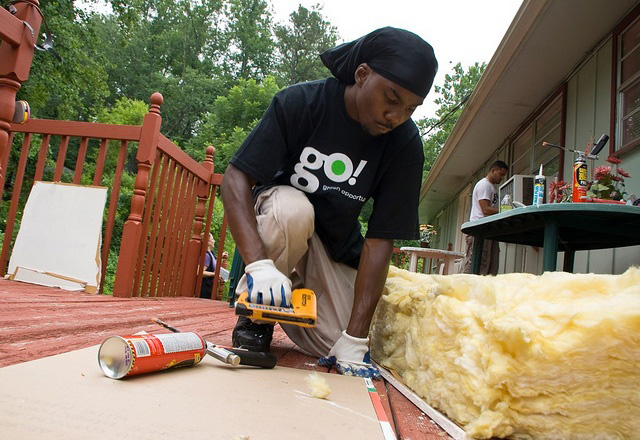
As GO’s home performance services coordinator, Carter inspects construction projects city-wide to assess energy efficiency. But she’s also recently taken on her first apprentice, a GO participant named Ed Holloman who was so motivated that he completed every program the organization offered and still wanted to learn more.
When Holloman first learned about Green Opportunities’ trainings, he saw an opportunity to take serious steps toward a rewarding profession after time in prison eliminated his hope of becoming a teacher. Holloman thrived as a member of the Training Team, GO’s flagship program, which guides a small crew of young adults through training in sustainable construction. He completed further GO training programs and soon earned the credentials (including certifications in weatherization and energy auditing) to lead a crew himself.
“GO has definitely opened a door for me,” says Holloman, adding that the experience will increase his long-term earning potential.
Building on the Basics
Other programs in Appalachia offer different training models for green jobs. In western Virginia, the CREATES program (Construction, Retrofitting, and Energy-Efficient Assessment Training and Employment Systems) has put 400 people through trainings at regional community colleges. Funded by the 2009 federal stimulus package, by the end of this year CREATES will have sent participants back to 21 counties with new skills.
Dale Hedrick enrolled in CREATES after deciding to transition away from a career in web development to learn a more hands-on trade installing solar panels. He began with basic electrical courses and completed his training in about two years.
CREATES helped finance his training and assured his placement in the courses required for certification; it also connected him to a regional trade show, which helped hone his business plan. Now Hedrick runs his own business, Blue Ridge Solar. “It gave me the experience of … actually testing the marketability of what I want to do and adjust my plan.”
Still, short-term, grant-funded training works best “when there is a vibrant market for that workforce to go out into,” and many Appalachian communities lack such a market, says Eric Mathis of Williamson, W.Va.’s JOBS Project. The JOBS Project’s mission, through a collaboration with the Williamson Redevelopment Authority in an initiative called Sustainable Williamson, is to work within existing construction, energy and food systems industries to tackle those market-level challenges.
To illustrate the JOBS Project vision, Mathis points to the experience of Matthew Gilliam, a third-generation coal mine electrician who now runs Gilliam Solar. Gilliam’s work demonstrates a shift towards sustainability while providing a marketable product, and also offers an example to an emerging workforce.
The forthcoming Bureau of Labor Statistics report promises to shed light on the extent to which examples like Gilliam’s reflect the green-collar industry’s overall growth. In Appalachian communities that have taken green jobs training seriously, it could make for a very bright light indeed.
Related Articles
Latest News
More Stories

Halloween Approaches, and Night School Is in Session
The House of Art in Bluefield, West Virginia, looks like a haunted tower, making it the perfect location for its sixth annual haunt event: Night School. The Night School will be open every Friday and Saturday night through Oct. 31.
‘The Most Perfect Act of Love’
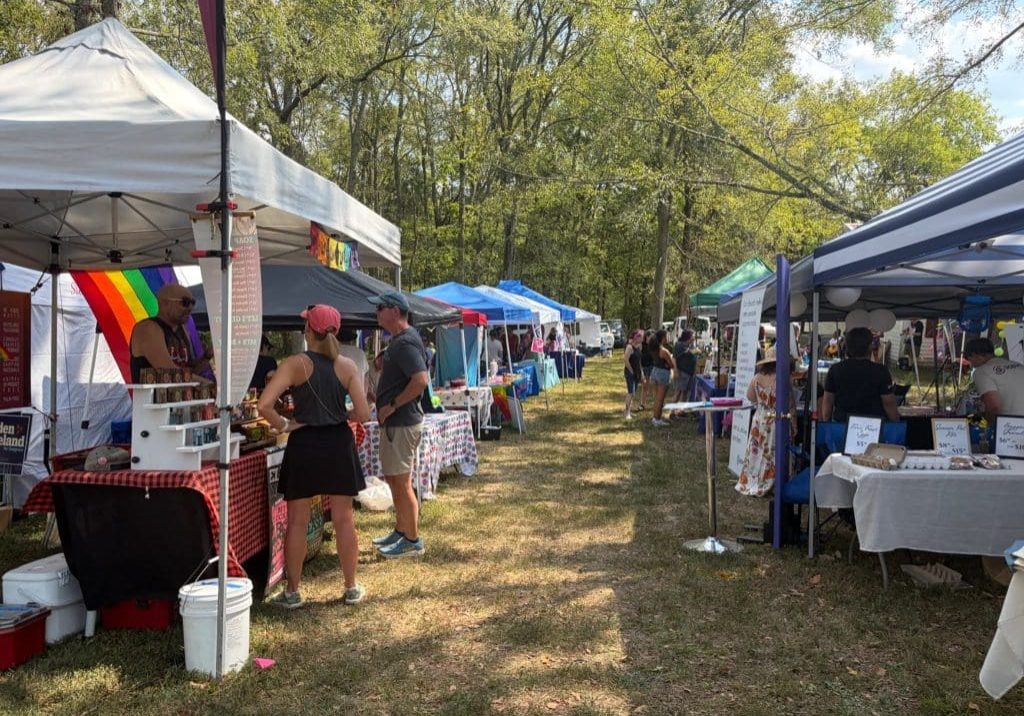
After losing its rural pride celebration, hundreds of people attended the second annual Affirming Sumner Pride celebration on a 24-acre farm dubbed “Fruity Farm” in Bethpage, Sumner County, Tennessee.

Signs of Life
In the Nantahala National Forest, a team of biologists spotted Indiana bats, an endangered species that hasn’t been seen in North Carolina for the last 11 years.

‘First Line of Defense’
During Hurricane Helene and its aftermath, rural fire departments and other first responder hubs played critical roles in keeping their communities safe, even without power and cut off from outside support for days or weeks after the storm. Two years later, plenty of work remains to ensure these hubs have the resources they need to operate day to day and be ready when emergencies or natural disasters strike.

The Rocky Road — and Bridge — to Recovery
Hurricane Helene is estimated to have damaged nearly 7,000 private roads and bridges in Western North Carolina. Two years later, many restoration projects are complete, but the journey hasn’t been easy — and isn’t over for others.
After 20 Years, Letcher County Prison Proposal Is Still Alive, Though Obstacles Remain
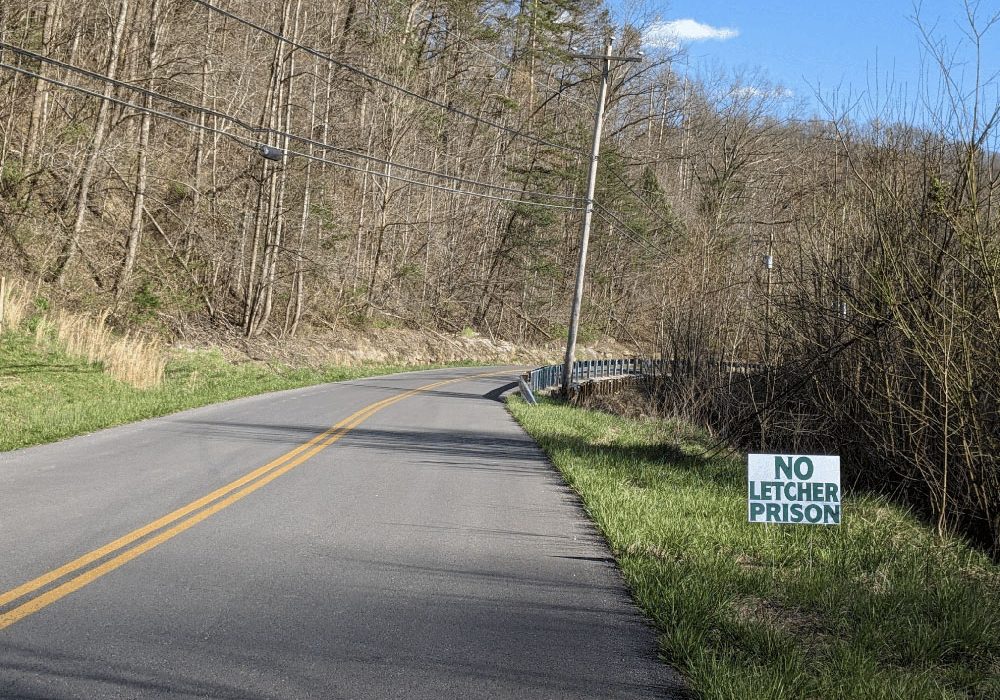
A $605 million proposal for a federal prison on a former strip mine site in Letcher County, Kentucky, championed by U.S. Rep. Hal Rogers, refuses to die, despite local opposition, a lack of support from the executive branch and numerous other obstacles.

Leave a comment
Your email address will not be published. Required fields are marked *
Leave a Comment