
Cleaning Up Coal Ash

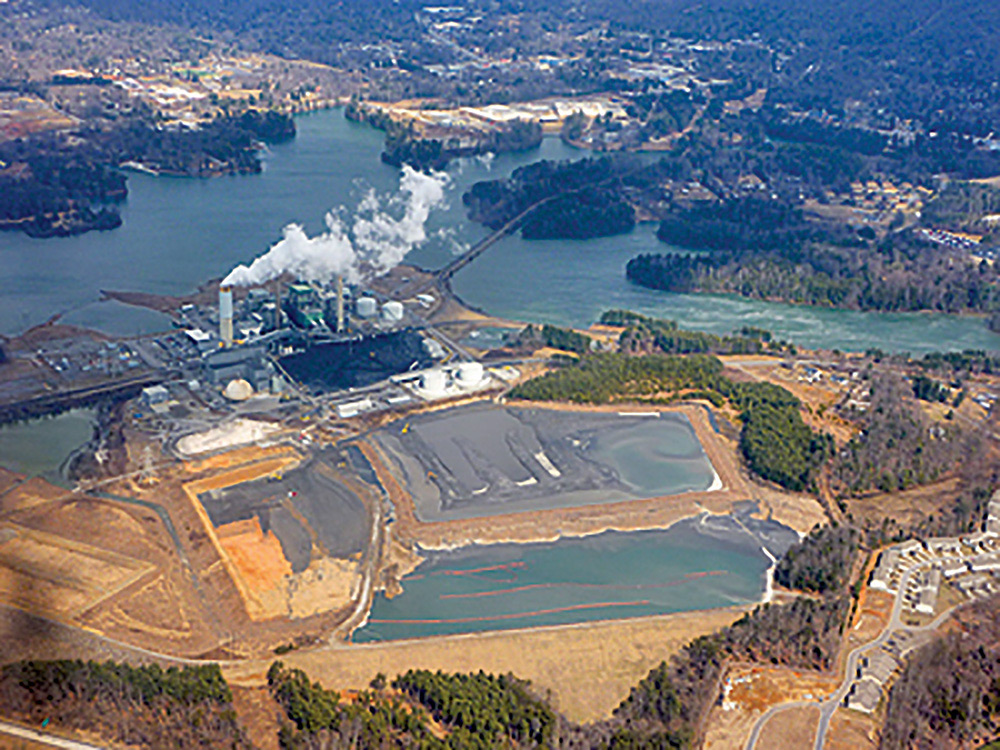
For well over a century, power plants across the country have burned coal to generate electricity. And for just as long, leftover coal ash has been dumped in open, unlined pits near the power plant, usually located on a river or lake. Every year, U.S. power plants produce 130 million tons of coal ash, which is the second largest waste stream in the country after municipal garbage.
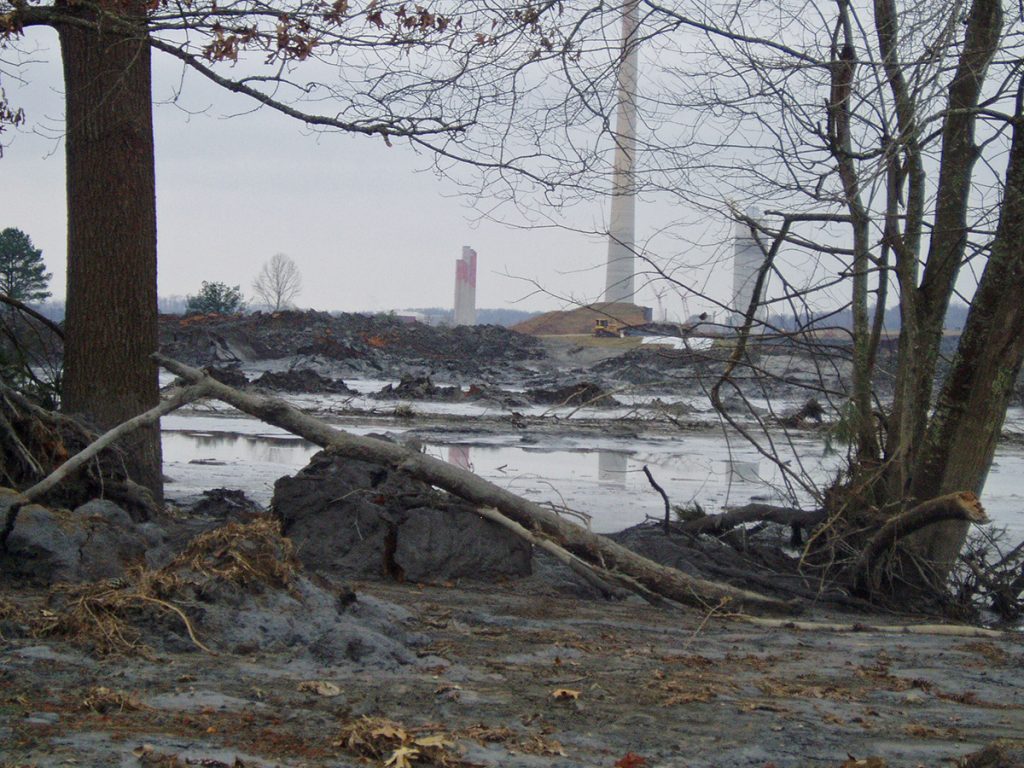
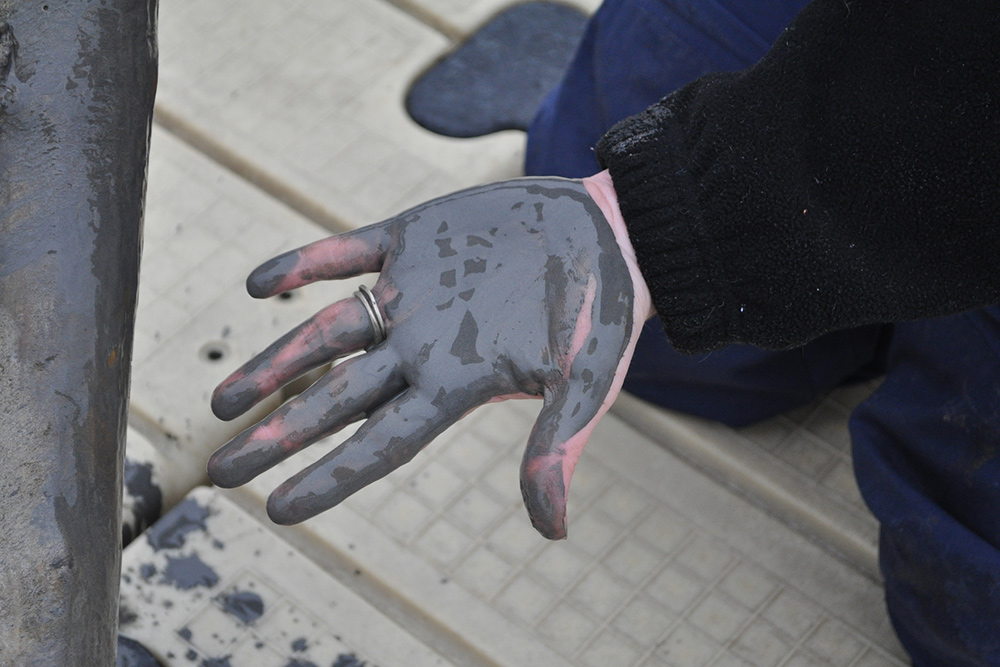
Coal ash concentrates the toxic heavy metals found in coal, including arsenic, mercury, lead and selenium. Stored in unlined, wet impoundments, coal ash has been leaking these toxics into our groundwater and surface waters for years. Sometimes these impoundments collapse — with disastrous results.
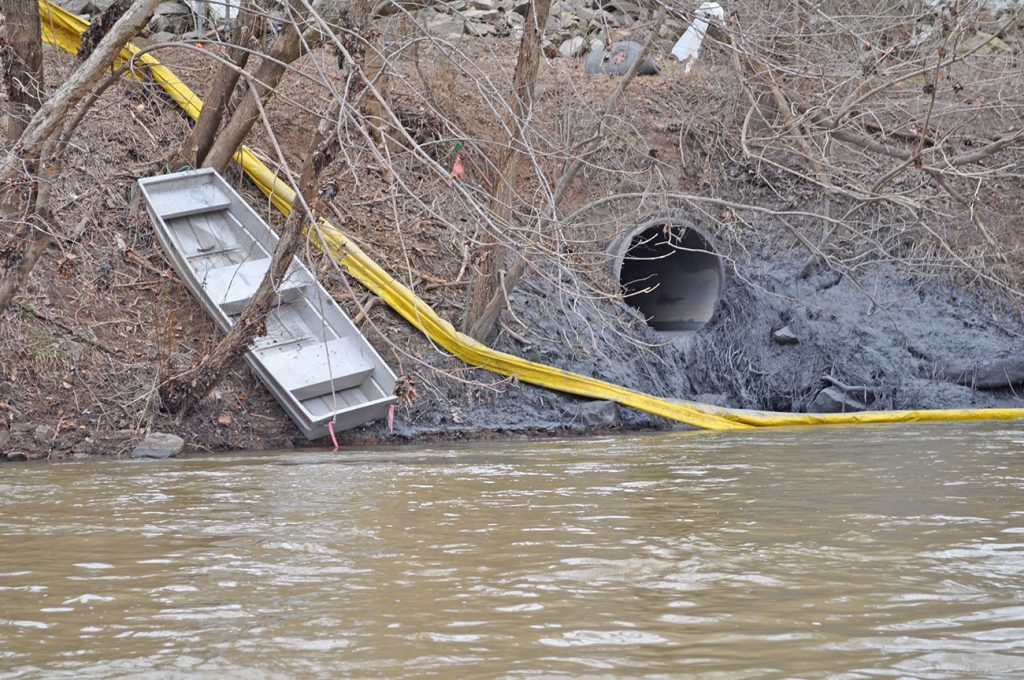
Yet government regulations for coal ash management are either non-existent or sparse, and there is little enforcement of the regulations that do exist. In North Carolina, this lack of oversight — and the complicity between state regulators, elected officials and Duke Energy — came to a boiling point in February 2014 when one of Duke’s coal ash impoundments spilled 39 million tons of ash into the Dan River.

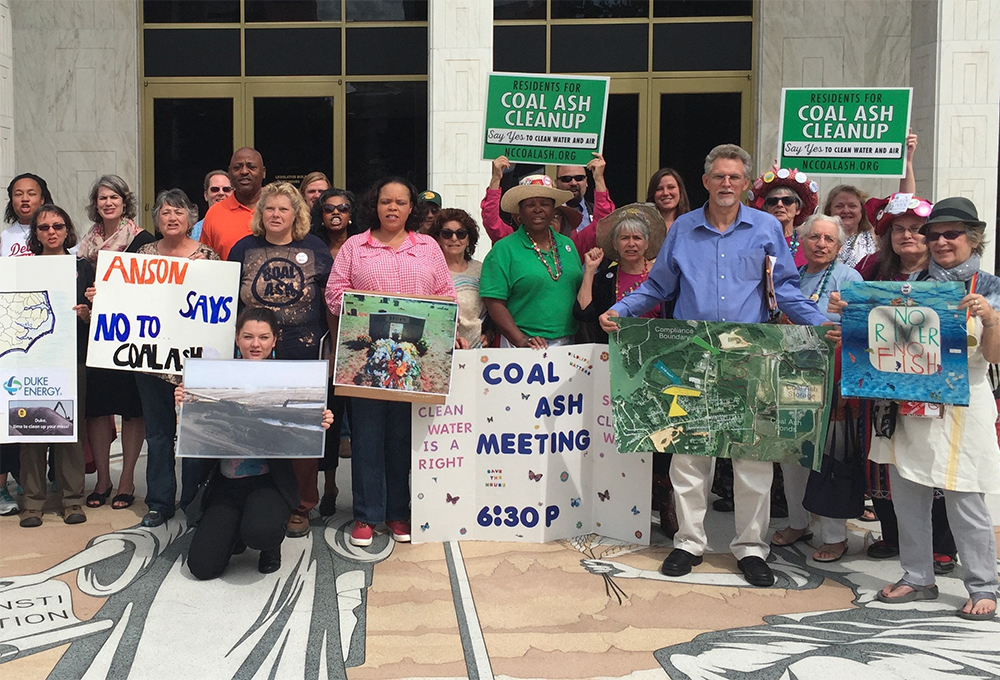
Citizens living near North Carolina’s 33 coal ash impoundments — all of which have leaked — have fought for transparency from Duke and the state, and for cleanup of the pollution that threatens their property value, health and family. Their actions forced this issue into the headlines of news networks and to the forefront of environmental justice conversations in the United States.
Appalachian Voices stood with these communities as we worked for years to compel Duke Energy and the N.C. Department of Environmental Quality to excavate coal ash from all the North Carolina sites and dispose of it either in lined, dry landfills, away from waterways, or by recycling it for concrete or other uses, provided it’s done in a manner that protects public health and the environment.
On Jan. 2, 2020, North Carolina announced a historic settlement with one of the state’s most powerful corporations and polluters, Duke Energy. The settlement requires Duke to move nearly 80 million tons of toxic coal ash at six of its power plants to properly lined landfills onsite or recycle it.

Latest News
Utilities Face Legal Challenges in Ongoing Coal Ash Cleanup
Duke Energy and Dominion Energy, both energy utilities, face legal challenges as they struggle to cut costs while meeting their requirements to clean up their coal ash ponds. And new regulations in Kentucky worry some.
Duke Energy Wants to Raise Rates to Pay for Coal Ash Cleanup
Energy giant Duke Energy has signaled to the North Carolina Utilities Commission that it will seek to raise its rates, in part to pay for the nearly $5 billion needed to clean up its coal ash impoundments.

Coal Ash Storage and Cleanup Problems Continue Across the Southeast
Across the Southeast, problems related to the cleanup and storage of coal ash continue to plague area residents.
Could Concrete Help Get Coal Ash Out of Neighborhoods?
More than 150 million tons of coal ash are stored in impoundment ponds across North Carolina. Recycling the ash for use in concrete may provide a way to remove this toxic material from neighborhoods.
Regional Coal Ash News
Community and environmental groups in North Carolina, Virginia and Tennessee continue to push for clean up of the coal ash in their areas and for access to clean water provided.

Gov. Cooper nominates new environmental secretary
Gov. Roy Cooper has appointed Michael Regan as the next secretary of the N.C. Department of Environmental Quality. Regan pledged to develop greater transparency at the agency. That alone could signal a shift from the prior DEQ leadership’s approach to public engagement on environmental issues.