

By Elizabeth E. Payne
In North Carolina, Duke Energy submitted a request to the state’s Utilities Commission on Dec. 30, 2016, seeking to defer costs associated with cleaning up its coal ash. With a deferral, the costs could be recouped through rate hikes in 2017, according to the Triad Business Journal.
The utility has also presented residents with drinking-water wells near its coal ash ponds a one-time $5,000 “goodwill” offer, plus additional payments for eligible properties. But any resident that accepts the offer must give up their right to sue Duke Energy for any future contamination or health problems.
“Duke Energy is trying to place a $5,000 price tag on my past, present, and future groundwater contamination concerns. This is an attempt to limit our ability to protect our families,” said Amy Brown of Belmont, N.C., in a statement by the citizen advocacy group Alliance of Carolinians Together (ACT) Against Coal Ash.
Dominion Virginia Power will pay to connect residents living near their Possum Point power plant to public water or provide filtration systems after wells in the area tested positive for contaminants.
On Jan. 25, a trial began against Tennessee Valley Authority for violations of the Clean Water Act. The lawsuit — brought by the Southern Environmental Law Center on behalf of state conservation groups — alleges that the utility’s coal ash impoundments have polluted the Cumberland River.
The federal Water Infrastructure Improvements for the Nation Act was signed into law on Dec. 16, 2016. Among other provisions, the law gives states more power to regulate coal ash, and it gives the U.S. Environmental Protection Agency more authority to oversee state permitting processes.
Related Articles
Latest News
More Stories

Halloween Approaches, and Night School Is in Session
The House of Art in Bluefield, West Virginia, looks like a haunted tower, making it the perfect location for its sixth annual haunt event: Night School. The Night School will be open every Friday and Saturday night through Oct. 31.
‘The Most Perfect Act of Love’
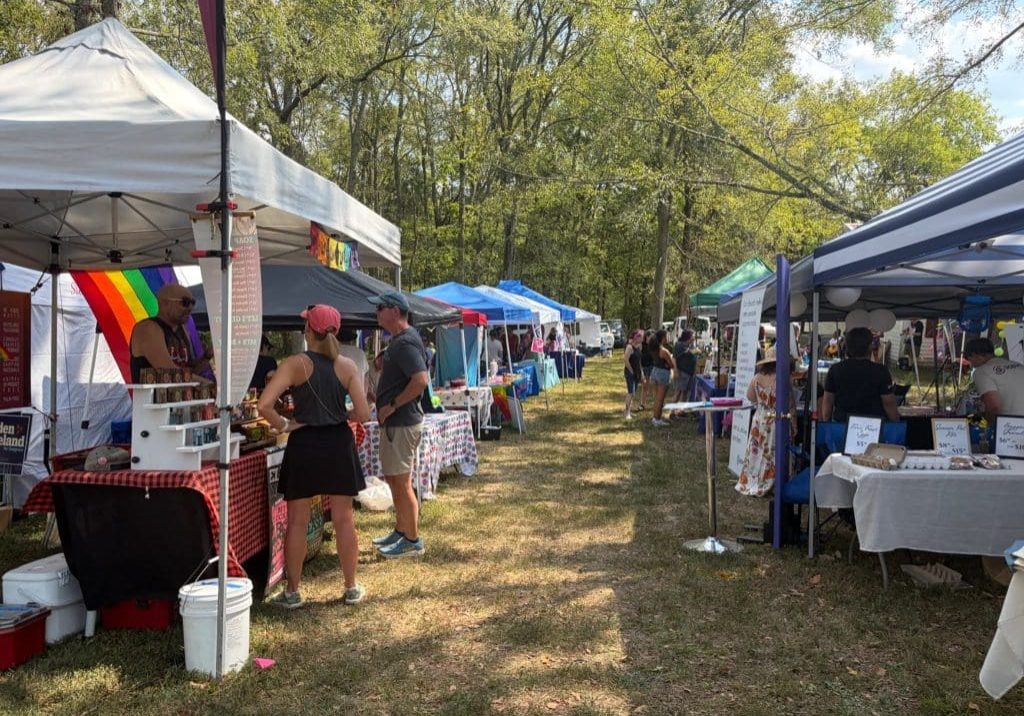
After losing its rural pride celebration, hundreds of people attended the second annual Affirming Sumner Pride celebration on a 24-acre farm dubbed “Fruity Farm” in Bethpage, Sumner County, Tennessee.

Signs of Life
In the Nantahala National Forest, a team of biologists spotted Indiana bats, an endangered species that hasn’t been seen in North Carolina for the last 11 years.

‘First Line of Defense’
During Hurricane Helene and its aftermath, rural fire departments and other first responder hubs played critical roles in keeping their communities safe, even without power and cut off from outside support for days or weeks after the storm. Two years later, plenty of work remains to ensure these hubs have the resources they need to operate day to day and be ready when emergencies or natural disasters strike.

The Rocky Road — and Bridge — to Recovery
Hurricane Helene is estimated to have damaged nearly 7,000 private roads and bridges in Western North Carolina. Two years later, many restoration projects are complete, but the journey hasn’t been easy — and isn’t over for others.
After 20 Years, Letcher County Prison Proposal Is Still Alive, Though Obstacles Remain
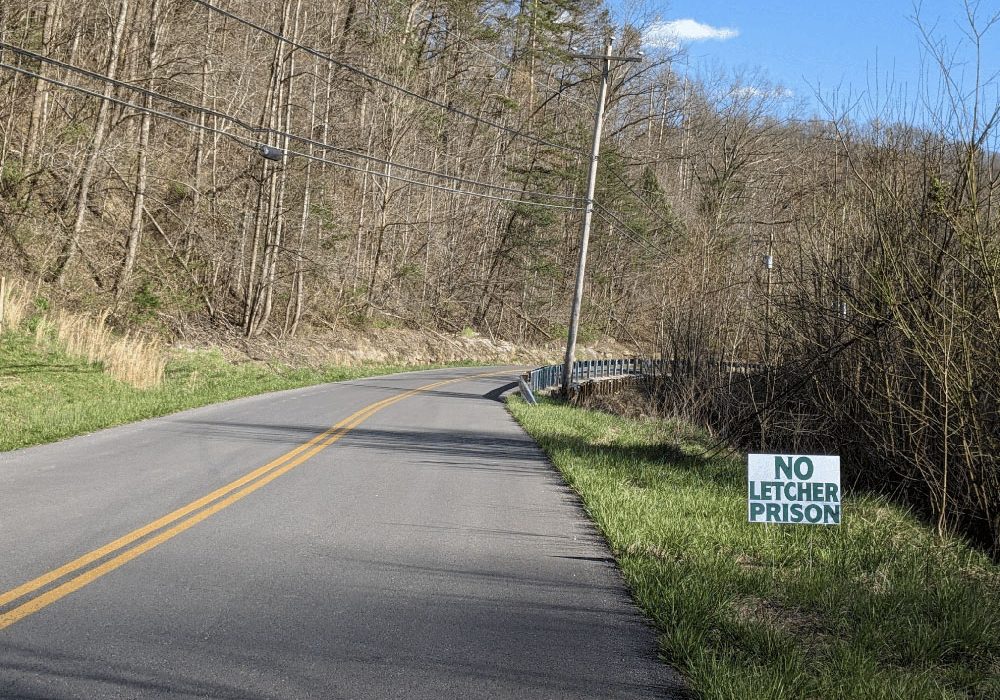
A $605 million proposal for a federal prison on a former strip mine site in Letcher County, Kentucky, championed by U.S. Rep. Hal Rogers, refuses to die, despite local opposition, a lack of support from the executive branch and numerous other obstacles.

Leave a comment
Your email address will not be published. Required fields are marked *
Leave a Comment