
Cleaning Up Coal Ash

For well over a century, power plants across the country have burned coal to generate electricity. And for just as long, leftover coal ash has been dumped in open, unlined pits near the power plant, usually located on a river or lake. Every year, U.S. power plants produce 130 million tons of coal ash, which is the second largest waste stream in the country after municipal garbage.
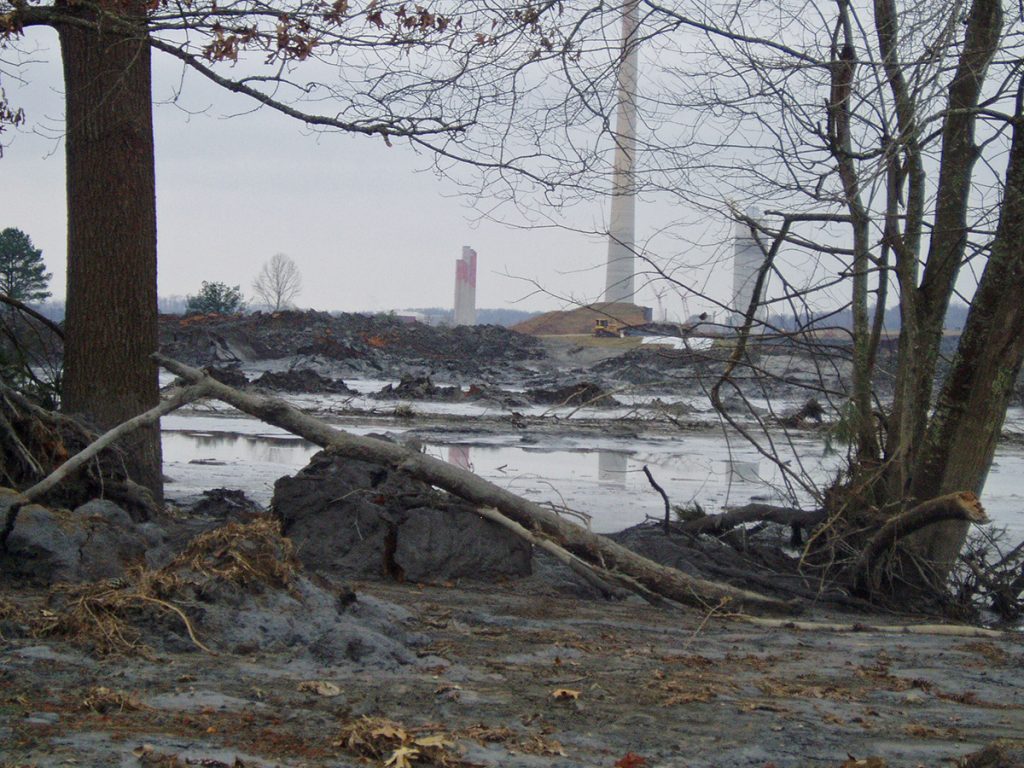
Coal ash concentrates the toxic heavy metals found in coal, including arsenic, mercury, lead and selenium. Stored in unlined, wet impoundments, coal ash has been leaking these toxics into our groundwater and surface waters for years. Sometimes these impoundments collapse — with disastrous results.
Yet government regulations for coal ash management are either non-existent or sparse, and there is little enforcement of the regulations that do exist. In North Carolina, this lack of oversight — and the complicity between state regulators, elected officials and Duke Energy — came to a boiling point in February 2014 when one of Duke’s coal ash impoundments spilled 39 million tons of ash into the Dan River.

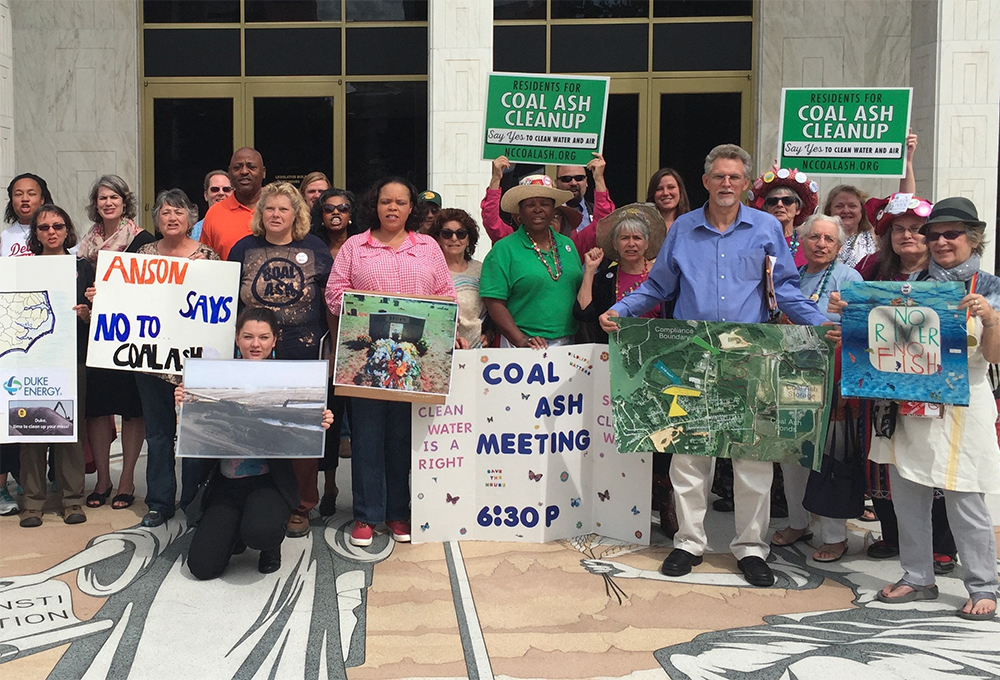
Citizens living near North Carolina’s 33 coal ash impoundments — all of which have leaked — have fought for transparency from Duke and the state, and for cleanup of the pollution that threatens their property value, health and family. Their actions forced this issue into the headlines of news networks and to the forefront of environmental justice conversations in the United States.
Appalachian Voices stood with these communities as we worked for years to compel Duke Energy and the N.C. Department of Environmental Quality to excavate coal ash from all the North Carolina sites and dispose of it either in lined, dry landfills, away from waterways, or by recycling it for concrete or other uses, provided it’s done in a manner that protects public health and the environment.
On Jan. 2, 2020, North Carolina announced a historic settlement with one of the state’s most powerful corporations and polluters, Duke Energy. The settlement requires Duke to move nearly 80 million tons of toxic coal ash at six of its power plants to properly lined landfills onsite or recycle it.

Latest News
Trump Administration Rolls Back More Environmental Protections
President Donald Trump’s administration has made numerous cuts to environmental protections including those for methane emissions, protected waters, light bulb standards, and coal ash storage.

TVA Refuses to Excavate One Coal Ash Pit, Will Dig Up Another
The Tennessee Valley Authority does not plan to excavate coal ash at their Bull Run Fossil plant in Anderson County, Tenn., unlike the utility’s agreement to fully remove coal ash at the Gallatin Fossil Plant near Nashville, Tenn.

Energy Justice coalition reveals “pay-to-play” ties between Duke Energy, N.C. lawmakers
The Energy Justice North Carolina Coalition released a…
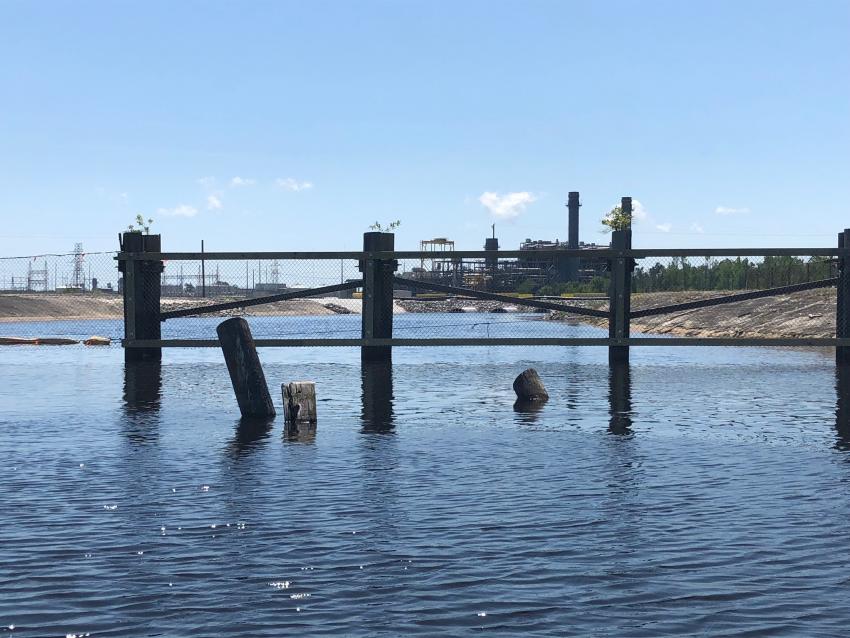
As Duke Energy contests cleanup, new evidence points to coal ash risks
As Duke Energy appeals the state of North Carolina’s coal ash cleanup order, new information points to the severity of the problem and why coal ash excavation is needed.

TVA Faces Criticism Over Coal Ash, Transparency
The Tennessee Valley Authority and its contractor Jacobs Engineering are facing a new lawsuit regarding their cleanup of the 2008 Kingston coal ash spill. Additionally, state and federal lawmakers are backing a U.S. House bill that would require more transparency from the monopoly utility.

North Carolina Orders Coal Ash Cleanup, Duke Appeals
North Carolina ordered Duke Energy to fully excavate the coal ash at its six remaining coal ash sites across the state, prompting an appeal from the monopoly utility.