
Cleaning Up Coal Ash

For well over a century, power plants across the country have burned coal to generate electricity. And for just as long, leftover coal ash has been dumped in open, unlined pits near the power plant, usually located on a river or lake. Every year, U.S. power plants produce 130 million tons of coal ash, which is the second largest waste stream in the country after municipal garbage.
Coal ash concentrates the toxic heavy metals found in coal, including arsenic, mercury, lead and selenium. Stored in unlined, wet impoundments, coal ash has been leaking these toxics into our groundwater and surface waters for years. Sometimes these impoundments collapse — with disastrous results.
Yet government regulations for coal ash management are either non-existent or sparse, and there is little enforcement of the regulations that do exist. In North Carolina, this lack of oversight — and the complicity between state regulators, elected officials and Duke Energy — came to a boiling point in February 2014 when one of Duke’s coal ash impoundments spilled 39 million tons of ash into the Dan River.

Citizens living near North Carolina’s 33 coal ash impoundments — all of which have leaked — have fought for transparency from Duke and the state, and for cleanup of the pollution that threatens their property value, health and family. Their actions forced this issue into the headlines of news networks and to the forefront of environmental justice conversations in the United States.
Appalachian Voices stood with these communities as we worked for years to compel Duke Energy and the N.C. Department of Environmental Quality to excavate coal ash from all the North Carolina sites and dispose of it either in lined, dry landfills, away from waterways, or by recycling it for concrete or other uses, provided it’s done in a manner that protects public health and the environment.
On Jan. 2, 2020, North Carolina announced a historic settlement with one of the state’s most powerful corporations and polluters, Duke Energy. The settlement requires Duke to move nearly 80 million tons of toxic coal ash at six of its power plants to properly lined landfills onsite or recycle it.

Latest News
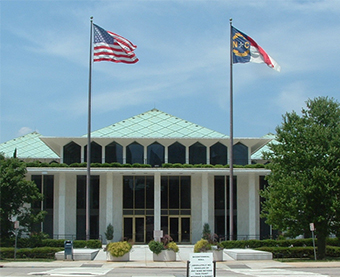
Trouble is afoot in NC special session
After days of deflecting questions and refusing to explain their priorities for the “emergency session,” Republicans introduced a slew of bills that would make sweeping changes and dramatically shift the balance of power away from the governor. Take action to stop this blatant abuse of power.

Coal Ash Cleanup News in North Carolina and Georgia
Across the Southeast, communities near coal ash impoundments continue to face challenges in getting these facilities cleaned up.
Coal Ash Water Pollution Permit Disputed
On Nov. 15, Appalachian Voices’ North Carolina team attended a wastewater permit hearing for the Belews Creek Steam Station to help local community members push for stricter water pollution requirements.
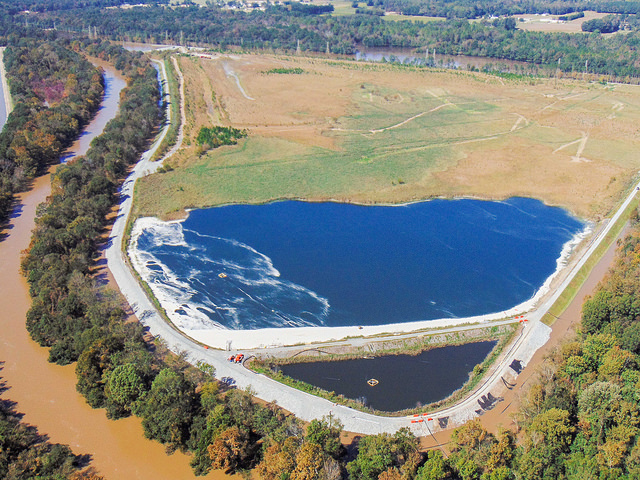
Hurricane Matthew flooding elevates coal ash concerns
Earlier this month, North Carolina was devastated by the impacts of Hurricane Matthew. Flooding occurred across much of the state, with the hardest impacts felt in the east and among communities that are least able to bounce back from such a catastrophic event. While the flood waters are still receding, we are learning about the impacts left in their wake.
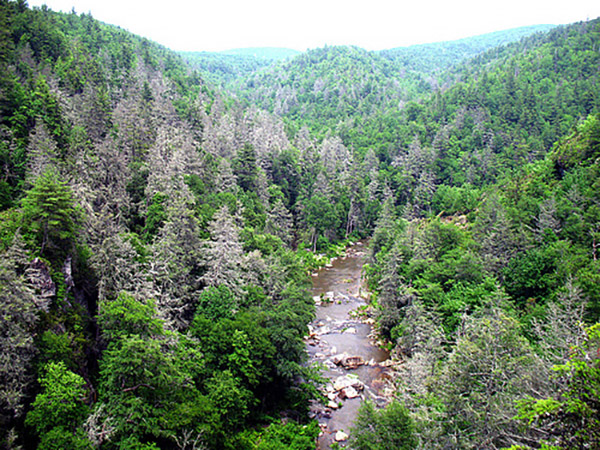
Across the Years: Updates from the Archives
In honor of our 20th anniversary, we looked through The Appalachian Voice archives to identify important topics that we’ve covered over the years and provide updates on where these issues stand today.
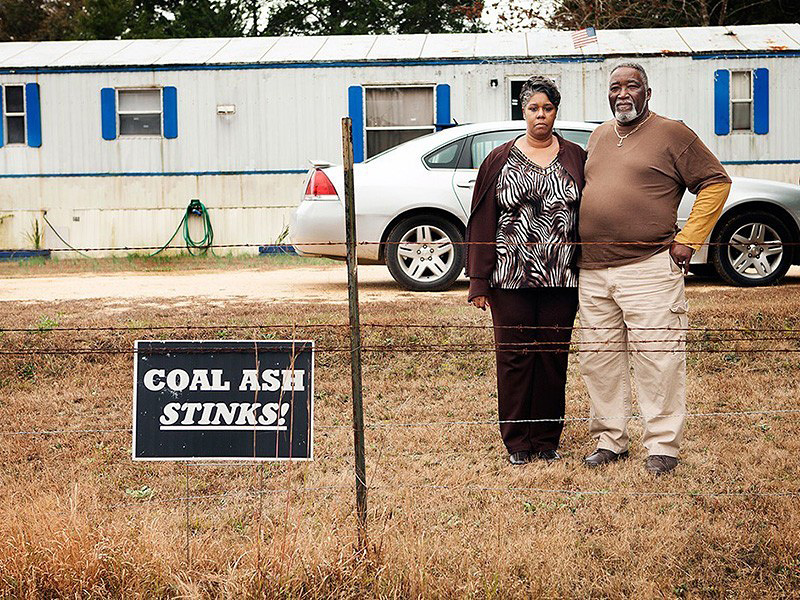
Cleaning Up A Mess: Coal Ash Across Appalachia
Appalachian states are burdened by millions of tons of toxic coal ash. Without firm federal standards, it’s up to states to determine much of the cleanup process — and regional states are taking varying approaches.