
Cleaning Up Coal Ash

For well over a century, power plants across the country have burned coal to generate electricity. And for just as long, leftover coal ash has been dumped in open, unlined pits near the power plant, usually located on a river or lake. Every year, U.S. power plants produce 130 million tons of coal ash, which is the second largest waste stream in the country after municipal garbage.
Coal ash concentrates the toxic heavy metals found in coal, including arsenic, mercury, lead and selenium. Stored in unlined, wet impoundments, coal ash has been leaking these toxics into our groundwater and surface waters for years. Sometimes these impoundments collapse — with disastrous results.
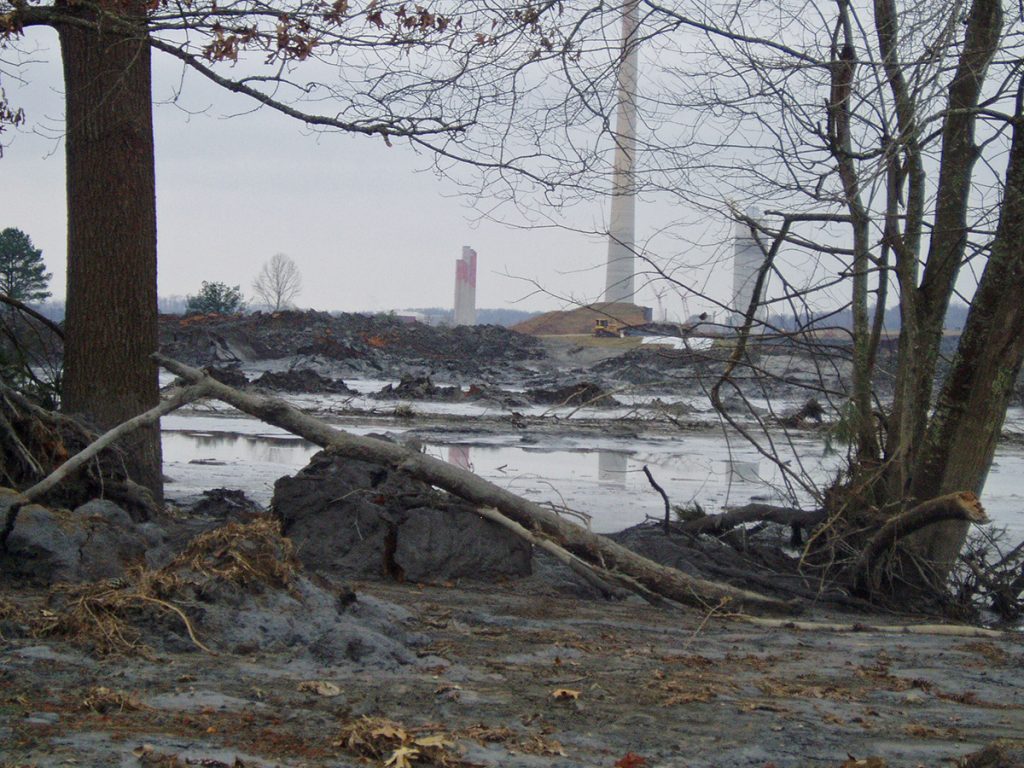
Yet government regulations for coal ash management are either non-existent or sparse, and there is little enforcement of the regulations that do exist. In North Carolina, this lack of oversight — and the complicity between state regulators, elected officials and Duke Energy — came to a boiling point in February 2014 when one of Duke’s coal ash impoundments spilled 39 million tons of ash into the Dan River.

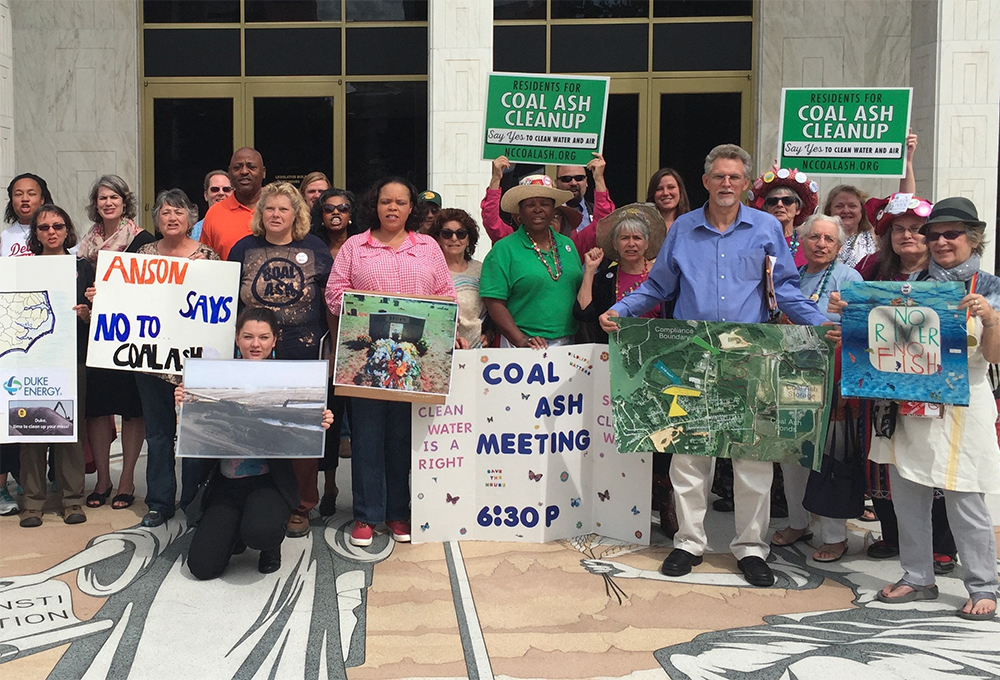
Citizens living near North Carolina’s 33 coal ash impoundments — all of which have leaked — have fought for transparency from Duke and the state, and for cleanup of the pollution that threatens their property value, health and family. Their actions forced this issue into the headlines of news networks and to the forefront of environmental justice conversations in the United States.
Appalachian Voices stood with these communities as we worked for years to compel Duke Energy and the N.C. Department of Environmental Quality to excavate coal ash from all the North Carolina sites and dispose of it either in lined, dry landfills, away from waterways, or by recycling it for concrete or other uses, provided it’s done in a manner that protects public health and the environment.
On Jan. 2, 2020, North Carolina announced a historic settlement with one of the state’s most powerful corporations and polluters, Duke Energy. The settlement requires Duke to move nearly 80 million tons of toxic coal ash at six of its power plants to properly lined landfills onsite or recycle it.

Latest News
Duke expands coal ash cleanup, but leaves N.C. communities in danger
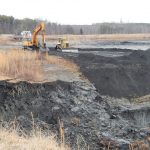 Duke Energy announced it plans to excavate coal ash from ponds at three power plant sites in North Carolina, along with two more at its South Carolina facilities. But the fates of several sites that pose significant threats to drinking water and surrounding communities remain unclear.

Residents Near Duke Ash Ponds Told To Not Drink Their Water
Across North Carolina, residents living near Duke Energy’s coal ash ponds have received letters warning them not to drink their well water. Although Duke denies responsibility for the contamination, the utility recently plead guilty to violations of the Clean Water Act in a separate case.

Keep the Clean Water Act going strong
Last week, the U.S. Environmental Protection Agency ended a decade of confusion with the release of a long-awaited Clean Water Rule, which clarifies the scope of waters that are protected under the Clean Water Act. As the EPA pursues updates to the “effluent limitation guidelines,” we hope the Obama administration ready to continue the trend of strengthening and modernizing the Clean Water Act.
Solidarity in the Tar Heel State
 The communities near Duke Energy’s Belews Creek power plant and coal-ash dump in North Carolina have suffered a long time from water pollution. Now the state is poised to allow the natural gas industry to drill fracking wells nearby. Citizens are saying “enough.” The NAACP announced a civil rights investigation at a recent press conference and took its protest to the state capitol at a “Moral Monday” rally. Appalachian Voices is standing in solidarity with these champions for environmental justice.
Duke Energy to close aging Asheville coal plant
 Duke Energy announced plans today to retire its polluting, uneconomical Asheville coal plant and build a natural gas-fired facility in its place. While the news should be celebrated as progress, it also represents another precarious step along a dangerous road that will prolong our region’s over-reliance on fossil fuels and saddle consumers with long-lived investments in natural gas.
Don’t drink the water
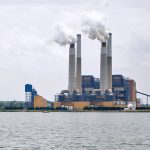
As part of coal ash law enacted in North Carolina last year, Duke Energy is required to test the well water of residents living within 1000 feet of the massive coal ash ponds that dot the state. Now, the first round of water testing results are coming back, giving residents and regulators a clear picture of just how widespread the problem is.