
Cleaning Up Coal Ash

For well over a century, power plants across the country have burned coal to generate electricity. And for just as long, leftover coal ash has been dumped in open, unlined pits near the power plant, usually located on a river or lake. Every year, U.S. power plants produce 130 million tons of coal ash, which is the second largest waste stream in the country after municipal garbage.
Coal ash concentrates the toxic heavy metals found in coal, including arsenic, mercury, lead and selenium. Stored in unlined, wet impoundments, coal ash has been leaking these toxics into our groundwater and surface waters for years. Sometimes these impoundments collapse — with disastrous results.
Yet government regulations for coal ash management are either non-existent or sparse, and there is little enforcement of the regulations that do exist. In North Carolina, this lack of oversight — and the complicity between state regulators, elected officials and Duke Energy — came to a boiling point in February 2014 when one of Duke’s coal ash impoundments spilled 39 million tons of ash into the Dan River.

Citizens living near North Carolina’s 33 coal ash impoundments — all of which have leaked — have fought for transparency from Duke and the state, and for cleanup of the pollution that threatens their property value, health and family. Their actions forced this issue into the headlines of news networks and to the forefront of environmental justice conversations in the United States.
Appalachian Voices stood with these communities as we worked for years to compel Duke Energy and the N.C. Department of Environmental Quality to excavate coal ash from all the North Carolina sites and dispose of it either in lined, dry landfills, away from waterways, or by recycling it for concrete or other uses, provided it’s done in a manner that protects public health and the environment.
On Jan. 2, 2020, North Carolina announced a historic settlement with one of the state’s most powerful corporations and polluters, Duke Energy. The settlement requires Duke to move nearly 80 million tons of toxic coal ash at six of its power plants to properly lined landfills onsite or recycle it.

Latest News
Duke Energy Faces Historic Fines for Coal Ash Pollution
Duke Energy has agreed to pay $102 million for federal criminal charges stemming from violations of the Clean Water Act at five of its 14 coal ash sites in North Carolina.
Virginia environmental chief supporting weaker coal ash rule
Contact: Amy Adams, N.C. Campaign Coordinator, 828-262-1500, [email protected]…
Permits and Payments: Will Duke Energy ever stop polluting?
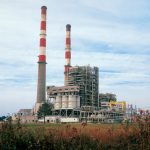 On Tuesday, DENR announced a historic $25.1 million fine for coal ash pollution at Duke Energy’s Sutton power plant. The agency also recently released updated permit drafts for coal ash ponds at other sites, proposed to “better protect water quality near coal ash ponds until closure plans are approved.” Though permitting the pollution will lead to better monitoring, it does nothing to stop or even stymie the toxic discharges.
Apologies for the Dan River spill, guilt for coal ash crimes
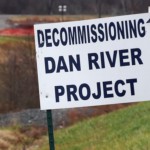 Duke Energy likes to use a tagline about how, for more than 100 years, it has provided affordable, reliable electricity to its customers “at the flip of a switch.” But a year after the Dan River spill, Duke seems to accept that coal ash pollution has its own chapter in the company’s corporate story. Now, facing federal criminal charges, Duke will pay for its crimes.
Criminal charges filed against Duke Energy
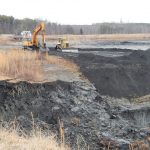 The U.S. Department of Justice has filed criminal charges against Duke Energy for violating the federal Clean Water Act at coal ash sites across North Carolina. The company announced today that it has reached a plea agreement with federal prosecutors to resolve the charges that includes $102.2 million for fines and mitigation.
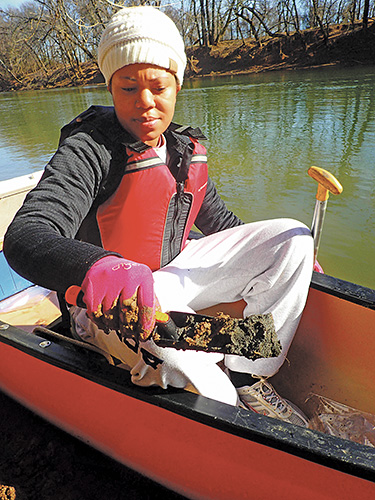
Coal Ash Management
The first federal regulations governing the disposal of toxic coal ash passed in December 2014. The rule provides some safeguards, but environmental advocates aren’t reassured. And in North Carolina, more than a year after the Dan River coal ash spill, communities living near the waste are still concerned about the pollution’s effects.