

Healing the Red River’s Tributaries
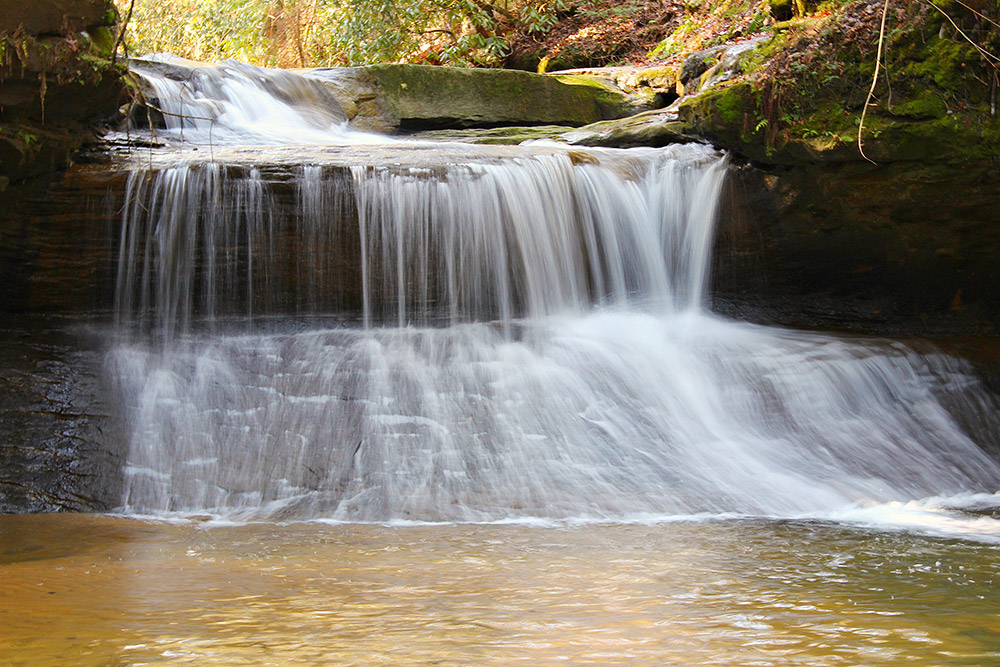
The Red River’s Wild & Scenic designation offers special protections to places like Creation Falls. Photo by Karen Roussel
By Dac Collins
The Red River in eastern Kentucky forms one of the most spectacular gorges in the country. Its sandstone arches, cliffs and unique rock formations lure climbers and fascinate geologists, and many of its rock shelters and caves are classified as significant archeological sites. A dam proposal in the late 1960s would have swallowed up the gorge, but Kentuckians, with help from the Sierra Club and writer-activist Wendell Berry, grappled with the U.S. Army Corps of Engineers until the Red was granted federal protection in 1993 under the Wild and Scenic Rivers Act.
The Wild and Scenic designation applies to the stretch of river that passes through the gorge, but it does not protect the entire Red River watershed from human impacts. That is why members of the Kentucky Waterways Alliance, an environmental nonprofit, collaborated with the state’s Division of Water and the U.S. Forest Service to create the Red River Gorge Restoration and Watershed Plan, which addresses potential threats to the water quality of four creeks that flow into the iconic river. These threats include high levels of sediment resulting from road construction, and contaminated runoff from residential areas.
Because portions of these tributaries are located on private property, the watershed plan recommends “best management practices” that property owners can implement in order to reduce the amount of polluted runoff. Maintaining a riparian buffer of streamside vegetation, which prevents bank erosion, is just one solution that private landowners can choose to implement.
Tessa Eedlen, watershed program director at the Kentucky Waterways Alliance, says, “We’re also going to be focusing on septic systems, [including] repair, pump outs and, if necessary, replacement.” According to Eedlen, this is a major issue along Swift Camp Creek, where many homeowners are using old or defective pipes that leak sewage into the stream.
The nonprofit organization has secured an implementation grant from the Kentucky Division of Water, which Eedlen hopes to use to create financial incentive programs for homeowners. The grant money will fund other stream restoration projects as well, such as the removal of two culverts on Indian Creek that are currently impeding the passage of fish.
The Kentucky Waterways Alliance will be hosting creek cleanups and streamside tree plantings this fall. Visit their website to get involved: kwalliance.org/red-river-watershed
Related Articles
Latest News
More Stories

Halloween Approaches, and Night School Is in Session
The House of Art in Bluefield, West Virginia, looks like a haunted tower, making it the perfect location for its sixth annual haunt event: Night School. The Night School will be open every Friday and Saturday night through Oct. 31.
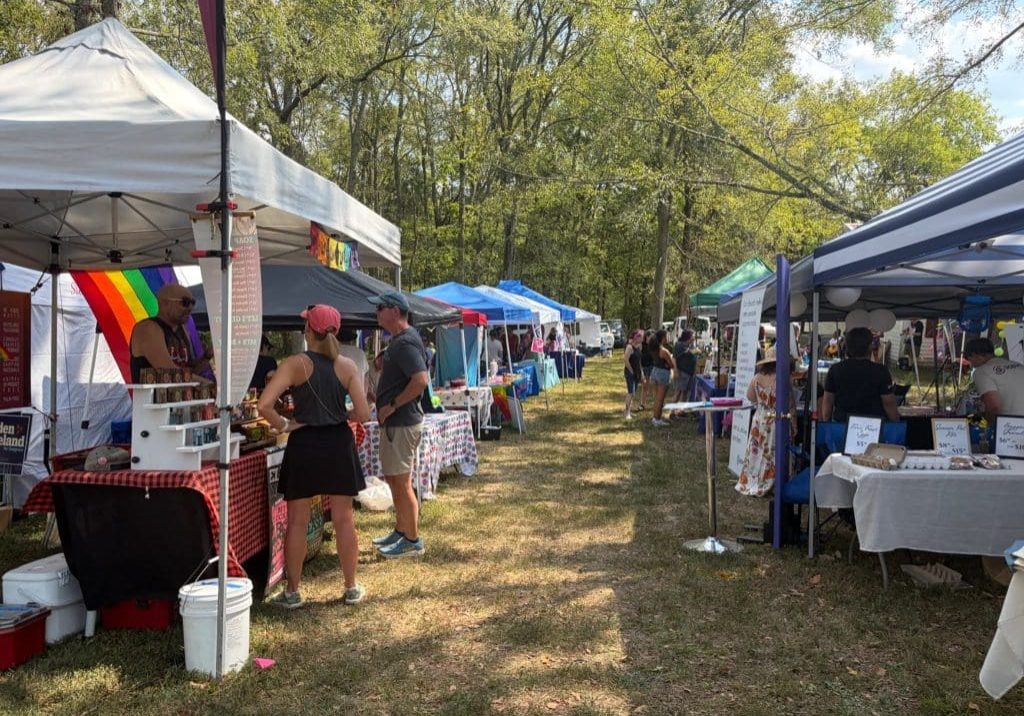
‘The Most Perfect Act of Love’
After losing its rural pride celebration, hundreds of people attended the second annual Affirming Sumner Pride celebration on a 24-acre farm dubbed “Fruity Farm” in Bethpage, Sumner County, Tennessee.

Signs of Life
In the Nantahala National Forest, a team of biologists spotted Indiana bats, an endangered species that hasn’t been seen in North Carolina for the last 11 years.

‘First Line of Defense’
During Hurricane Helene and its aftermath, rural fire departments and other first responder hubs played critical roles in keeping their communities safe, even without power and cut off from outside support for days or weeks after the storm. Two years later, plenty of work remains to ensure these hubs have the resources they need to operate day to day and be ready when emergencies or natural disasters strike.

The Rocky Road — and Bridge — to Recovery
Hurricane Helene is estimated to have damaged nearly 7,000 private roads and bridges in Western North Carolina. Two years later, many restoration projects are complete, but the journey hasn’t been easy — and isn’t over for others.
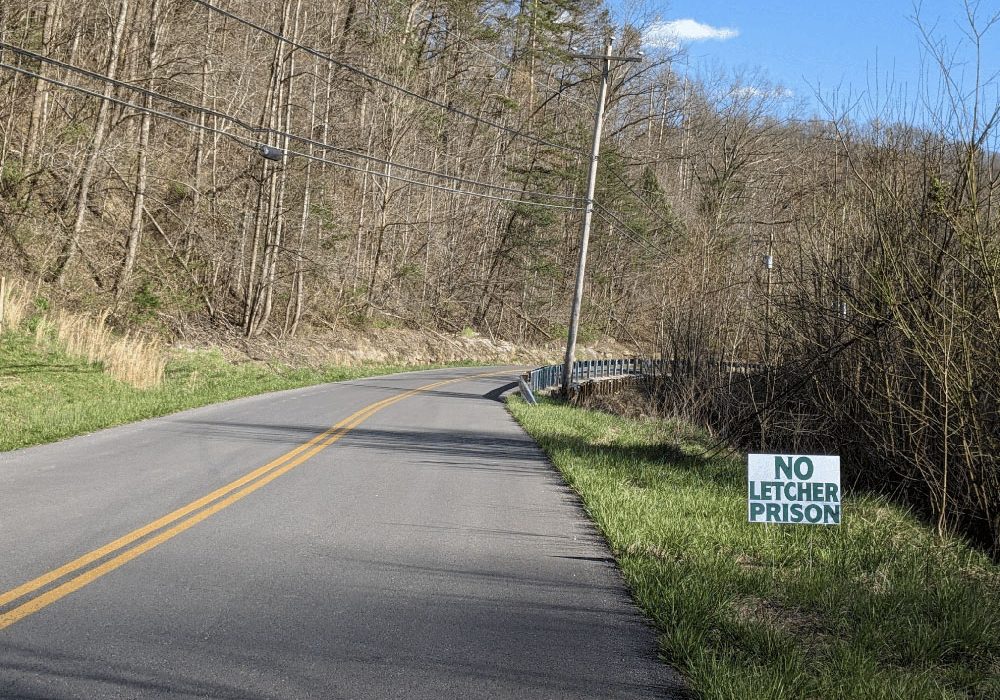
After 20 Years, Letcher County Prison Proposal Is Still Alive, Though Obstacles Remain
A $605 million proposal for a federal prison on a former strip mine site in Letcher County, Kentucky, championed by U.S. Rep. Hal Rogers, refuses to die, despite local opposition, a lack of support from the executive branch and numerous other obstacles.

Leave a comment
Your email address will not be published. Required fields are marked *
Leave a Comment