

By Julie Johnson
Duke Energy customers and concerned citizens are challenging the North Carolina electric utilities provider over a proposed 18 percent rate increase.
The utility provider is proposing a 13.5 percent increase for residential consumers to support the projected $1.8 billion costs of an 825 megawatt upgrade to the coal-fired Cliffside Steam Station in Rutherford County, N.C.
Added to the initial 13.5 percent will be another 4.5 percent to cover the rising cost of coal.
Duke Energy says that the current rate is “not sufficient to meet day-to-day expenses, build cleaner and more reliable energy
infrastructure, provide a fair return to our investors, and maintain a strong financial position.”
Since its inception, environmental groups have challenged the Cliffside plant. A 2007 air-quality permit issued by the state was overturned a month after construction began. Environmental groups, led by the Southern Alliance for Clean Energy, found that the permit violated the Clean Air Act because it did not allow for testing the station’s equipment for controlling mercury emissions. However, Duke was allowed to continue construction while the company sought and was eventually granted the necessary permit from the state.
If the rate increase is permitted, it will go into effect in January 2010. The North Carolina Utilities Commission is holding regional public hearings for citizens to voice their opinions. At the Sept. 17th hearing in Marion, N.C., Duke Energy customers and concerned citizens expressed their objections to the increase and to the Cliffside construction project.
The McDowell County school board voted unanimously to reject the rate increase. A proposed 11.2 percent rate increase for government agencies would cost the school system an additional $89,000 for the 2010 school year, an amount McDowell says it cannot fund. A representative for the Board of Education told the Utilities Commission that it was “an increase the school system, barely able to afford text books, cannot bear.”
J. Robert Boyette, City Manager of Marion, N.C., told the Utilities Commission that a proposed 16.7 percent increase in municipal outdoor lighting would impose an extra $44,000 to the already struggling city’s fiscal burden. Boyette asked on behalf of the city that the rate increase be denied.
Numerous citizens expressed their environmental concerns to the Utilities Commission. Many speakers at the hearing opposed the continued construction of the Cliffside Steam Station and the use of coal-fired energy. Dr. Lewis Patrie of the group Physicians for Social Responsibility said “many experts have concluded that we will be able to meet our future energy demands without building new coal-fired plants,” and asked for the sake of public health and the environment that Cliffside construction be halted. Lee Taylor, a Marion attorney, asked “Is it mandated that because Duke has a monopoly, consumers are asked to shoulder the burden of fulfilling their rate of return?”
On Oct. 19th, the Utility Commission will hold a hearing in Raleigh, N.C., to make the final decision on whether or not to allow the increase.
Related Articles
Latest News
More Stories

Signs of Life
In the Nantahala National Forest, a team of biologists spotted Indiana bats, an endangered species that hasn’t been seen in North Carolina for the last 11 years.

‘First Line of Defense’
During Hurricane Helene and its aftermath, rural fire departments and other first responder hubs played critical roles in keeping their communities safe, even without power and cut off from outside support for days or weeks after the storm. Two years later, plenty of work remains to ensure these hubs have the resources they need to operate day to day and be ready when emergencies or natural disasters strike.

The Rocky Road — and Bridge — to Recovery
Hurricane Helene is estimated to have damaged nearly 7,000 private roads and bridges in Western North Carolina. Two years later, many restoration projects are complete, but the journey hasn’t been easy — and isn’t over for others.
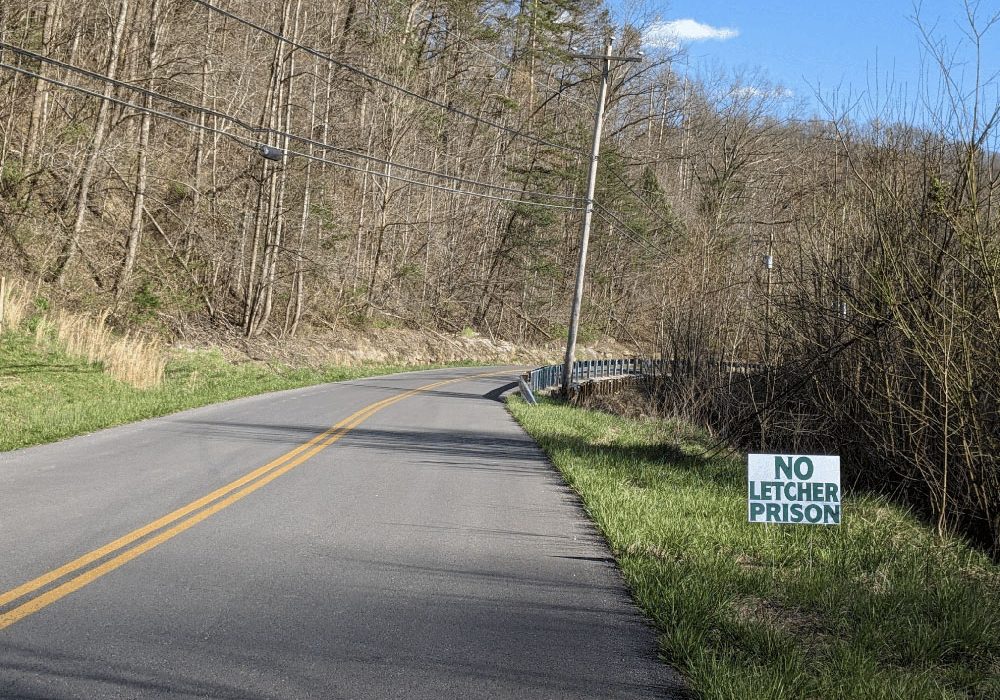
After 20 Years, Letcher County Prison Proposal Is Still Alive, Though Obstacles Remain
A $605 million proposal for a federal prison on a former strip mine site in Letcher County, Kentucky, championed by U.S. Rep. Hal Rogers, refuses to die, despite local opposition, a lack of support from the executive branch and numerous other obstacles.
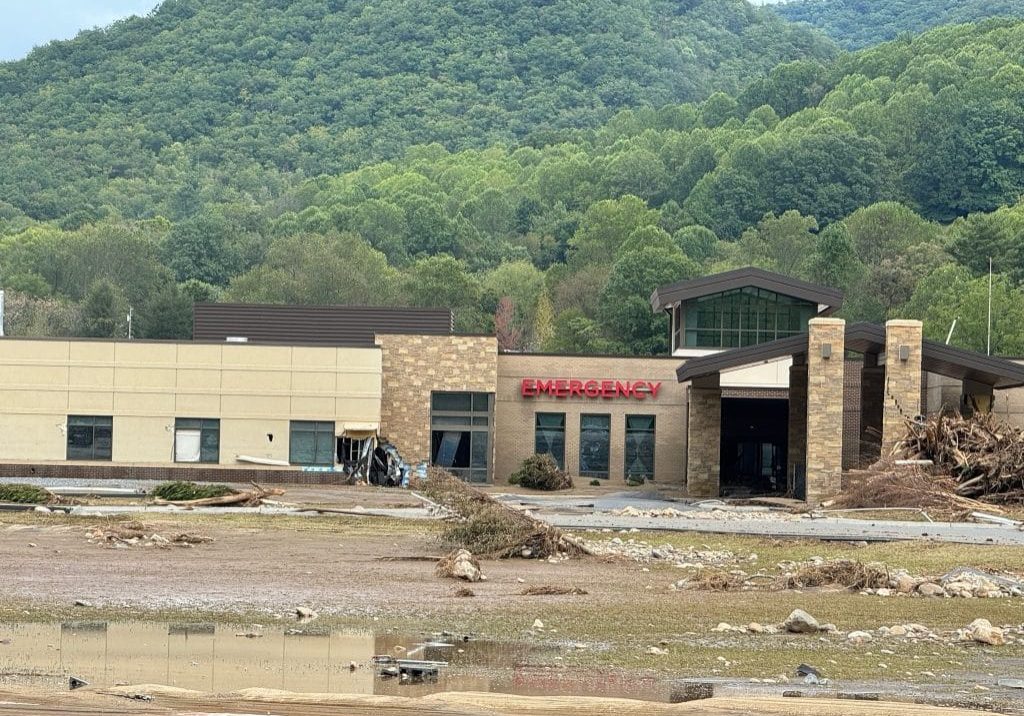
The Washout and Rebuild
For nearly two years, residents of Unicoi County, Tennessee, have had to make do without a hospital after Hurricane Helene destroyed the rural hospital. Ballad Health, which owns the hospital, broke ground on a new location — in another floodplain — in August 2026.

The Shenandoah Salamander
The Shenandoah salamander is a woodland salamander, which has adapted to life at higher elevations away from water. This sparkling rarity lives among the dry leaves, cracked logs, and stony hillocks on the highest peaks of Shenandoah National Park.

Leave a comment
Your email address will not be published. Required fields are marked *
Leave a Comment