
Posts Tagged ‘West Virginia’
Forty Minutes from Fresh Water
By S. Rhodes My community is partially in Putnam and partially in Cabell County. I have many elderly neighbors, and yes, there are also children and handicapped individuals that need access to clean water. Water distribution in this area was cut off on Jan. 18. I own a small business that I run out of…
Read MoreCitizen Stories On January 9, 2014, a chemical called MCHM leaked into the water supply of 300,000 West Virginia residents, causing a crisis unlike anything that America has dealt with before. These are stories of the affected as well as those of folks trying to help. Forty Minutes From Fresh Water “The smell alone, with…
Read MorePatriot Coal CEO: Ending Mountaintop Removal Mining a “Win-Win”
After emerging from bankruptcy, Patriot Coal CEO Bennett Hatfield said in an interview with SNL Energy that the 2012 settlement over selenium pollution that forced the company to begin phasing out mountaintop removal proved to be a “win-win.” Even before the settlement, Hatfield said, Patriot was finding it “increasingly undesirable to deploy mountaintop removal operations…
Read MoreUnaddressed Concerns Keep Fracking in the Forefront
By Brian Sewell Nationwide, stories regarding natural gas-related water contamination, waste disposal and property rights concerns keep bubbling up, bolstering arguments used by opponents of fracking. And as natural gas prices rise due to cold weather and a slowdown in drilling, the fuel’s supporters are questioning how long claims of affordability will last. Increased demand…
Read MoreMountaintop Removal Masquerade
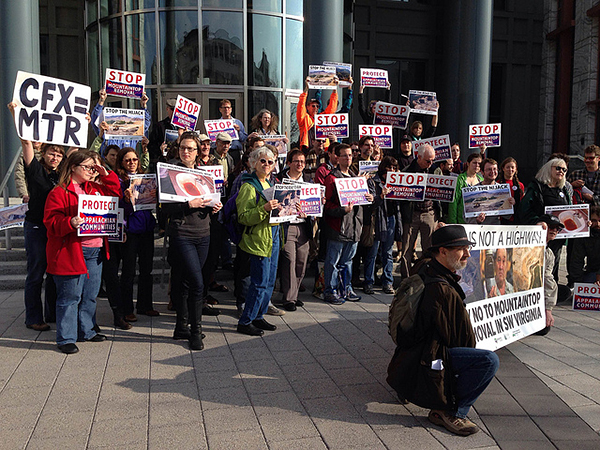
Opponents of Proposed Surface Mine Highway Push for Environmental Review By Molly Moore Tim Mullins recalls what Pound, Va., was like in the 1970s — nestled in the commonwealth’s mountainous southwestern corner, it was a town of crowded sidewalks, ample schools and nary a parking spot to be found. Today, formerly bustling businesses are dilapidated…
Read MoreUncertainty Upstream
Appalachian Water Watch Responds to the Spill By Erin Savage, Water Quality Specialist for Appalachian Voices When I first heard about the chemical spill in Charleston, W.Va., on the morning of Jan. 9, I emailed the rest of the Appalachian Voices staff and immediately started packing an overnight bag. While I didn’t exactly know what…
Read MoreAdam Hall: A Defender of West Virginia
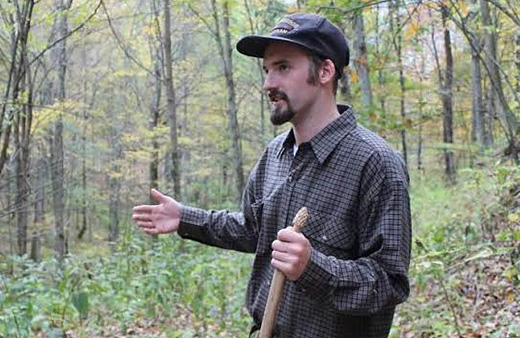
By Kimber Ray Depressed towns and waters laced with toxic chemicals have been handed down to West Virginia in the wake of mountaintop removal coal mining, yet many in the community leave these grievances unspoken. Adam Hall, the son of a strip miner in Glen Daniel, W.Va., was once among those who were voiceless on…
Read MoreA Call For Justice: The People’s Pastoral
By Kimber Ray The collective voice of the world rises up — from the people of Appalachia’s hills and hollers, from the rich diversity of global communities, and from the air, water and land of Earth itself. The Catholic Committee of Appalachia and Jeannie Kirkhope, administrative director of the CCA, hope to gather this call…
Read MoreSnowshoeing Canaan Valley’s Winter Wonderland
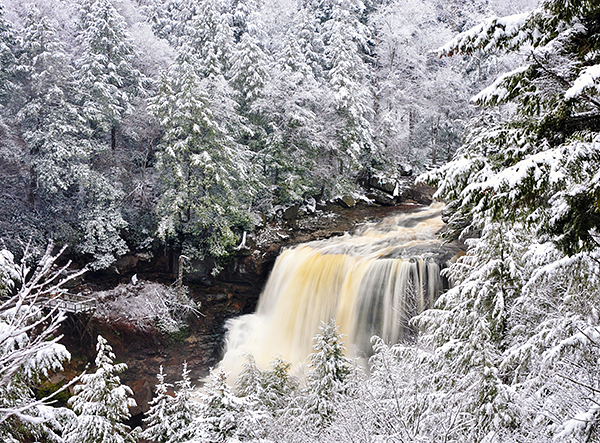
By Molly Moore When fresh snow muffles the sounds of scurrying squirrels and creaking twigs, the winter woods offer a serenity that’s different from the rustling, lively forests of spring, summer and fall. But the deep snow that can make a frosty trail so bewitching can also creep over the tops of otherwise sturdy boots,…
Read MoreOSM Investigates WV Mining Law Enforcement
By Brian Sewell The federal Office of Surface Mining Reclamation and Enforcement announced on Dec. 30 that it will investigate West Virginia’s surface coal mining regulatory program. The announcement comes six months after the Citizen Action for Real Enforcement campaign — a coalition of 18 state and national organizations — held a press conference and…
Read More