

By Meredith Warfield
Black walnut trees are dying in Morgan and Rhea counties of eastern Tennessee. The culprit, according to a Tennessee Department of Agriculture announcement made this November, is Thousand Cankers Disease.
The disease is a recent phenomenon in the East, but has been wreaking havoc in the western United States for the past decade. Experts say the perpetrating fungus, Geosmithia, is transmitted to black walnuts by the walnut twig beetle. As the fungus spreads throughout the tree, the leaves turn yellow and the branches become stunted. The fungus has likely entered eastern states through transportation of untreated black walnut wood.
In an attempt to prevent the disease from spreading, Morgan and Rhea counties have been placed under a quarantine that prohibits residents from transporting walnut products and hardwood firewood outside of county lines. Surrounding counties are considered buffer zones to the afflicted area and have also been placed under firewood transport restrictions.
The Division of Forestry estimates that 1.38 million black walnut trees in urban areas could be affected if the disease is not contained. Although there are currently no effective treatments, scientists are studying the disease and officials encourage residents to report signs of the fungus outside of the infected area.
West Virginia National Heritage Areas Proposed
By Kimber Ray
Legislation to support National Heritage Areas in West Virginia and western Maryland was introduced to Congress on Nov. 4 by Sen. Jay Rockefeller, D-W.Va. The bill would renew funding for the Coal and Wheeling National Heritage Areas — both in West Virginia — and enact a NHA designation for the Appalachian Forest Heritage Area, which crosses into two Maryland counties.
Congress designates these areas in order to preserve unique resources and landscapes through a public-private partnership. Although National Heritage Areas are not federal lands, the National Park Service provides an amount of technical, planning and financial support.
In a press release, Rockefeller emphasized the importance of the proposal. “Tourism is such an important part of West Virginia’s economy, creating jobs and enriching people’s lives,” Rockefeller said. “These historic, cultural and natural treasures need to be preserved for … future generations of West Virginians.”
The bill is currently under review by the Senate Energy and Natural Resource committee.
Geared up for the High Country Bike Plan
Long-term plans are underway to establish new cycling routes in the seven mountain counties of northwestern North Carolina. The High Country Council of Governments — a regional development agency — initially proposed the High Country Regional Bike Plan in July 2011. Public comments on the plan were taken in October, with final approval pending a vote from each county.
The plan calls for bicycle lanes to be added whenever highway improvements such as widening or resurfacing are scheduled, and also seeks to improve education on bicycle safety and traffic laws.
Fracking Possible in George Washington National Forest
Under continued pressure from the oil and gas industry, the U.S. Forest Service announced in October that they may reconsider their 2011 recommendation against horizontal drilling — also known as fracking — in the George Washington National Forest of Virginia and West Virginia.
Government and local officials have united with concerned citizens to urge the Forest Service to prohibit fracking in the forest, which is the source of drinking water for more than nine million people. A final decision by the Forest Service is not expected until next year.
Related Articles
Latest News
More Stories
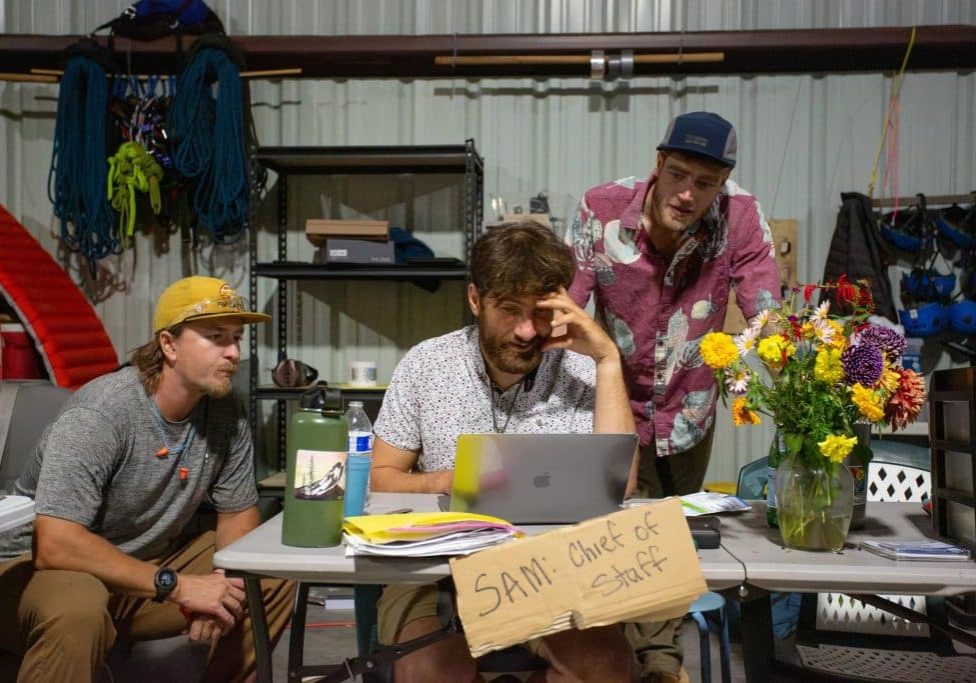
Neighbors Help Neighbors
A photo essay that celebrates the volunteer spirit of the grassroots group Hurricane Helene WNC and speaks to the resourcefulness, collaboration and hard work embodied by thousands and thousands of volunteers, first responders and aid workers across the region after Hurricane Helene.

Halloween Approaches, and Night School Is in Session
The House of Art in Bluefield, West Virginia, looks like a haunted tower, making it the perfect location for its sixth annual haunt event: Night School. The Night School will be open every Friday and Saturday night through Oct. 31.
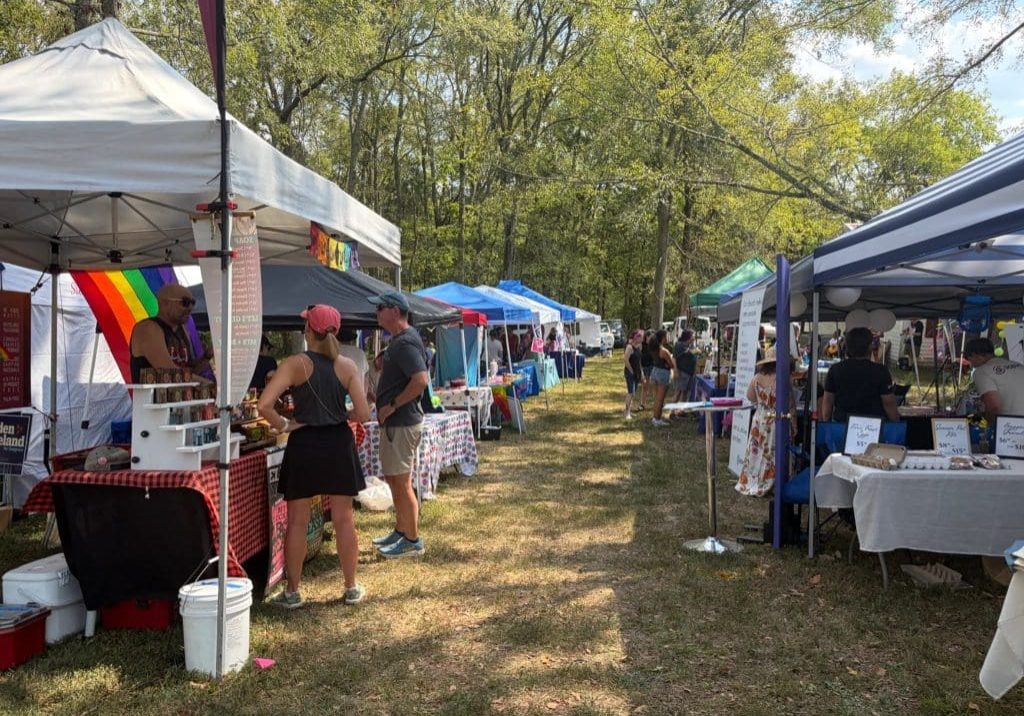
‘The Most Perfect Act of Love’
Hundreds of people attended the second annual Affirming Sumner Pride celebration on a 24-acre farm dubbed “Fruity Farm” in Bethpage, Sumner County, Tennessee.

Signs of Life: Endangered Bats Found in Nantahala for First Time in More Than a Decade
In the Nantahala National Forest, a team of biologists spotted Indiana bats, an endangered species that hasn’t been seen in North Carolina for the last 11 years.

‘First Line of Defense’
During Hurricane Helene and its aftermath, rural fire departments and other first responder hubs played critical roles in keeping their communities safe, even without power and cut off from outside support for days or weeks after the storm. Two years later, plenty of work remains to ensure these hubs have the resources they need to operate day to day and be ready when emergencies or natural disasters strike.

The Rocky Road — and Bridge — to Recovery
Hurricane Helene is estimated to have damaged nearly 7,000 private roads and bridges in Western North Carolina. Two years later, many restoration projects are complete, but the journey hasn’t been easy — and isn’t over for others.

Leave a comment
Your email address will not be published. Required fields are marked *
Leave a Comment