
Featured
Getting Wild: The Tennessee Wilderness Proposal
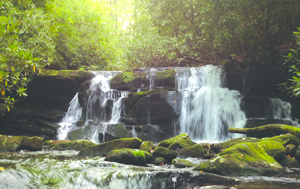
This year is the 50th anniversary of the Wilderness Act. Currently, a proposal to designate nearly 20,000 acres of the Cherokee National Forest as official wilderness sits in Congress. Writer Chris Samoray takes a hike through a proposed wild area along the Bald River.
Read MoreSeeking Justice: Activists and agencies react to systemic violations of mining laws
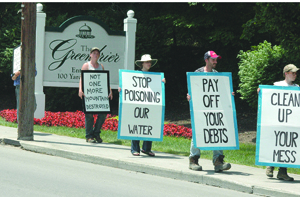
James C. Justice is the rare, modern-day coal baron who actually resides in Appalachia. Despite his local ties, Justice-owned operations in five states have earned him a reputation among environmental advocates as one of the region’s worst violators of mining laws.
Read MoreOne Artist’s Experience with Coal Ash

Caroline Armijo began an environmental justice art project after seeing many friends and family die from cancer in her North Carolina community, near one of the state’s largest coal ash impoundments. In this excerpt from her website, she describes the circumstances that shaped her paper sculpture creation, titled “Gray Matter.”
Read MoreThe Truth About Coal Ash
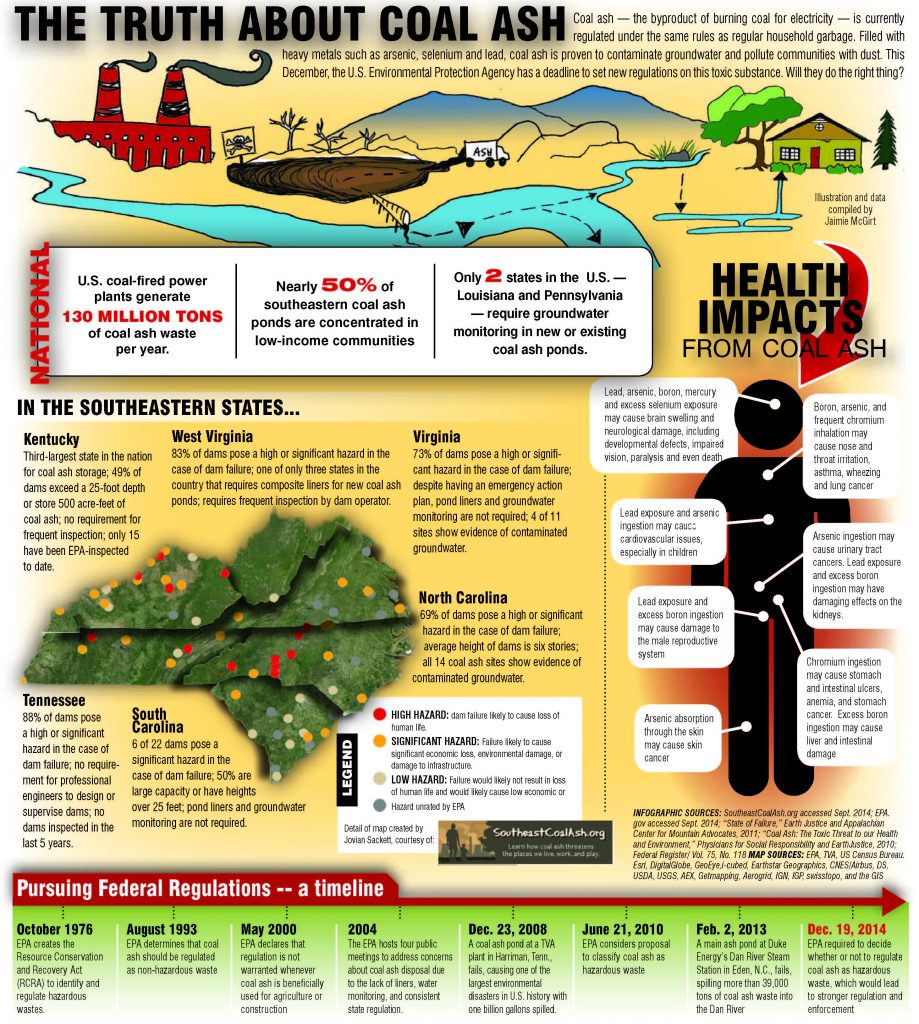
Coal ash — the byproduct of burning coal for electricity — is currently less regulated than regular household garbage. Filled with heavy metals, coal ash is proven to contaminate groundwater and pollute communities with dust.
Read MoreSeleni-what?
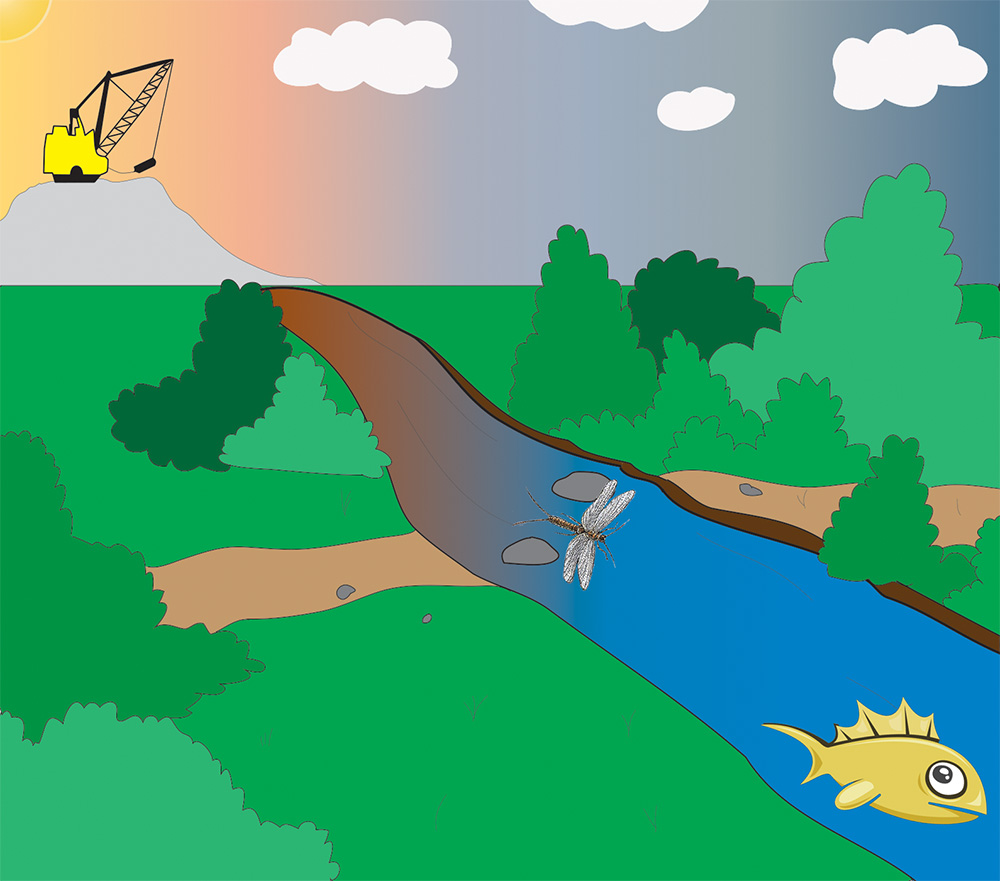
Most people have probably never heard of selenium, but for coal operators and fish it’s a big deal. Appalachian Voices’ water quality expert takes a moment to explain the issues surrounding this mineral — necessary in small amounts but toxic to aquatic life even at very low levels — and the EPA’s controversial attempts to regulate it.
Read MoreSeeding Dreams with Self-Esteem
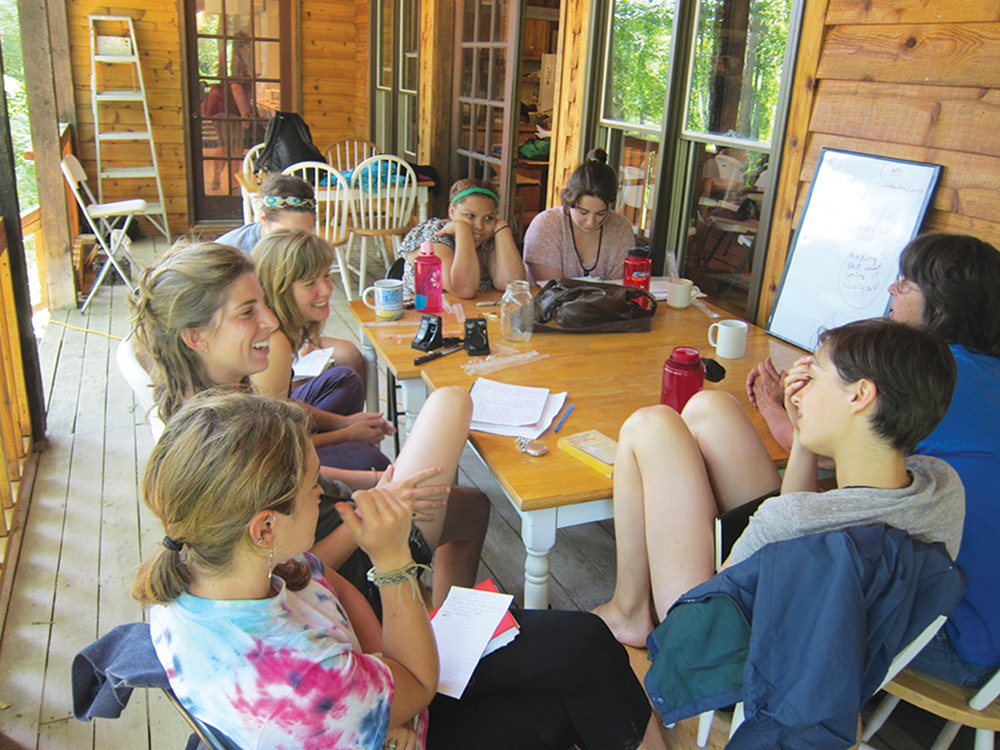
Through educational advancement and hands-on training, two programs strive to build new opportunities for girls and women in rural Appalachia.
Read MoreExploring Mountain Bogs
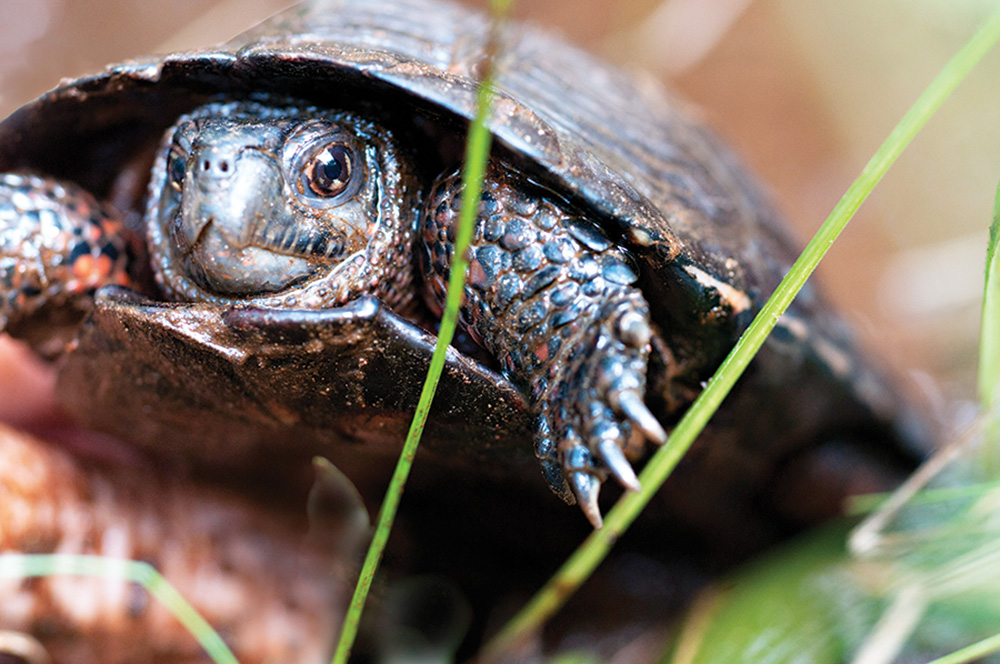
Although mountain bogs represent less than one percent of the southern Appalachian landscape, they are pockets of immense ecological and practical importance and provide a haven for many rare plants and animals.
Read MoreFull Disclosure?
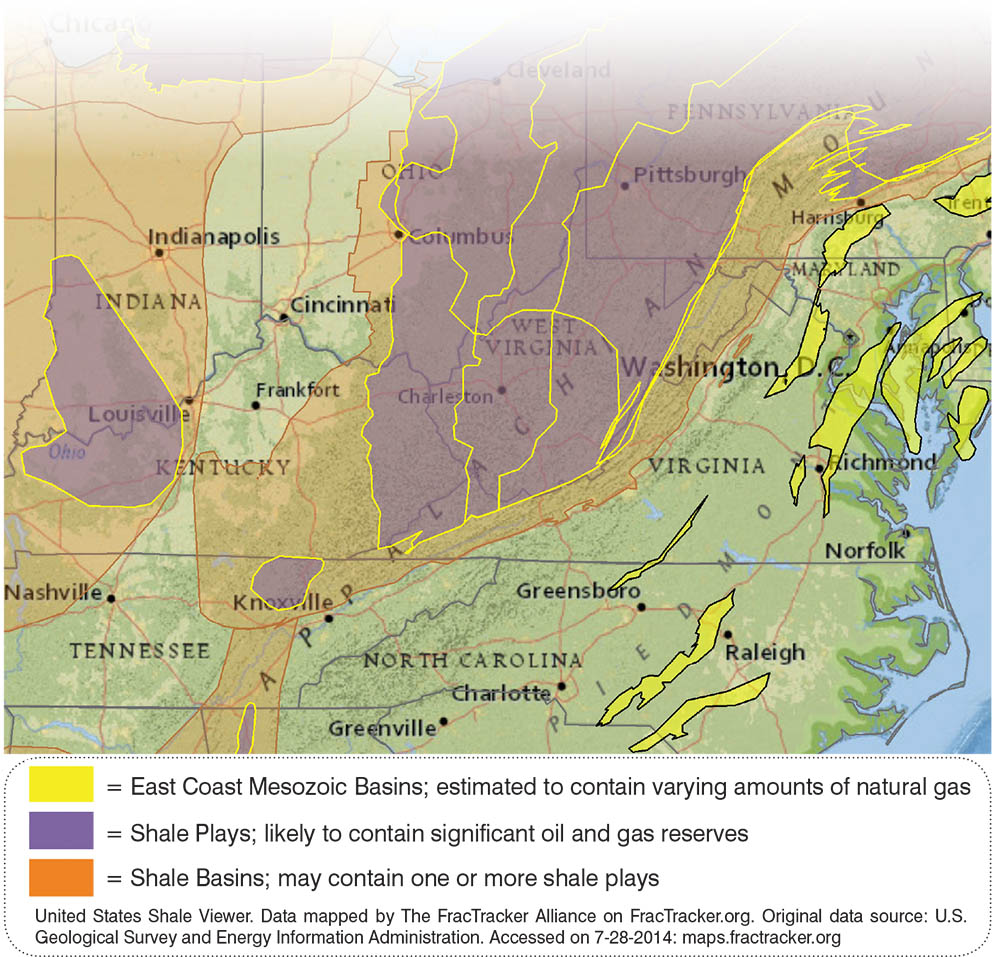
As North Carolina considers its first natural gas drilling rules, a survey of the region shows how states are — and aren’t — regulating fracking.
Read MoreStudy Shows Steep Decline in Fish Populations Near Mountaintop Removal
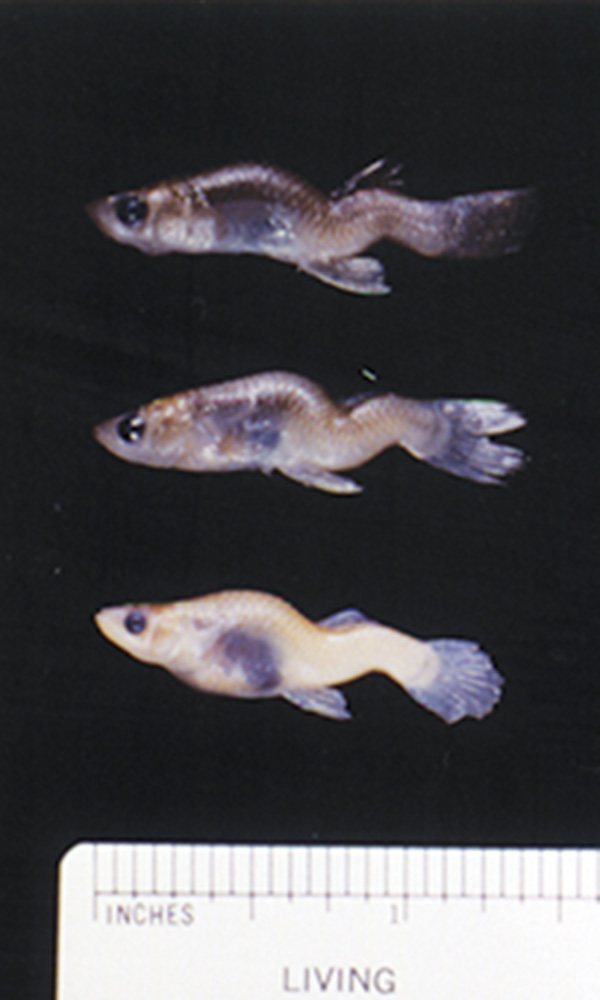
A study from researchers at the U.S. Geological Survey published in July provides strong new evidence that mountaintop removal coal mining in Appalachia is devastating downstream fish populations.
Read MoreAt What Cost?
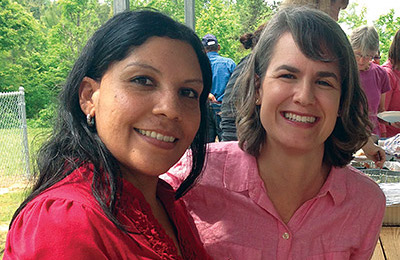
Concerns about Duke’s toxic coal ash have prompted Annie Brown and dozens of other community members to meet regularly since July 2013 to discuss how to get it out of their neighborhood once and for all. The group, which calls itself “Residents for Coal Ash Cleanup,” has recently grown in size, becoming more outspoken and more certain of their demands.
Read More