

After years of denying that coal ash, a toxic byproduct of burning coal for electricity, carried any associated health risks, the Tennessee Valley Authority began posting warning signs at its Kingston Fossil Fuel Plant in Roane County, Tenn., according to the USA Today Network – Tennessee.
More than two dozen workers who helped clean up the December 2008 TVA coal ash disaster have died, and surviving workers and family members are suing the company that managed the cleanup because the workers were not provided any safety gear while handling this substance known to contain carcinogens and heavy metals such as arsenic, mercury and lead.
A TVA spokesperson told the news agency that the new health warning applies only to work done indoors and would not be necessary for clean up work done outside.
Duke Energy is also facing legal trouble related to coal ash. The utility withheld dam safety information from communities in Indiana, Kentucky and North Carolina, according to lawyers representing environmental and community groups including Appalachian Voices, the publisher of this paper. After the groups threatened legal action, Duke changed course and agreed to publish the information.
The utility is required by federal law to provide emergency action plans for any of its coal ash storage ponds where a failure in a dam could result in result in loss of human life or serious environmental impact.
According to documents made public by legal advocacy groups Earthjustice and the Southern Environmental Law Center, Duke Energy had originally blackened out maps of the areas that would be impacted and information about how to contact emergency responders.
And the U.S. Environmental Protection Agency retracted a 30-day extension for public comment on its guidelines for handling coal ash. After issuing the draft document on Aug. 15, the EPA’s original public comment period was scheduled to last until Sept. 14. On behalf of 50 public interest groups including Appalachian Voices, Earthjustice lawyer Lisa Evans requested and was granted an additional 30 days for submitting public comments.
According to Evans, the EPA contacted her just four hours before the initial deadline on Sept. 14 and retracted the extension without explanation or warning.
The retraction is being challenged in order to allow for public participation in the process.
Related Articles
Latest News
More Stories

Halloween Approaches, and Night School Is in Session
The House of Art in Bluefield, West Virginia, looks like a haunted tower, making it the perfect location for its sixth annual haunt event: Night School. The Night School will be open every Friday and Saturday night through Oct. 31.

‘The Most Perfect Act of Love’
After losing its rural pride celebration, hundreds of people attended the second annual Affirming Sumner Pride celebration on a 24-acre farm dubbed “Fruity Farm” in Bethpage, Sumner County, Tennessee.

Signs of Life
In the Nantahala National Forest, a team of biologists spotted Indiana bats, an endangered species that hasn’t been seen in North Carolina for the last 11 years.

‘First Line of Defense’
During Hurricane Helene and its aftermath, rural fire departments and other first responder hubs played critical roles in keeping their communities safe, even without power and cut off from outside support for days or weeks after the storm. Two years later, plenty of work remains to ensure these hubs have the resources they need to operate day to day and be ready when emergencies or natural disasters strike.

The Rocky Road — and Bridge — to Recovery
Hurricane Helene is estimated to have damaged nearly 7,000 private roads and bridges in Western North Carolina. Two years later, many restoration projects are complete, but the journey hasn’t been easy — and isn’t over for others.
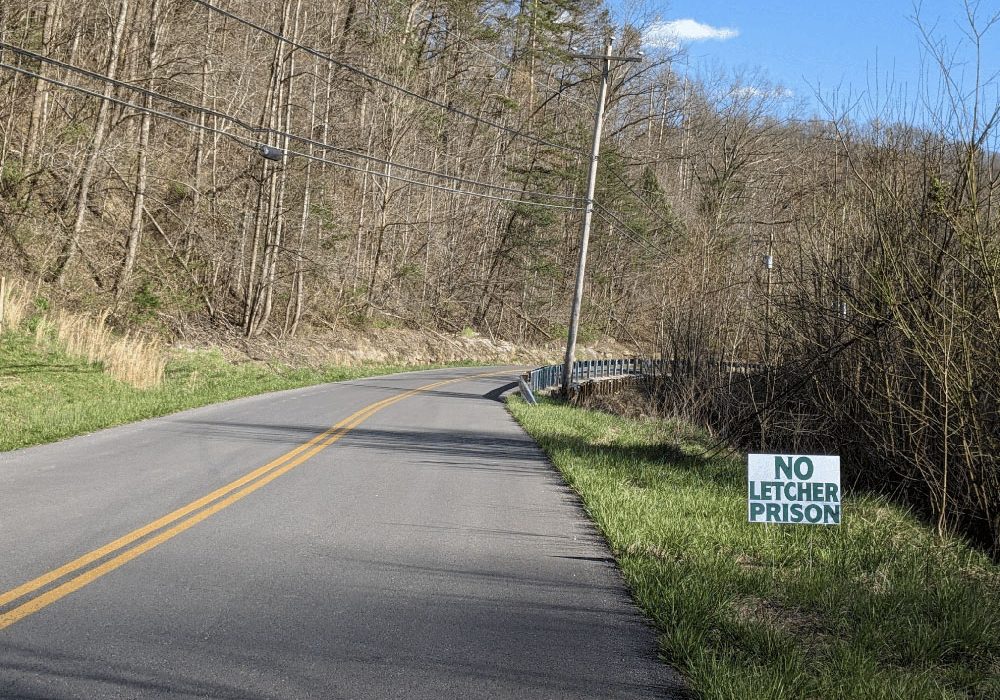
After 20 Years, Letcher County Prison Proposal Is Still Alive, Though Obstacles Remain
A $605 million proposal for a federal prison on a former strip mine site in Letcher County, Kentucky, championed by U.S. Rep. Hal Rogers, refuses to die, despite local opposition, a lack of support from the executive branch and numerous other obstacles.

Leave a comment
Your email address will not be published. Required fields are marked *
Leave a Comment