

By Adrienne Fouts
Currently, over 1,600 species in the United States are listed as endangered or threatened under the Endangered Species Act, which was established in 1973 to protect plants, animals and their ecosystems from extinction.
Among the protected species in Appalachia are the Carolina and Virginia northern flying squirrels, a few species of bats, and several fish, crayfish and mussel species. Loopholes in the enforcement of the act in relation to coal mining threaten the wellbeing of these species, according to Tierra Curry, senior scientist at the Center for Biological Diversity. The Stream Protection Rule, finalized by the Office of Surface Mining in December 2016, aimed to combat these loopholes by protecting the water and ecosystems threatened by mining, but was rescinded by Congress in February. Read more about the Stream Protection Rule.
However, some congressional representatives are hoping to limit the Endangered Species Act’s power or repeal it entirely, according to The Washington Post. Critics, including House Natural Resources Committee Chairman Rep. Rob Bishop (R-Utah), say that the act has too often blocked economic development and caused difficulties for landowners without making great changes in species’ recovery.
According to The Washington Post, Republican lawmakers have sponsored dozens of measures over the past eight years to limit the Endangered Species Act, the majority of which were blocked either by Democrats or by lawsuits from environmental groups. Now opponents of the act see an opportunity to pass those measures, with Bishop telling the Post that he would “love to invalidate” the law.
Proposed reforms include limiting lawsuits about species protection, placing a cap on how many species are on the list and giving states greater management of public lands and wildlife.
According to Curry, if Congress repeals or limits the Endangered Species Act, it could spell extinction for newly protected species like the Big Sandy crayfish and the Kentucky arrow darter.
“Protecting the creeks where endangered species live would also protect water quality for people,” Curry says. “But public health and wildlife are both being thrown under the bus by the Trump administration.”
Related Articles
Latest News
More Stories
Neighbors Help Neighbors
A photo essay that celebrates the volunteer spirit of the grassroots group Hurricane Helene WNC and speaks to the resourcefulness, collaboration and hard work embodied by thousands and thousands of volunteers, first responders and aid workers across the region after Hurricane Helene.

Halloween Approaches, and Night School Is in Session
The House of Art in Bluefield, West Virginia, looks like a haunted tower, making it the perfect location for its sixth annual haunt event: Night School. The Night School will be open every Friday and Saturday night through Oct. 31.
‘The Most Perfect Act of Love’
Hundreds of people attended the second annual Affirming Sumner Pride celebration on a 24-acre farm dubbed “Fruity Farm” in Bethpage, Sumner County, Tennessee.
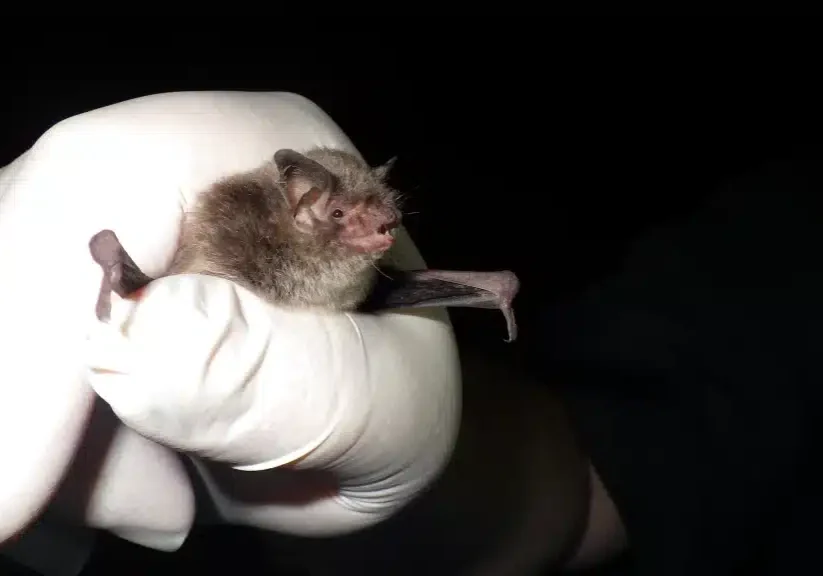
Signs of Life: Endangered Bats Found in Nantahala for First Time in More Than a Decade
In the Nantahala National Forest, a team of biologists spotted Indiana bats, an endangered species that hasn’t been seen in North Carolina for the last 11 years.

‘First Line of Defense’
During Hurricane Helene and its aftermath, rural fire departments and other first responder hubs played critical roles in keeping their communities safe, even without power and cut off from outside support for days or weeks after the storm. Two years later, plenty of work remains to ensure these hubs have the resources they need to operate day to day and be ready when emergencies or natural disasters strike.

The Rocky Road — and Bridge — to Recovery
Hurricane Helene is estimated to have damaged nearly 7,000 private roads and bridges in Western North Carolina. Two years later, many restoration projects are complete, but the journey hasn’t been easy — and isn’t over for others.

Leave a comment
Your email address will not be published. Required fields are marked *
Leave a Comment