

By Brian Sewell
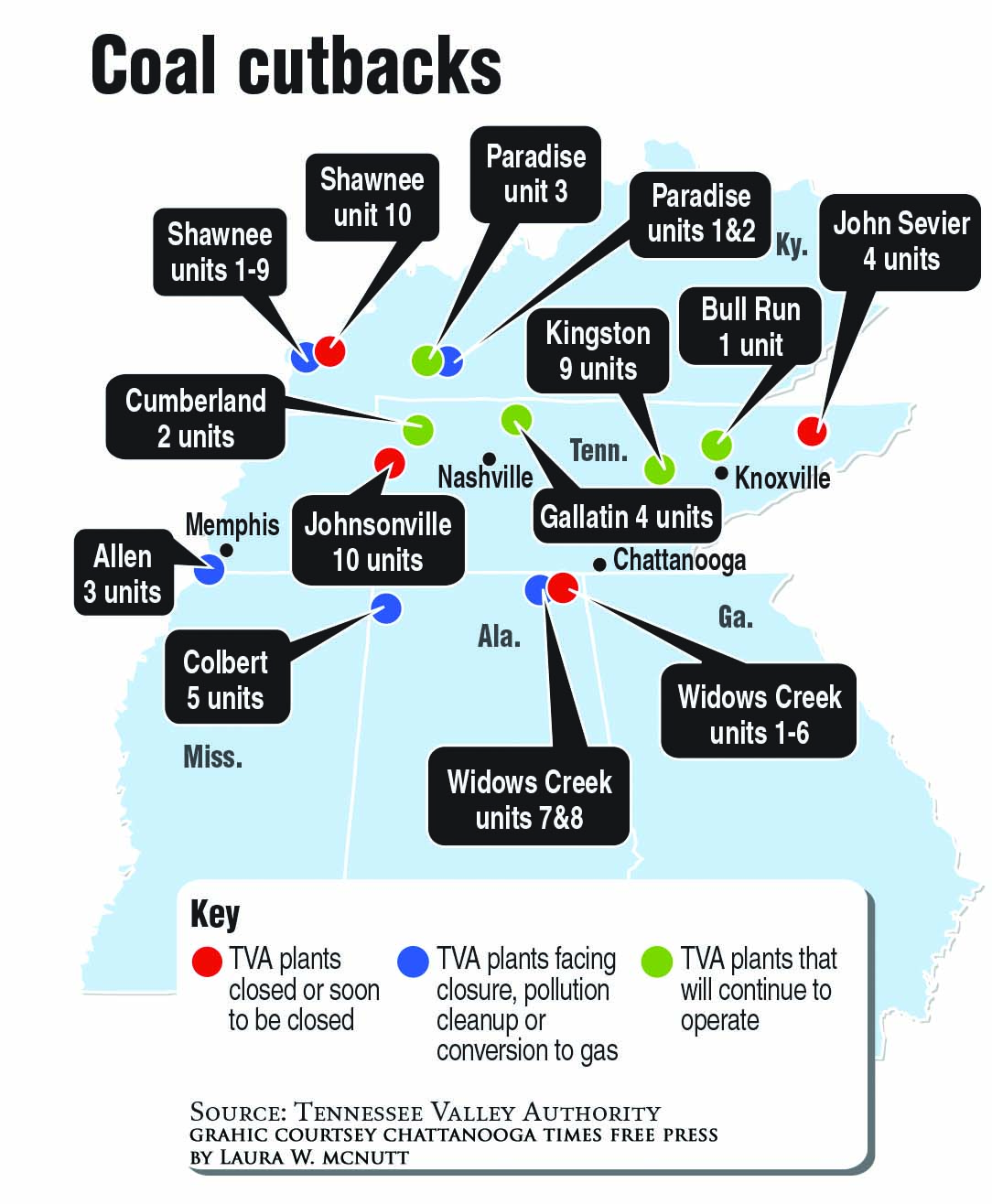
After more than 50 years of supplying most of its power plants with coal, the Tennessee Valley Authority announced it will idle 3,308 megawatts of capacity at eight coal units in Kentucky and Alabama — approximately half of its coal-based generation.
Citing market factors, declining demand and stricter environmental rules, board members of TVA — the nation’s largest public power provider — said the cutbacks will move the utility closer to its long-term goal of relying on coal for just 20 percent of its overall generation. Under TVA’s plan, nuclear power will overtake coal-based generation and account for 40 percent of the utility’s capacity.
While the announcement came as no surprise to observers familiar with TVA’s plans for the future, the timing of the decision did. The 20-year plan TVA released in 2011 included the idling of up to 4,700 megawatts of coal capacity by 2017. But in late October, the utility updated its plan in “response to major changes in electrical utility industry trends,” providing signs it planned to expedite a shift away from coal.
“These were difficult recommendations to make as they directly impact our employees and communities,” TVA President and CEO Bill Johnson told reporters. “But the plan is what’s best in terms of its positive impact on TVA’s rates, debt and the environment; and it will bring the greatest benefit to the people of the Valley.”
Units planned for retirement include two of the three at the 50-year-old Paradise Fossil Plant in western Kentucky. Despite making significant investments to upgrade the plant’s pollution controls in 2012, the TVA board said it is not in its ratepayers’ best interest to keep the units running.
Those units will be replaced by a $1 billion natural gas plant, which TVA said will cost less than installing controls at the aging coal plants to meet new and proposed air quality standards, and will also add construction-related jobs.
According to Joe Ritch, a TVA board member from Huntsville, Ala., saving a few jobs now by investing billions to keep the plants open would reduce TVA’s competitiveness for years to come. “As painful as it is, it’s the right thing to do,” said Ritch.
Related Articles
Latest News
More Stories

Halloween Approaches, and Night School Is in Session
The House of Art in Bluefield, West Virginia, looks like a haunted tower, making it the perfect location for its sixth annual haunt event: Night School. The Night School will be open every Friday and Saturday night through Oct. 31.
‘The Most Perfect Act of Love’
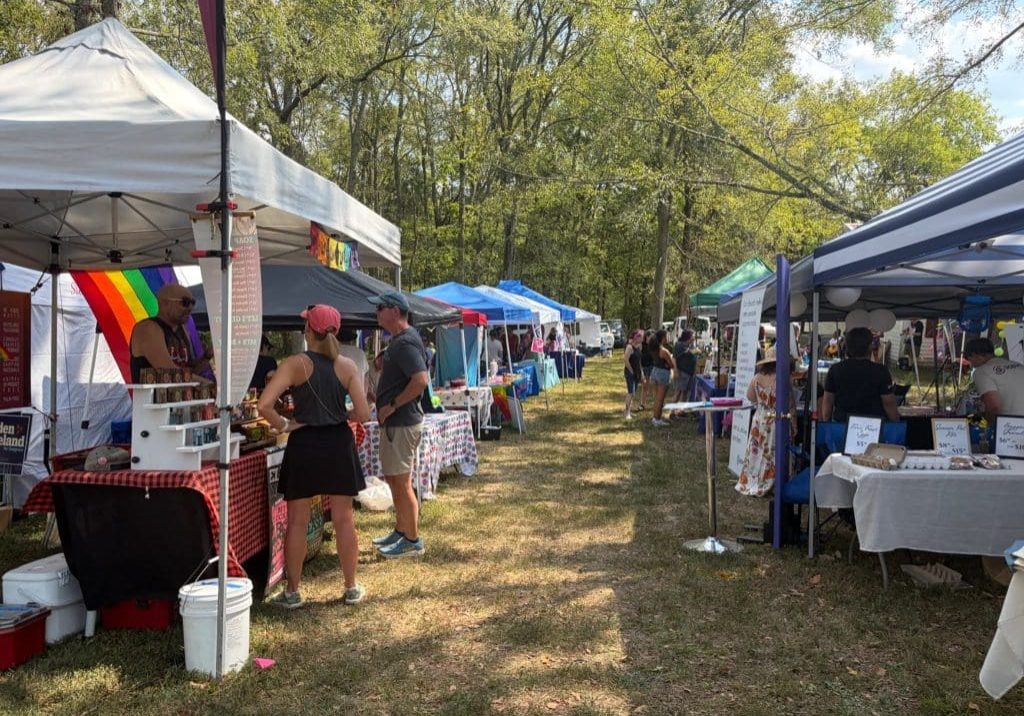
After losing its rural pride celebration, hundreds of people attended the second annual Affirming Sumner Pride celebration on a 24-acre farm dubbed “Fruity Farm” in Bethpage, Sumner County, Tennessee.

Signs of Life
In the Nantahala National Forest, a team of biologists spotted Indiana bats, an endangered species that hasn’t been seen in North Carolina for the last 11 years.

‘First Line of Defense’
During Hurricane Helene and its aftermath, rural fire departments and other first responder hubs played critical roles in keeping their communities safe, even without power and cut off from outside support for days or weeks after the storm. Two years later, plenty of work remains to ensure these hubs have the resources they need to operate day to day and be ready when emergencies or natural disasters strike.

The Rocky Road — and Bridge — to Recovery
Hurricane Helene is estimated to have damaged nearly 7,000 private roads and bridges in Western North Carolina. Two years later, many restoration projects are complete, but the journey hasn’t been easy — and isn’t over for others.

After 20 Years, Letcher County Prison Proposal Is Still Alive, Though Obstacles Remain
A $605 million proposal for a federal prison on a former strip mine site in Letcher County, Kentucky, championed by U.S. Rep. Hal Rogers, refuses to die, despite local opposition, a lack of support from the executive branch and numerous other obstacles.

Leave a comment
Your email address will not be published. Required fields are marked *
Leave a Comment