

Daniela Berry
Lenoir, N.C.
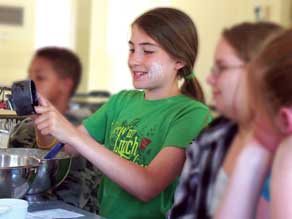
For 13-year-old Daniela Berry, the arrival of fall means it’s time to transition to cool-weather crops such as radishes and kale.
But Daniela’s after-school gardening isn’t just for her own dinner table— she organizes her county’s 4-H Plant a Row for the Hungry, a community service group that encourages gardeners to share the bounty. Young plants from the county correctional center, a high school chapter of Future Farmers of America, and the community college are transported to places such as Habitat for Humanity backyards, church gardens and Whitnel Elementary School. The resulting produce ends up at the county’s food pantries and soup kitchens.
Daniela also works with kids from Whitnel Elementary’s extended-care program in the schoolyard garden she initiated. Her favorite gardening task is teaching elementary students to plant starts such as cabbage; she and the students are both cheered by plants’ rapid growth.
Darlene Berry, Daniela’s mother, recalls that when Caldwell County’s Plant a Row project began, local vegetables at food pantries were unheard of. That idea has been turned upside down — last year, two county food pantries alone recorded 10,000 pounds of donated produce. — By Molly Moore
Related Articles
Latest News
More Stories

Halloween Approaches, and Night School Is in Session
The House of Art in Bluefield, West Virginia, looks like a haunted tower, making it the perfect location for its sixth annual haunt event: Night School. The Night School will be open every Friday and Saturday night through Oct. 31.
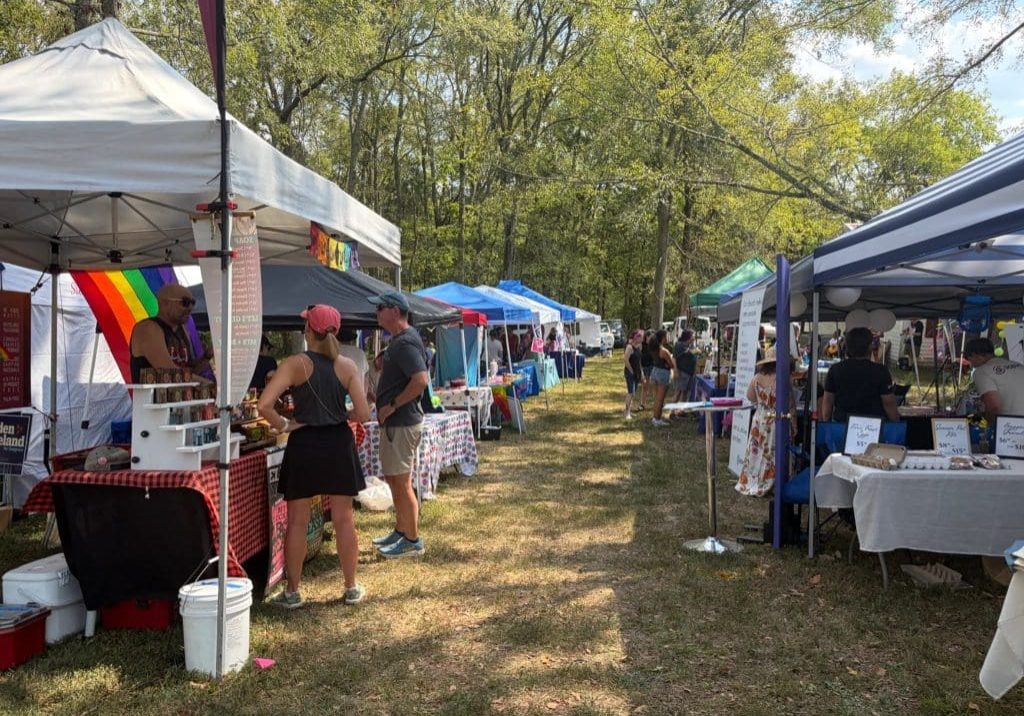
‘The Most Perfect Act of Love’
After losing its rural pride celebration, hundreds of people attended the second annual Affirming Sumner Pride celebration on a 24-acre farm dubbed “Fruity Farm” in Bethpage, Sumner County, Tennessee.

Signs of Life
In the Nantahala National Forest, a team of biologists spotted Indiana bats, an endangered species that hasn’t been seen in North Carolina for the last 11 years.

‘First Line of Defense’
During Hurricane Helene and its aftermath, rural fire departments and other first responder hubs played critical roles in keeping their communities safe, even without power and cut off from outside support for days or weeks after the storm. Two years later, plenty of work remains to ensure these hubs have the resources they need to operate day to day and be ready when emergencies or natural disasters strike.

The Rocky Road — and Bridge — to Recovery
Hurricane Helene is estimated to have damaged nearly 7,000 private roads and bridges in Western North Carolina. Two years later, many restoration projects are complete, but the journey hasn’t been easy — and isn’t over for others.
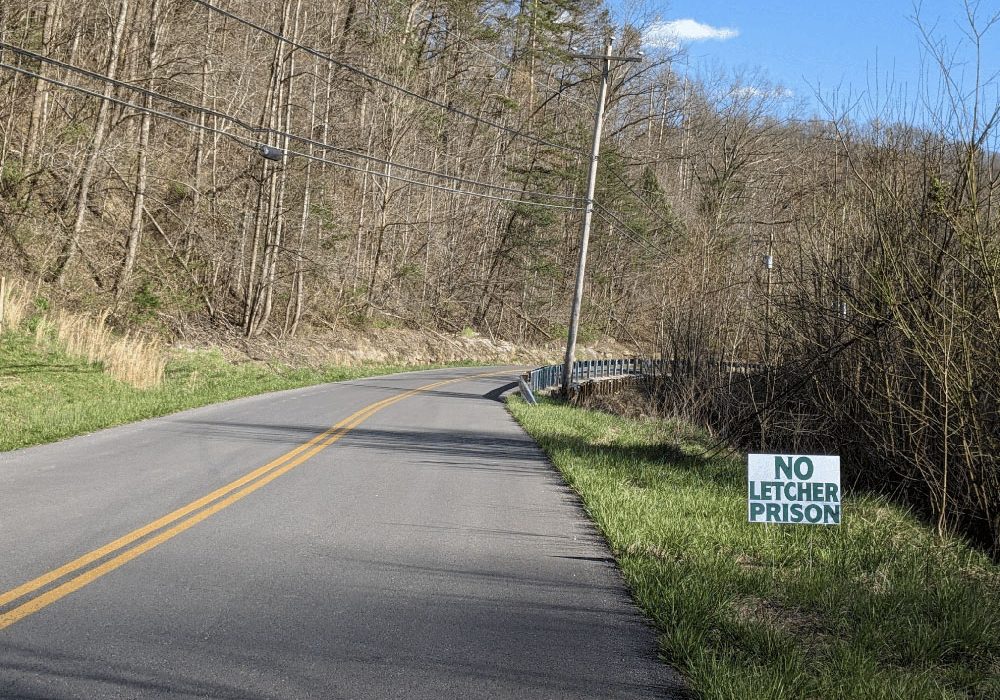
After 20 Years, Letcher County Prison Proposal Is Still Alive, Though Obstacles Remain
A $605 million proposal for a federal prison on a former strip mine site in Letcher County, Kentucky, championed by U.S. Rep. Hal Rogers, refuses to die, despite local opposition, a lack of support from the executive branch and numerous other obstacles.

Leave a comment
Your email address will not be published. Required fields are marked *
Leave a Comment