

Bailey Wells, Tristan Ginter and the West Carter Middle School Science Club
Olive Hill, Ky.
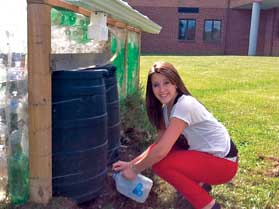
From a distance, the 10 by 14-foot structure behind West Carter Middle School in Carter County, Ky., looks like a futuristic laboratory. But closer examination reveals a deceptively simple greenhouse.
Inspired by the internet, funded by a grant from nonprofit youth organization Earth Force, and initiated by a student-led soda bottle collection, the greenhouse incorporates about 1,100 two-liter recycled plastic bottles, which are stacked in wood frames and held in place by wire. The base of the greenhouse is insulated with old tires that the school’s Science Club members filled with dirt.
Using their math skills, the students built a tilted roof to funnel rain into two black rainbarrels that provide water for the garden and a natural source of warmth through heat transfer.
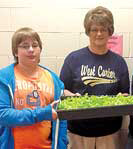
Bailey Wells and Tristan Ginter, highly involved members of the Science Club, say that the student-grown lettuce and onions from the greenhouse result in tastier salads. Last year, the greenhouse provided salads for the school of 425 on five occasions. Wells points out that by growing food on school grounds, less energy is used in transportation. While the county high school’s greenhouse relies on conventional energy sources for electricity and water, the West Carter Middle School’s student-built greenhouse is self-sufficient and saves the school about $850 annually. “Other schools should learn [from this example] so we can save more money for the state,” says sixth-grader Tristan Ginter.
As she and other greenhouse builders head to the high school next year, the high school greenhouse’s electric generator is probably shaking in its boots. — By Molly Moore
Related Articles
Latest News
More Stories

Halloween Approaches, and Night School Is in Session
The House of Art in Bluefield, West Virginia, looks like a haunted tower, making it the perfect location for its sixth annual haunt event: Night School. The Night School will be open every Friday and Saturday night through Oct. 31.
‘The Most Perfect Act of Love’
After losing its rural pride celebration, hundreds of people attended the second annual Affirming Sumner Pride celebration on a 24-acre farm dubbed “Fruity Farm” in Bethpage, Sumner County, Tennessee.
Signs of Life
In the Nantahala National Forest, a team of biologists spotted Indiana bats, an endangered species that hasn’t been seen in North Carolina for the last 11 years.

‘First Line of Defense’
During Hurricane Helene and its aftermath, rural fire departments and other first responder hubs played critical roles in keeping their communities safe, even without power and cut off from outside support for days or weeks after the storm. Two years later, plenty of work remains to ensure these hubs have the resources they need to operate day to day and be ready when emergencies or natural disasters strike.

The Rocky Road — and Bridge — to Recovery
Hurricane Helene is estimated to have damaged nearly 7,000 private roads and bridges in Western North Carolina. Two years later, many restoration projects are complete, but the journey hasn’t been easy — and isn’t over for others.
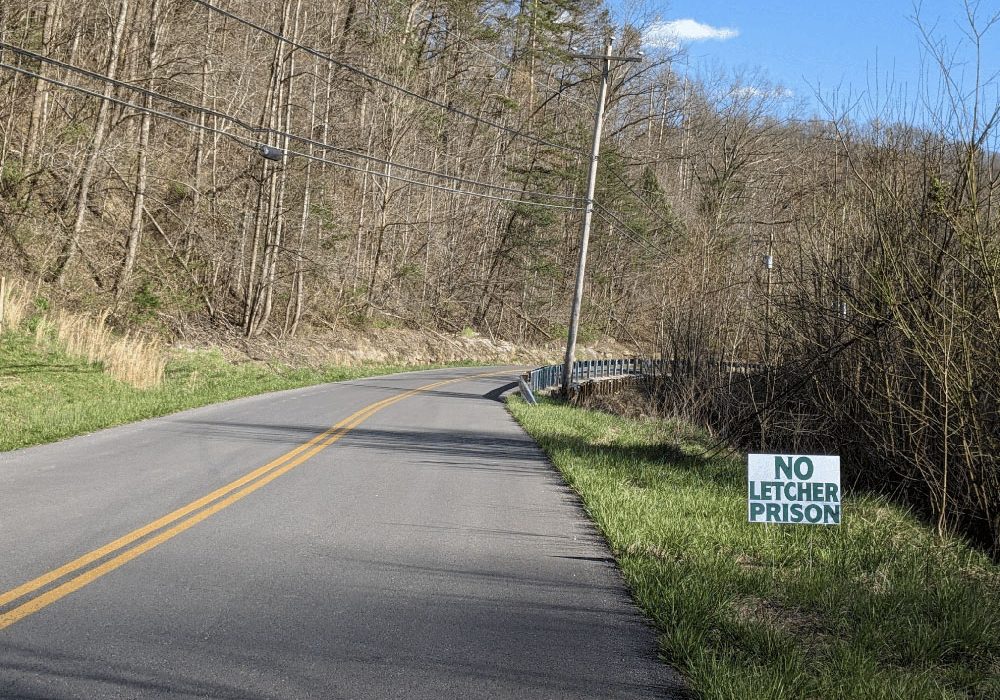
After 20 Years, Letcher County Prison Proposal Is Still Alive, Though Obstacles Remain
A $605 million proposal for a federal prison on a former strip mine site in Letcher County, Kentucky, championed by U.S. Rep. Hal Rogers, refuses to die, despite local opposition, a lack of support from the executive branch and numerous other obstacles.

Leave a comment
Your email address will not be published. Required fields are marked *
Leave a Comment