

We Can End Mountaintop Removal in Tennessee
By Dr. Minnie Vance
Chattanooga, Tenn.
In Tennessee, we love our mountains. These peaks and valleys inform our southern heritage, enhance our connection to family and represent the best of what we call state and country. Our mountains are home. Nevertheless, we too are facing down the barrel of continued mountaintop removal mining. Unfortunately, in that respect, we are not that different than many other states in Appalachia.
But one thing in Tennessee is different: the playing field between the coal industry and the citizens of our state. Because of the relative unimportance of the state’s coal industry we have a tremendous opportunity to play offense on issues like mountaintop removal, and to make Tennessee a leading light among Central Appalachian states. The negative impact that coal is having on our environment, our economy, and on public health is tremendous, but their the coal industry’s contribution to our well-being is lacking. Their influence on the political process remains tenuous in Tennessee. Our state only produces 0.2 percent of America’s coal, 98 percent of our coal comes from just three counties, and Tennessee’s mountain-driven tourism industry employs more than 470 times more people than the state coal industry while bringing in $14 billion each year.
The coal industry’s impact on our state budget is a net loss of more than $3 million every year. All over Tennessee, taxpayers are sick of our money being wasted on subsidies that prop up a coal industry that can’t compete without an influx of our hard-earned cash. And who runs the industry these tax dollars going to prop up? Increasingly, the coal industry in Tennessee is controlled by out-of state operators who come into our state, blast apart our land and take our money and mountains back out of state and overseas, leaving us with poisoned water, layoffs and poverty.
The Tennessee Scenic Vistas Protection Act is one way that Tennessee is fighting back. This bill would eliminate high-elevation surface mining techniques such as mountaintop removal in the state. Ninety-five percent of these high elevation surface mines are owned by out-of-state-operators, and nearly half of them are owned by a single individual. In January, a coal preparation plant owned by this same individual illegally dumped toxic coal slurry into the New River while failing to notify either the Office of Surface Mining or the Tennessee Department of Environment and Conservation. A citizen report came days after the accident, after more than 28 miles of the New River had been sullied. In the same month, this operator shut down National coal and laid off 155 workers, representing roughly 40 percent of Tennessee’s coal workforce.
For these and many other reasons, Tennessee must pass the Scenic Vistas Act and begin to reverse some of these abuses of our state, our communities, and our citizens.
Related Articles
Latest News
More Stories

Halloween Approaches, and Night School Is in Session
The House of Art in Bluefield, West Virginia, looks like a haunted tower, making it the perfect location for its sixth annual haunt event: Night School. The Night School will be open every Friday and Saturday night through Oct. 31.
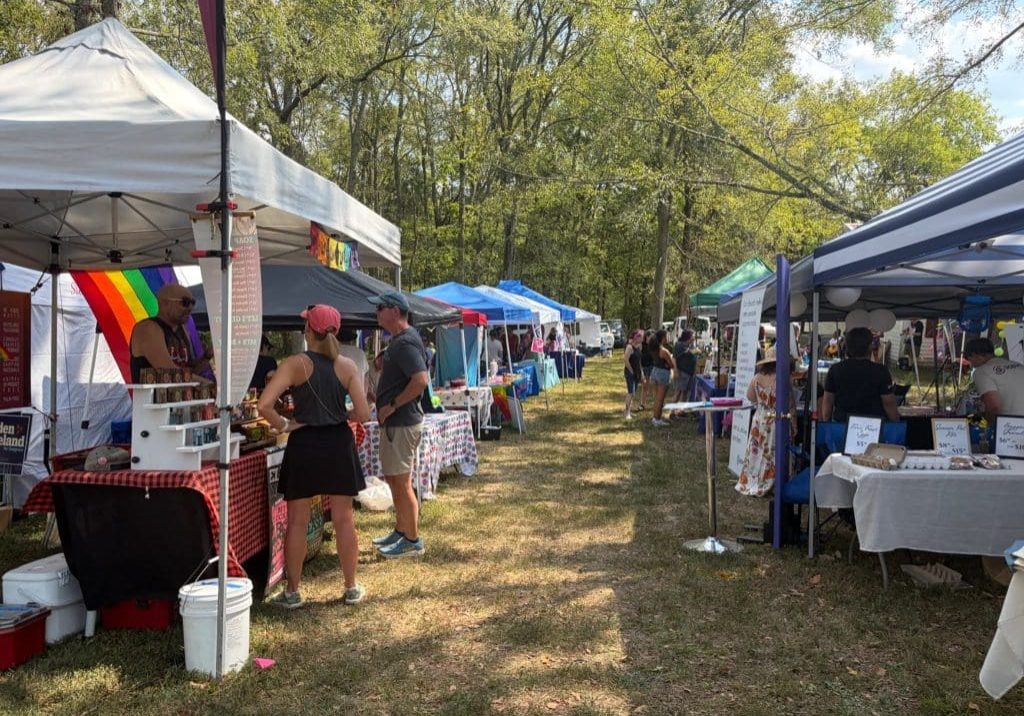
‘The Most Perfect Act of Love’
After losing its rural pride celebration, hundreds of people attended the second annual Affirming Sumner Pride celebration on a 24-acre farm dubbed “Fruity Farm” in Bethpage, Sumner County, Tennessee.

Signs of Life
In the Nantahala National Forest, a team of biologists spotted Indiana bats, an endangered species that hasn’t been seen in North Carolina for the last 11 years.
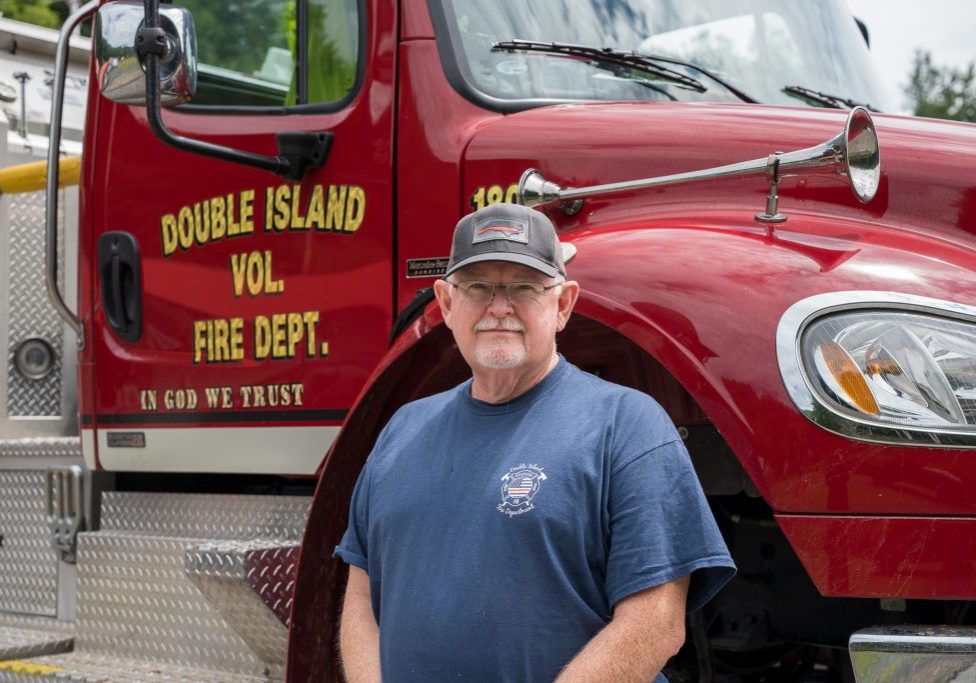
‘First Line of Defense’
During Hurricane Helene and its aftermath, rural fire departments and other first responder hubs played critical roles in keeping their communities safe, even without power and cut off from outside support for days or weeks after the storm. Two years later, plenty of work remains to ensure these hubs have the resources they need to operate day to day and be ready when emergencies or natural disasters strike.
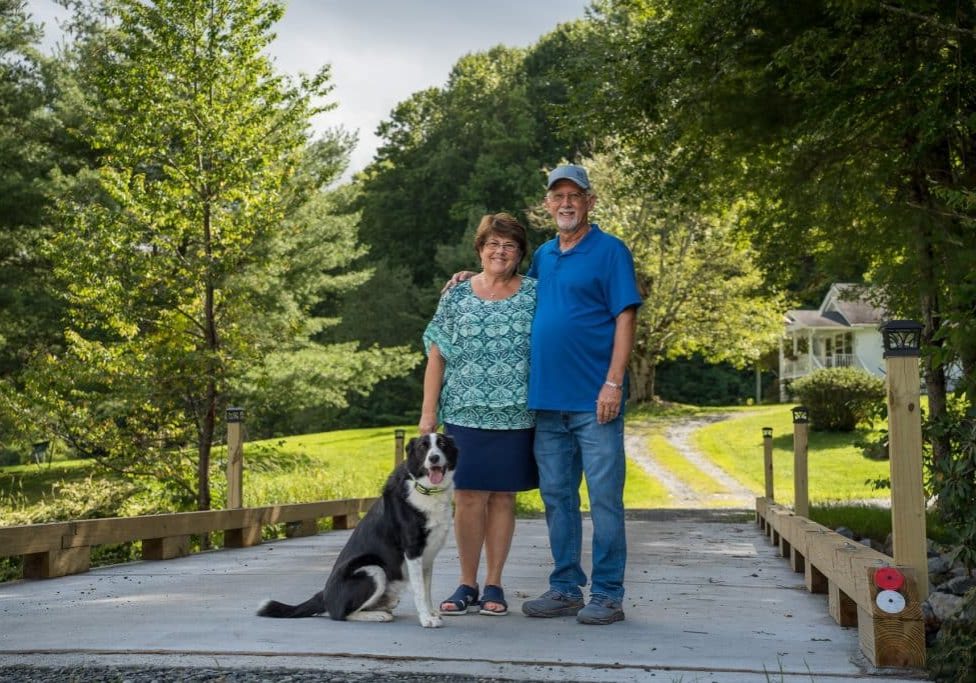
The Rocky Road — and Bridge — to Recovery
Hurricane Helene is estimated to have damaged nearly 7,000 private roads and bridges in Western North Carolina. Two years later, many restoration projects are complete, but the journey hasn’t been easy — and isn’t over for others.
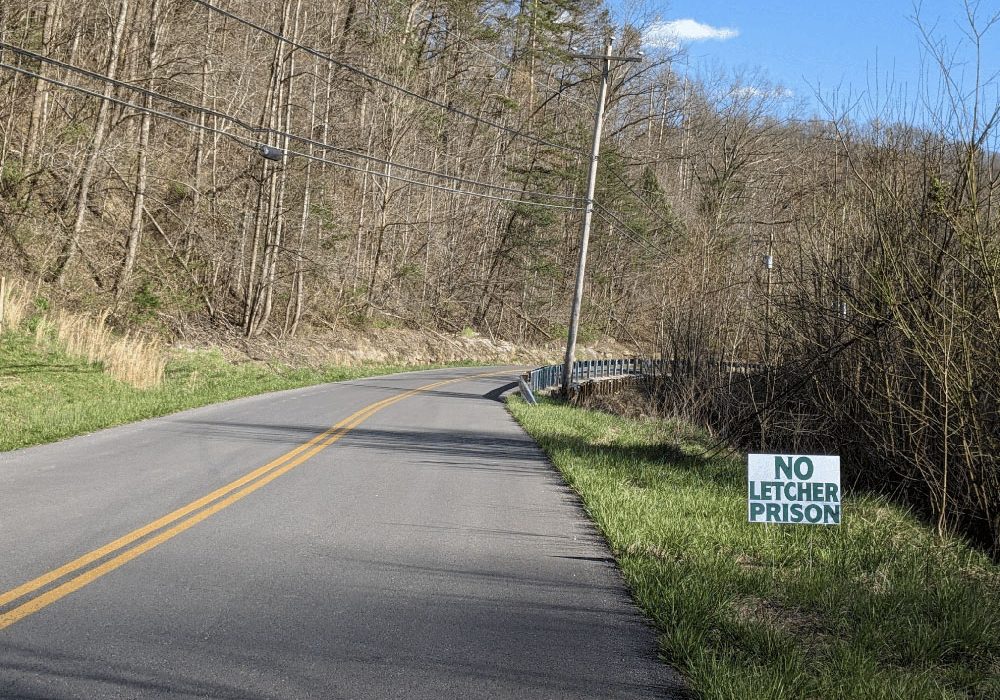
After 20 Years, Letcher County Prison Proposal Is Still Alive, Though Obstacles Remain
A $605 million proposal for a federal prison on a former strip mine site in Letcher County, Kentucky, championed by U.S. Rep. Hal Rogers, refuses to die, despite local opposition, a lack of support from the executive branch and numerous other obstacles.

Leave a comment
Your email address will not be published. Required fields are marked *
Leave a Comment