

Tennessee Office Making Ground with State Legislature, TVA
In Tennessee, our staff is currently working with the state legislature to pass the Scenic Vistas Protection Act, a bill that would ban high elevation surface mining techniques such as mountaintop removal in the mountains of eastern Tennessee.
In collaboration with partners across the state, we are building relationships with key members of the House and Senate committees and building grassroots pressure in strategic districts, while also advancing legislation that would increase disclosure and responsible party identification for coal operators in our state.
Tennessee Director J.W. Randolph recently gave a presentation to the Tennessee Valley Authority Board of Directors, where he pointed out that a relatively small amount of TVA’s coal comes from Central Appalachian surface mines (around 2.6 percent), the most expensive states for TVA to purchase coal from are the four Central Appalachian states (Tenn., Ky., W.Va., and Va.). As of 2010, surface mined coal was actually more expensive for TVA than underground mined coal from Central Appalachia. Appalachian Voices’ ultimate goal is to help TVA move away from the use of surface-mined Appalachian coal in their power plants.
To keep up to date with our Tennessee work, visit AppalachianVoices.org/tn.
New iLoveMountains.org Tool Reveals “The Human Cost” of Mountaintop Removal
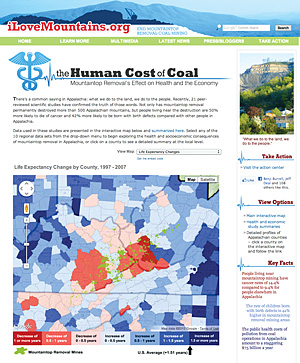
On Valentine’s Day, Appalachian Voices and The Alliance for Appalachia launched a new tool for the campaign to end mountaintop removal.
Dubbed “The Human Cost of Coal,” the tool features an interactive map that definitively plots the connection between mountaintop removal coal mining and significant health problems in Appalachia with detailed profiles of each county.
The data includes poverty rates and population indices from the 2010 U.S. Census, birth defect rates from the Center for Disease Control, the Gallup-Healthways Well-Being Index, and life expectancy and population numbers from the Institute for Health Metrics and Evaluation. The site also includes summaries for twenty one peer-reviewed studies that show human health problems such as heart, respiratory and kidney diseases, cancer, low birth weight and serious birth defects are significantly higher in communities near mountaintop removal mine sites.
“In the past year several studies have come out about the health impacts of living near mountaintop removal mining,” said Ada Smith, 24, a Letcher County, Ky., resident and a speaker at I Love Mountains Day. “Though many of the studies state the obvious for those of us living in these communities, the scientific facts give us much-needed evidence to make sure our laws are truly enforced for the health of our land and people.”
iLoveMountains.org is a project of The Alliance for Appalachia, which is comprised of thirteen local, state and regional organizations across Appalachia working together to end mountaintop removal and create a prosperous future for the region.
To view “The Human Cost of Coal,” visit iLoveMountains.org/the-human-cost.
Related Articles
Latest News
More Stories

Halloween Approaches, and Night School Is in Session
The House of Art in Bluefield, West Virginia, looks like a haunted tower, making it the perfect location for its sixth annual haunt event: Night School. The Night School will be open every Friday and Saturday night through Oct. 31.
‘The Most Perfect Act of Love’
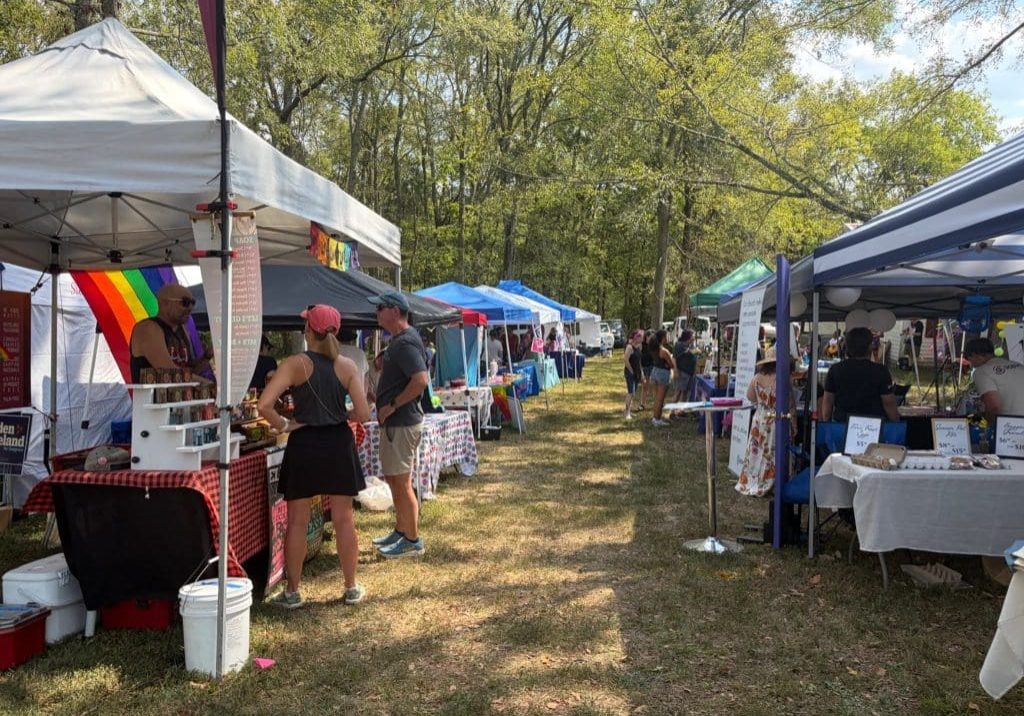
After losing its rural pride celebration, hundreds of people attended the second annual Affirming Sumner Pride celebration on a 24-acre farm dubbed “Fruity Farm” in Bethpage, Sumner County, Tennessee.

Signs of Life
In the Nantahala National Forest, a team of biologists spotted Indiana bats, an endangered species that hasn’t been seen in North Carolina for the last 11 years.

‘First Line of Defense’
During Hurricane Helene and its aftermath, rural fire departments and other first responder hubs played critical roles in keeping their communities safe, even without power and cut off from outside support for days or weeks after the storm. Two years later, plenty of work remains to ensure these hubs have the resources they need to operate day to day and be ready when emergencies or natural disasters strike.

The Rocky Road — and Bridge — to Recovery
Hurricane Helene is estimated to have damaged nearly 7,000 private roads and bridges in Western North Carolina. Two years later, many restoration projects are complete, but the journey hasn’t been easy — and isn’t over for others.
After 20 Years, Letcher County Prison Proposal Is Still Alive, Though Obstacles Remain
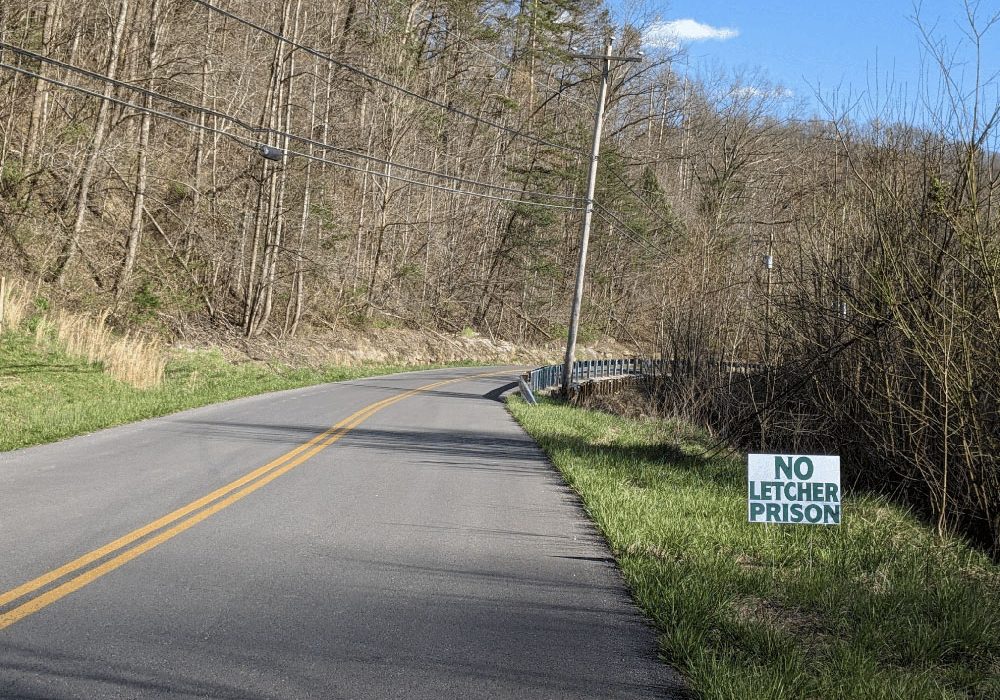
A $605 million proposal for a federal prison on a former strip mine site in Letcher County, Kentucky, championed by U.S. Rep. Hal Rogers, refuses to die, despite local opposition, a lack of support from the executive branch and numerous other obstacles.

Leave a comment
Your email address will not be published. Required fields are marked *
Leave a Comment