

Clean up and renew Appalachia
By George Brosi
George Brosi is the Editor of Appalachian Heritage at Berea College, KY
The future of Appalachia will be great if we can clean up and renew our infrastructure — in the broad sense of that term. If we can’t, there will be two Appalachias: one of fancy gated communities and the other of garbage dumps, prisons, and rocky ATV trails.
Barack Obama is committed to renewing our national infrastructure. I think that the Obama presidency, like the presidency of John F. Kennedy, will usher in a new era of activism. If the re-energized activists outside government and those inside can reinforce each other, we can accomplish wonders.
To me, the highest priority is our water, and our waterways must be recognized as a vital part of our infrastructure. I was there in the Rose Garden of the White House when Jimmy Carter signed the 1977 strip mine bill providing for stream buffer zones, and I’ve watched since then as both Democrats and Republicans have re-written the regulations to negate that provision. I hope we can pass a new, more explicit, stream saver bill in 2009, and then fight to keep it from being negated.
We also need a kind of national effort, like Rural Electrification, to guarantee sewer systems for all. The pollution of people as well as corporations and agriculture must be abated. Mass transit for freight and passengers, both to cities and between urban areas, must be part of our renewed infrastructure. Paved trails for bicycles, baby-strollers, and wheelchairs should crisscross the country as well as pathways for walking and hiking. If our infrastructure can be renewed in this kind of thorough way, then I think that our region will become an advantageous place to locate facilities that employ people and a truly attractive place to live.
Related Articles
Latest News
More Stories
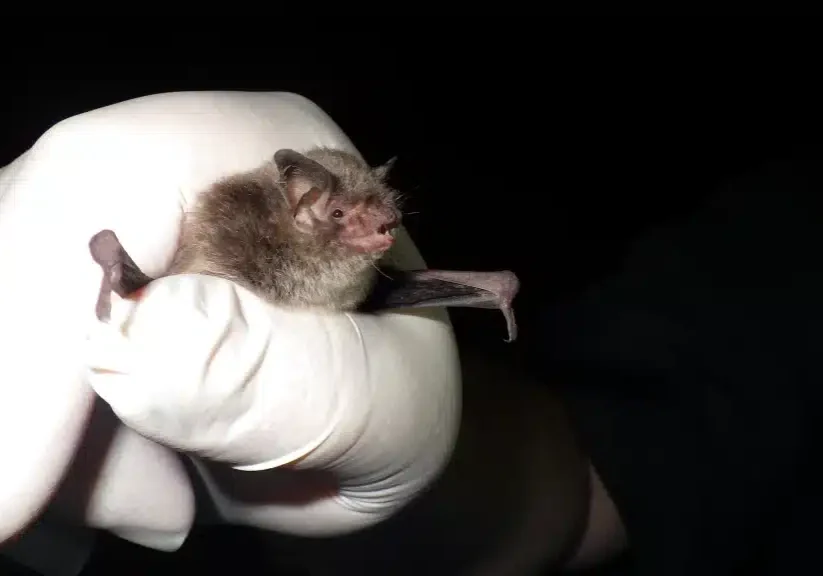
Signs of Life
In the Nantahala National Forest, a team of biologists spotted Indiana bats, an endangered species that hasn’t been seen in North Carolina for the last 11 years.

‘First Line of Defense’
During Hurricane Helene and its aftermath, rural fire departments and other first responder hubs played critical roles in keeping their communities safe, even without power and cut off from outside support for days or weeks after the storm. Two years later, plenty of work remains to ensure these hubs have the resources they need to operate day to day and be ready when emergencies or natural disasters strike.

The Rocky Road — and Bridge — to Recovery
Hurricane Helene is estimated to have damaged nearly 7,000 private roads and bridges in Western North Carolina. Two years later, many restoration projects are complete, but the journey hasn’t been easy — and isn’t over for others.
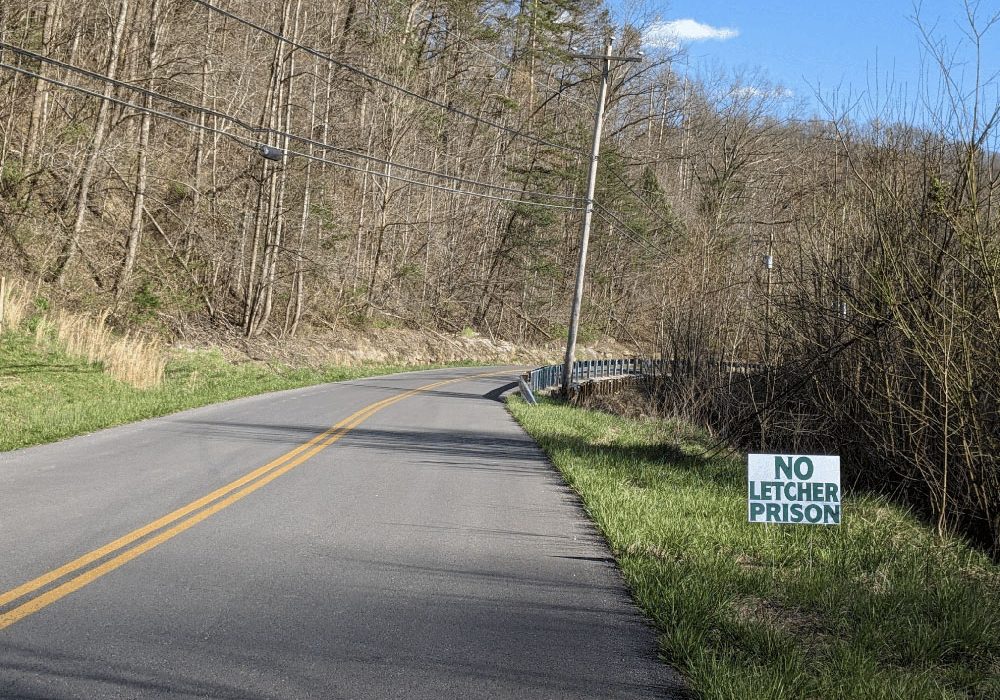
After 20 Years, Letcher County Prison Proposal Is Still Alive, Though Obstacles Remain
A $605 million proposal for a federal prison on a former strip mine site in Letcher County, Kentucky, championed by U.S. Rep. Hal Rogers, refuses to die, despite local opposition, a lack of support from the executive branch and numerous other obstacles.
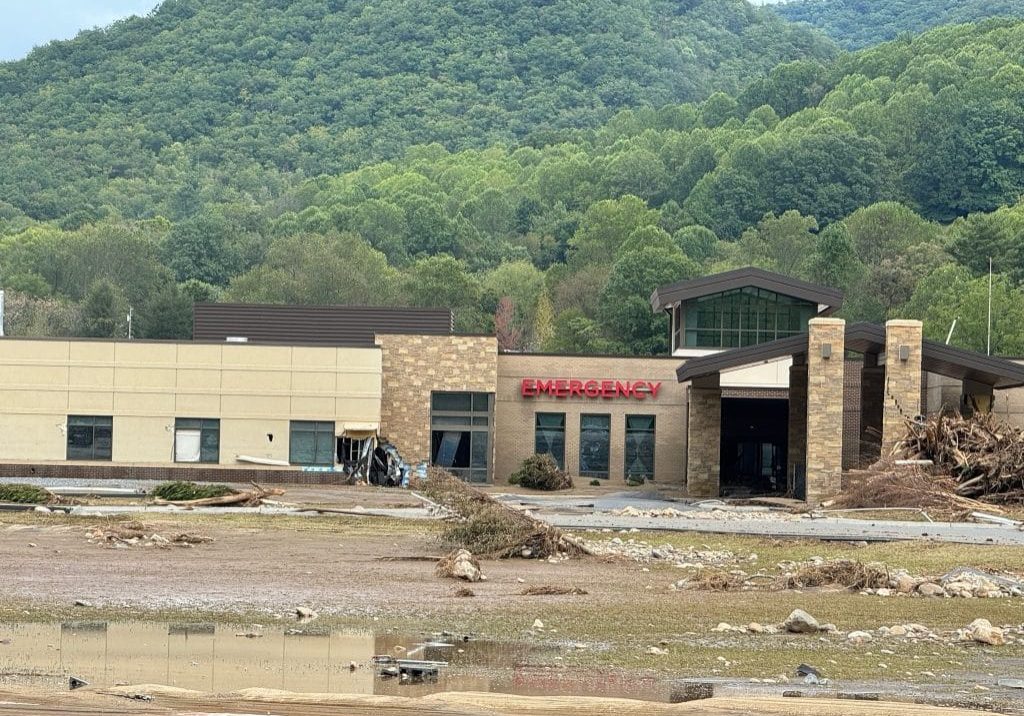
The Washout and Rebuild
For nearly two years, residents of Unicoi County, Tennessee, have had to make do without a hospital after Hurricane Helene destroyed the rural hospital. Ballad Health, which owns the hospital, broke ground on a new location — in another floodplain — in August 2026.

The Shenandoah Salamander
The Shenandoah salamander is a woodland salamander, which has adapted to life at higher elevations away from water. This sparkling rarity lives among the dry leaves, cracked logs, and stony hillocks on the highest peaks of Shenandoah National Park.

Leave a comment
Your email address will not be published. Required fields are marked *
Leave a Comment