

Build on Historic Traditions
By Dr. Jeff Boyer
Dr Boyer is a professor in the Anthropology Department and Sustainable Development Program at Appalachian State University
Peering into Appalachia’s crystal ball, 20 years out is mostly full of “ifs.” But if the current economic recession darkens our gaze, the recent election was more about hope than fear, regardless of how this person or that county voted. It means that new voices have a better chance of being heard, whether they are rural or urban, white, black, Native American or Latino. My comments come mainly from this hopeful sense about the region’s future.
We can build on the historical traditions of reciprocity and neighborliness that have long distinguished Appalachian family and community life. I hope that newcomers to the mountains learn to embrace and enrich these sharing practices. Undoubtedly our hollers, towns and cities will be more socially diverse in 20 years; therefore let’s broaden and make the “Appalachian we” as inclusive as possible.
The old mountain commons were about grazing livestock and gathering medicinal plants together in the higher elevation “open range.”
A new mountain commons should be working together to revitalize family farms, growing healthy food for ourselves and the region. We can green our energy and economy, creating new livelihoods by specializing in the manufacture of small and medium-sized technologies that are appropriate for our communities and for those in other rural areas. Appalachia’s higher educational institutions, mine included, can help by researching what is needed for this effort. By partnering with non-profits, businesses, and government, we can all help to build a more permanently sustainable economy. If we come together and do this, we could even see an appreciable restoration of the biodiversity that has been so devastated by mountaintop removal in the coal fields.
Another restoration necessary to build the inclusive “we”: Appalachia’s good traditions of welcoming the stranger, porch settin’, and listening rather than shouting past one another. Our grandchildren’s future beckons.
Related Articles
Latest News
More Stories

Signs of Life
In the Nantahala National Forest, a team of biologists spotted Indiana bats, an endangered species that hasn’t been seen in North Carolina for the last 11 years.

‘First Line of Defense’
During Hurricane Helene and its aftermath, rural fire departments and other first responder hubs played critical roles in keeping their communities safe, even without power and cut off from outside support for days or weeks after the storm. Two years later, plenty of work remains to ensure these hubs have the resources they need to operate day to day and be ready when emergencies or natural disasters strike.

The Rocky Road — and Bridge — to Recovery
Hurricane Helene is estimated to have damaged nearly 7,000 private roads and bridges in Western North Carolina. Two years later, many restoration projects are complete, but the journey hasn’t been easy — and isn’t over for others.
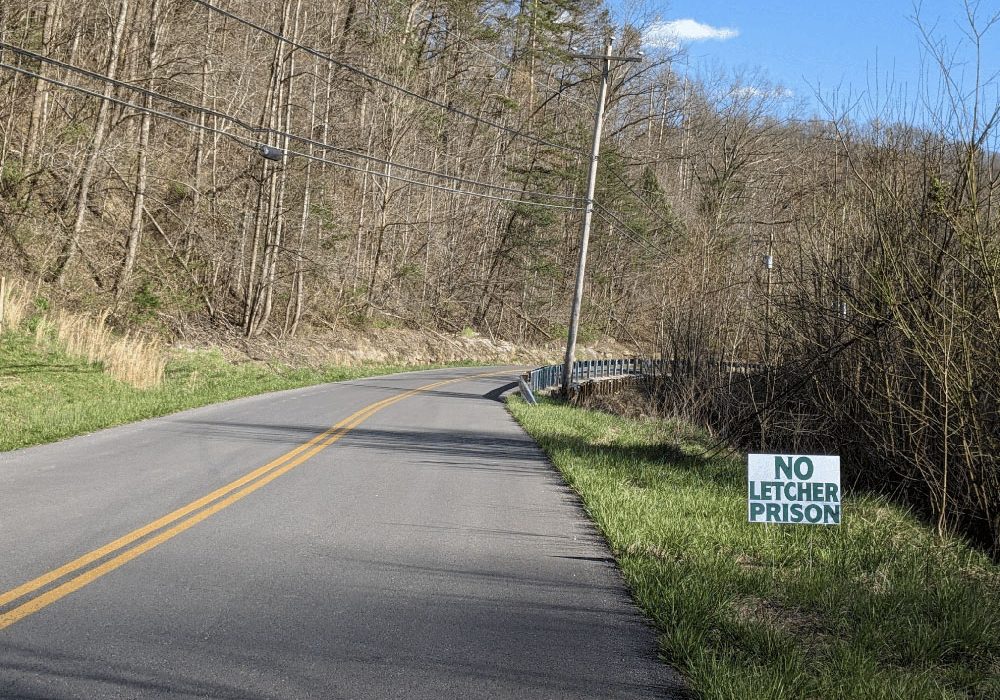
After 20 Years, Letcher County Prison Proposal Is Still Alive, Though Obstacles Remain
A $605 million proposal for a federal prison on a former strip mine site in Letcher County, Kentucky, championed by U.S. Rep. Hal Rogers, refuses to die, despite local opposition, a lack of support from the executive branch and numerous other obstacles.
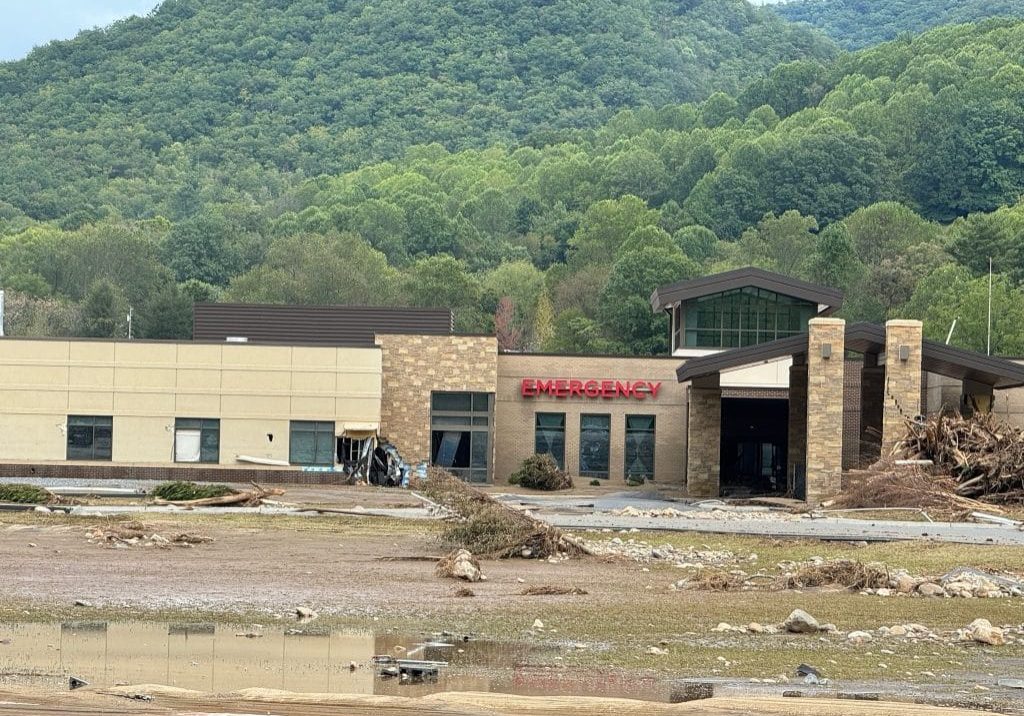
The Washout and Rebuild
For nearly two years, residents of Unicoi County, Tennessee, have had to make do without a hospital after Hurricane Helene destroyed the rural hospital. Ballad Health, which owns the hospital, broke ground on a new location — in another floodplain — in August 2026.
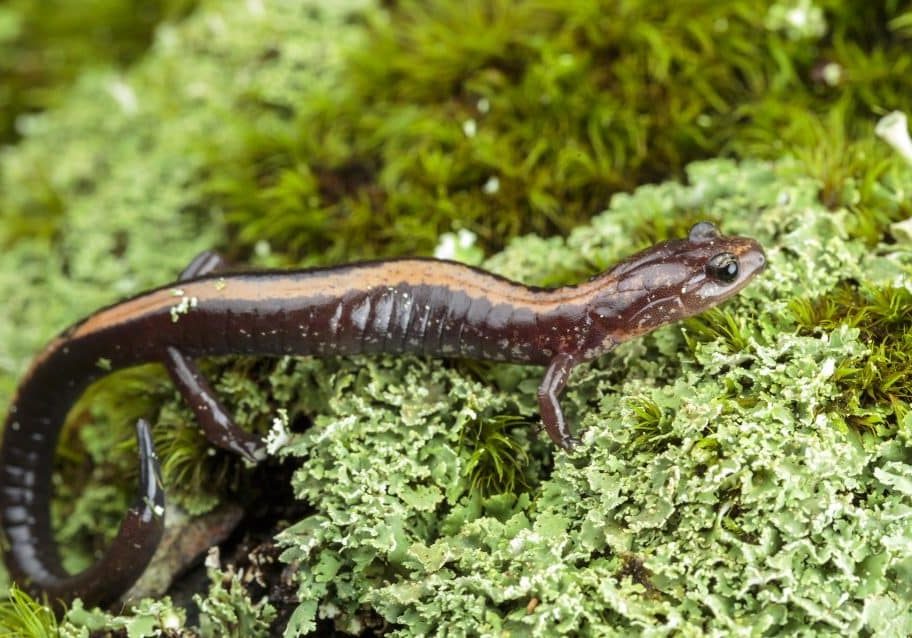
The Shenandoah Salamander
The Shenandoah salamander is a woodland salamander, which has adapted to life at higher elevations away from water. This sparkling rarity lives among the dry leaves, cracked logs, and stony hillocks on the highest peaks of Shenandoah National Park.

Leave a comment
Your email address will not be published. Required fields are marked *
Leave a Comment