

Appalachian Voices Is Earthfare’s December Friend of the Month
Appalachian Voices has always been a friend of the earth, but now we’re also a friend of Earthfare.
For the entire month of December, Appalachian Voices will be the featured organization of Earthfare’s Friend of the Month program in Boone, NC. Throughout the month, special fundraising events will take place at Earthfare’s Boone location, all proceeds of which will be donated directly to Appalachian Voices. In addition, each time a shopper brings their own grocery bags to use at the Boone store rather than taking a new plastic or paper bag, Earthfare will donate 10 cents to Appalachian Voices.
During the month, there will be two special events:
— Gingerbread house making on December 6;
— Bingo night on Thursday, December 11 from 6 to 8pm, which will feature $1 cards and delicious Earthfare goodies as prizes;
Earthfare, a regional natural and organic foods market based in Asheville, NC, gives thousands of dollars annually to small non-profit organizations through their Friends of Earthfare project. Their award-winning bag recycling program, in which 10 cents is donated to the Friend of the Month for each bag saved, helps conserve non-renewable resources used in the production of both paper and plastic bags, and positively impacts the health of the community through its support.
For more information, please contact [email protected] or call 828-262-1500.
Bobby Kennedy Speaks At Open House
By Sarah Vig
In late October, the small, university town of Boone, NC was graced with the closest thing to environmental celebrity short of Al Gore. Through joint funding from Appalachian Voices and Appalachian State University, Bobby Kennedy Jr., son of 1968 presidential candidate Robert F. Kennedy and prominent environmental lawyer, gave a public lecture at ASU’s Farthing auditorium to a packed house.
The lecture focused on the fundamental connection between the core values of democracy and environmental protection. Kennedy currently serves as the chairperson for the Waterkeeper Alliance, and much of his focus was on the importance of protecting waterways. Waterways are one of a number of “public trust resources,” that Kennedy believes need to be sheltered from privatization and exploitation by private interests.
Kennedy also made an appearance at the Appalachian Voices’ office during his visit to Boone. Speaking to a crowd of 30 or so Appalachian Voices’ supporters, Kennedy commended the non-profit’s work on environmental issues, especially in the fight to end mountain top removal mining. Kennedy said the group had given “new spirit of democracy and revolution” to the people of Appalachia.
Appalachian Voices en Español?
An Open Letter to English and Spanish-speaking Communities
By Jorge L. Esquivel (koki)
Programs Associate
[email protected]
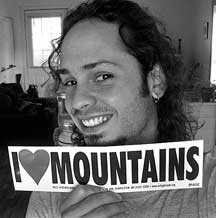
These days, in which globalization has reached previously unfathomable levels, and the United States has an increasing Hispanic population (already at 15 percent), it is a necessary to answer with personnel that can understand the great Hispanic cultural diversity that continues to enrich this country. Appalachian Voices answers today by hiring a new staff member with diverse perspectives.
My name is Jorge Luis Esquivel Sibaja, though I am known as Koki (a Latin-American nickname for Jorge). I am a native of Costa Rica and I have been a resident of Boone for four years. I have been a part of the organization’s staff since October. My goal is not only helping with research and gathering information but also to incorporate new and fresh ideas with a different cultural perspective. I also intend to incorporate the social and environmental issues of the Latino community residing in the Appalachia, who are also being affected by air and water pollution caused by mountaintop removal coal mining practices and coal-fired power plants in the eastern United States. I feel it is very important that the Latino community gets involved in the fight for cleaner air and water, because they are affected throughout the Appalachian region.
I have a M.S. in Biology from Appalachian State University, a B.S. in Tropical Biology (Universidad Nacional, Costa Rica) and a B.S. in Protection and Management of Natural Resources (Universidad Estatal a Distancia, Costa Rica).
It is a pleasure to be part of this great, passionate and talented team, and it is an honor for me to be part of the fight for a better environment in these beautiful Appalachian Mountains that belong to all of us.
En estos días en que la globalización ha alcanzado puntos inimaginables y en que los Estados Unidos de América cuentan con una población hispana creciente del 15%, es hoy una necesidad contar con personal que pueda desenvolverse en el ambito, tomando en cuenta las diversas culturas hispanas que enriquecen a este país. Appalachian Voices responde hoy con la contratación de un nuevo miembro en el grupo de trabajo con perspectivas diferentes.
Mi nombre es Jorge Luis Esquivel Sibaja, más conocido como Koki (apodo Latinoamericano para Jorge). Soy nativo de Costa Rica y residente de Boone, Carolina del Norte desde hace ya 4 años. Formo parte del grupo de trabajo de la organización desde el mes de Octubre, con el objetivo no solo de ayudar en la parte de investigación y búsqueda de información pero también incorporando ideas nuevas y una perspectiva diferente. Yo pretendo ayudar a la comunidad Latina involucrando a aquellos que se estén viendo afectados en la parte social y de contaminación ambiental; como contaminación del agua y el aire por minería de carbón a cielo abierto llamada Mountain Top
Removal (MTR) en el Este de los Estados Unidos. Es muy importante que nuestra comunidad Latina se involucre en la pelea por nuestro aire y agua ya que también se está viendo afectada por las destructivas prácticas de minería, por contaminantes en el aire y por contaminación de agua en las comunidades de los Apalaches. Cuento con una maestría en Biología (Appalachian State University), un bachillerato en Biología Tropical (Universidada Nacional, Costa Rica) y un bachillerato en Manejo y Protección de Recursos Naturales (Universidad Estatal a Distancia, Costa Rica) como capacitación para mi trabajo.
Es un placer formar parte de este gran y talentoso grupo y es un honor ser parte de la lucha por un mejor ambiente en estas hermosas montañas de los Apalaches que nos pertenecen a todos.
Related Articles
Latest News
More Stories

Signs of Life
In the Nantahala National Forest, a team of biologists spotted Indiana bats, an endangered species that hasn’t been seen in North Carolina for the last 11 years.

‘First Line of Defense’
During Hurricane Helene and its aftermath, rural fire departments and other first responder hubs played critical roles in keeping their communities safe, even without power and cut off from outside support for days or weeks after the storm. Two years later, plenty of work remains to ensure these hubs have the resources they need to operate day to day and be ready when emergencies or natural disasters strike.

The Rocky Road — and Bridge — to Recovery
Hurricane Helene is estimated to have damaged nearly 7,000 private roads and bridges in Western North Carolina. Two years later, many restoration projects are complete, but the journey hasn’t been easy — and isn’t over for others.
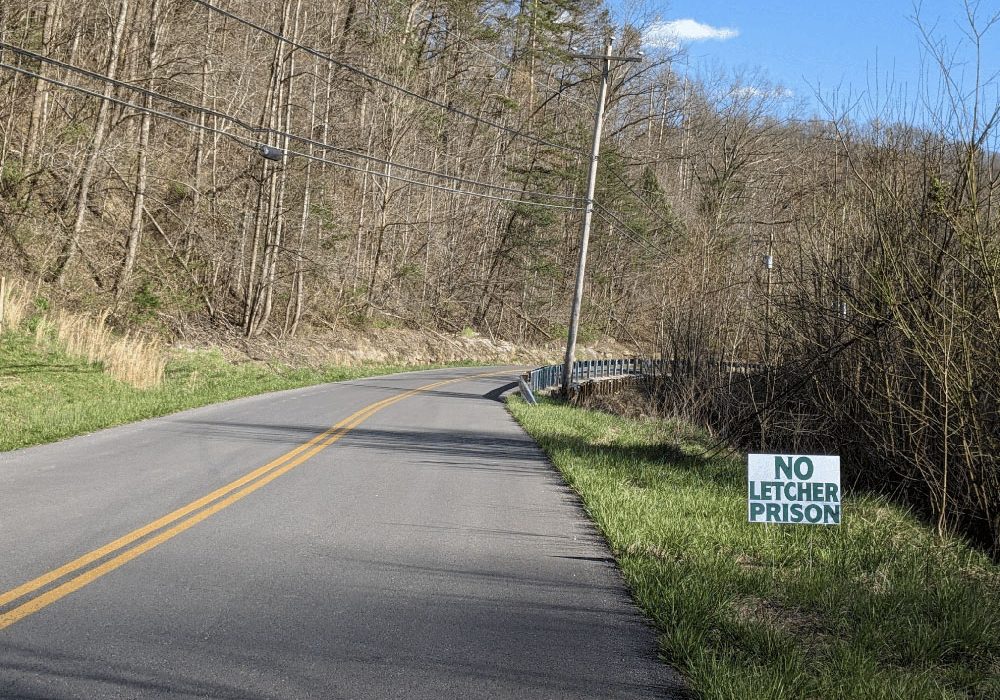
After 20 Years, Letcher County Prison Proposal Is Still Alive, Though Obstacles Remain
A $605 million proposal for a federal prison on a former strip mine site in Letcher County, Kentucky, championed by U.S. Rep. Hal Rogers, refuses to die, despite local opposition, a lack of support from the executive branch and numerous other obstacles.
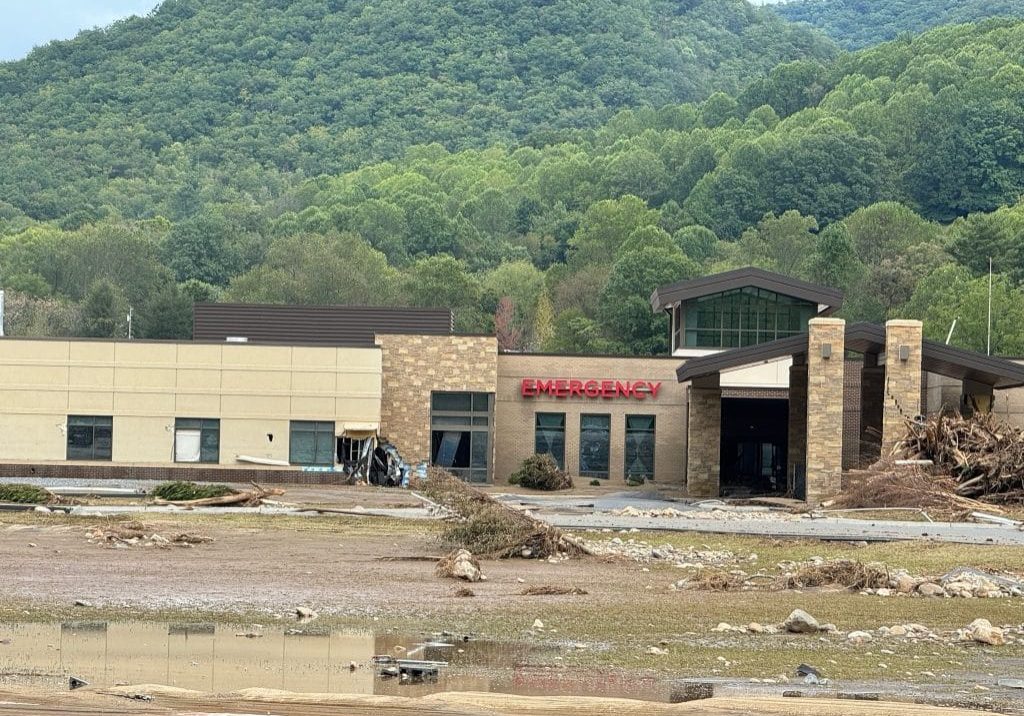
The Washout and Rebuild
For nearly two years, residents of Unicoi County, Tennessee, have had to make do without a hospital after Hurricane Helene destroyed the rural hospital. Ballad Health, which owns the hospital, broke ground on a new location — in another floodplain — in August 2026.
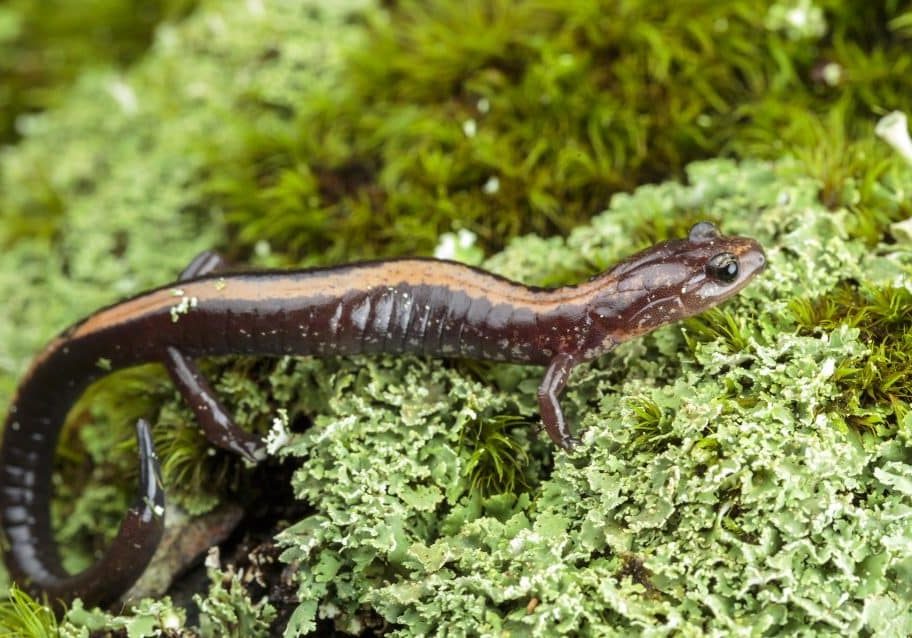
The Shenandoah Salamander
The Shenandoah salamander is a woodland salamander, which has adapted to life at higher elevations away from water. This sparkling rarity lives among the dry leaves, cracked logs, and stony hillocks on the highest peaks of Shenandoah National Park.

Leave a comment
Your email address will not be published. Required fields are marked *
Leave a Comment