
Cleaning Up Coal Ash

For well over a century, power plants across the country have burned coal to generate electricity. And for just as long, leftover coal ash has been dumped in open, unlined pits near the power plant, usually located on a river or lake. Every year, U.S. power plants produce 130 million tons of coal ash, which is the second largest waste stream in the country after municipal garbage.
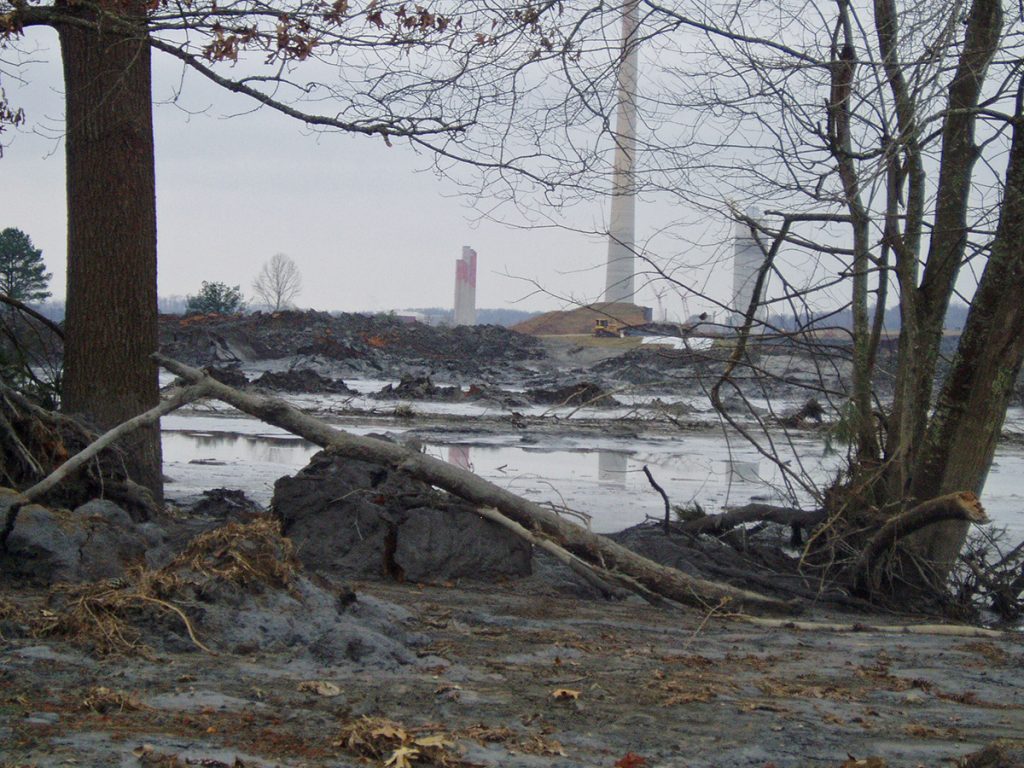
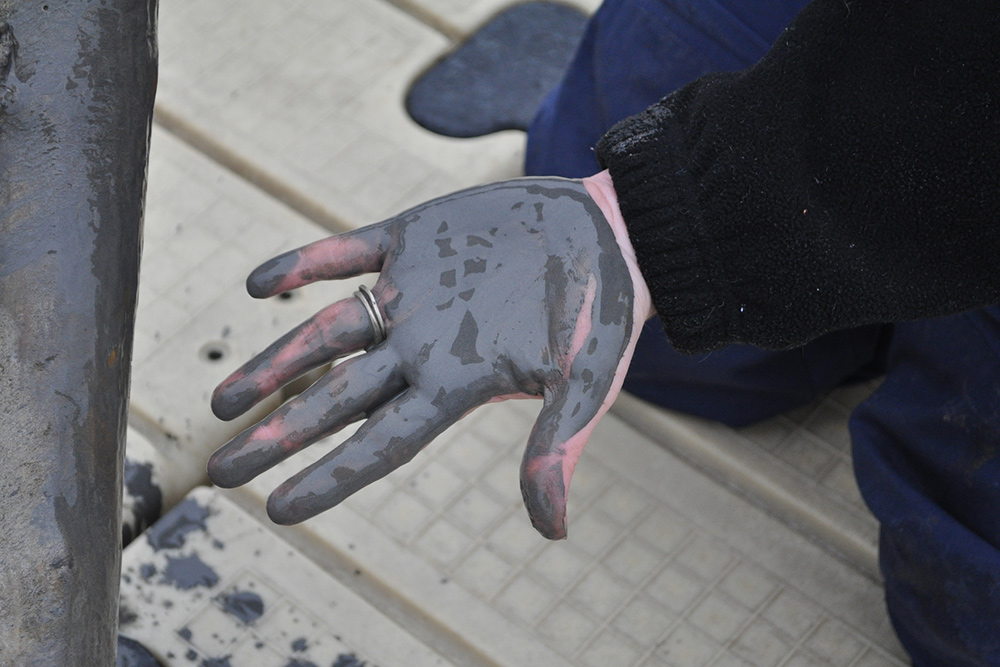
Coal ash concentrates the toxic heavy metals found in coal, including arsenic, mercury, lead and selenium. Stored in unlined, wet impoundments, coal ash has been leaking these toxics into our groundwater and surface waters for years. Sometimes these impoundments collapse — with disastrous results.
Yet government regulations for coal ash management are either non-existent or sparse, and there is little enforcement of the regulations that do exist. In North Carolina, this lack of oversight — and the complicity between state regulators, elected officials and Duke Energy — came to a boiling point in February 2014 when one of Duke’s coal ash impoundments spilled 39 million tons of ash into the Dan River.

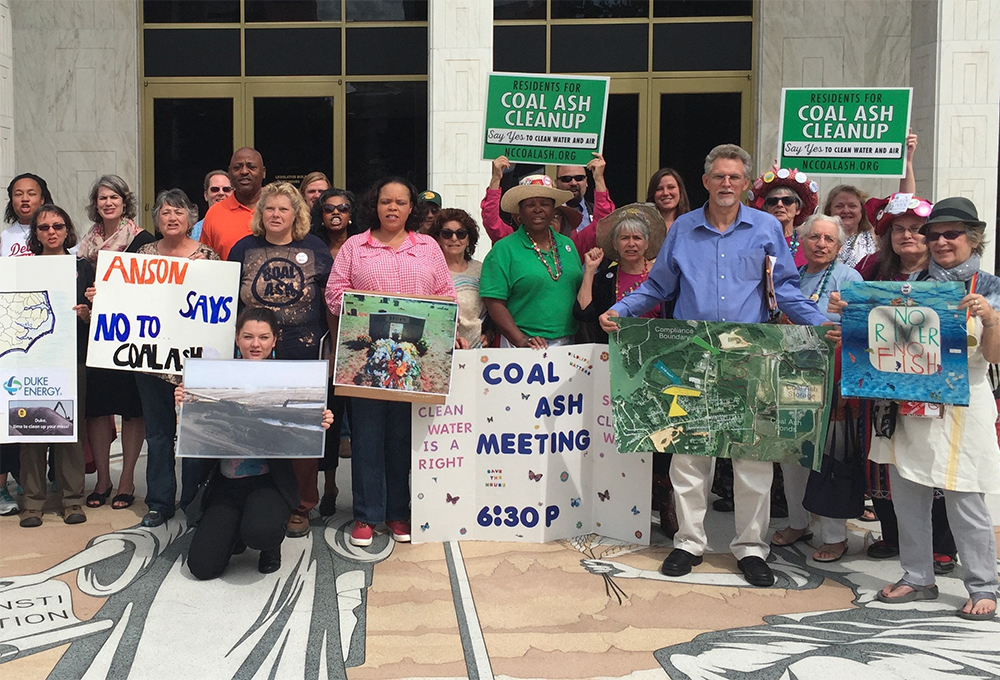
Citizens living near North Carolina’s 33 coal ash impoundments — all of which have leaked — have fought for transparency from Duke and the state, and for cleanup of the pollution that threatens their property value, health and family. Their actions forced this issue into the headlines of news networks and to the forefront of environmental justice conversations in the United States.
Appalachian Voices stood with these communities as we worked for years to compel Duke Energy and the N.C. Department of Environmental Quality to excavate coal ash from all the North Carolina sites and dispose of it either in lined, dry landfills, away from waterways, or by recycling it for concrete or other uses, provided it’s done in a manner that protects public health and the environment.
On Jan. 2, 2020, North Carolina announced a historic settlement with one of the state’s most powerful corporations and polluters, Duke Energy. The settlement requires Duke to move nearly 80 million tons of toxic coal ash at six of its power plants to properly lined landfills onsite or recycle it.
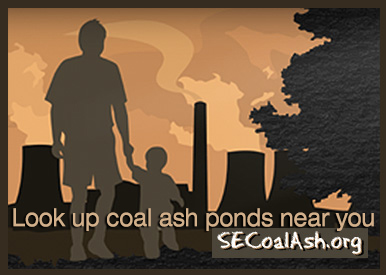
Learn information about specific coal ash impoundments in the South, including health threats and safety ratings:

Additional Resources
Fact sheets, videos, links to academic research, and more
Sign Up to Act
Help us protect the health of our communities and waterways.
Latest News
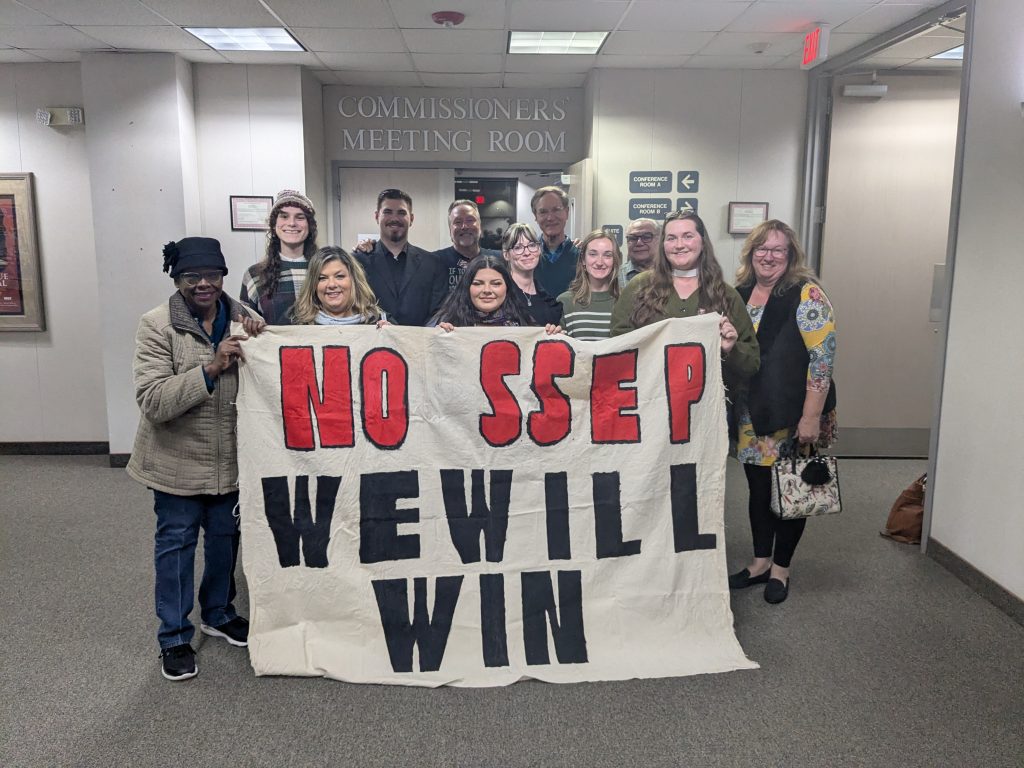
Davidson County Board of Commissioners passes resolution expressing concern on Transco’s SSEP
The Davidson County Board of Commissioners passed a resolution expressing concern around the proposed Southeast Supply Enhancement Project.
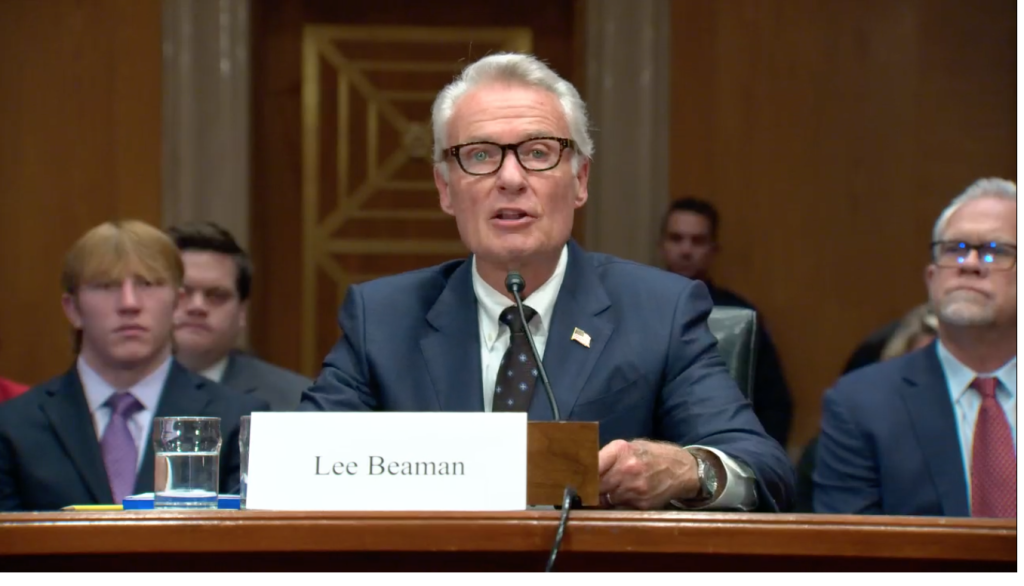
After hearing, Appalachian Voices says senators should reject controversial TVA board nominee Beaman
“How can any senator take this nomination seriously? The people of the Tennessee Valley deserve better,” said Director of Public Power Campaigns Bri Knisley.
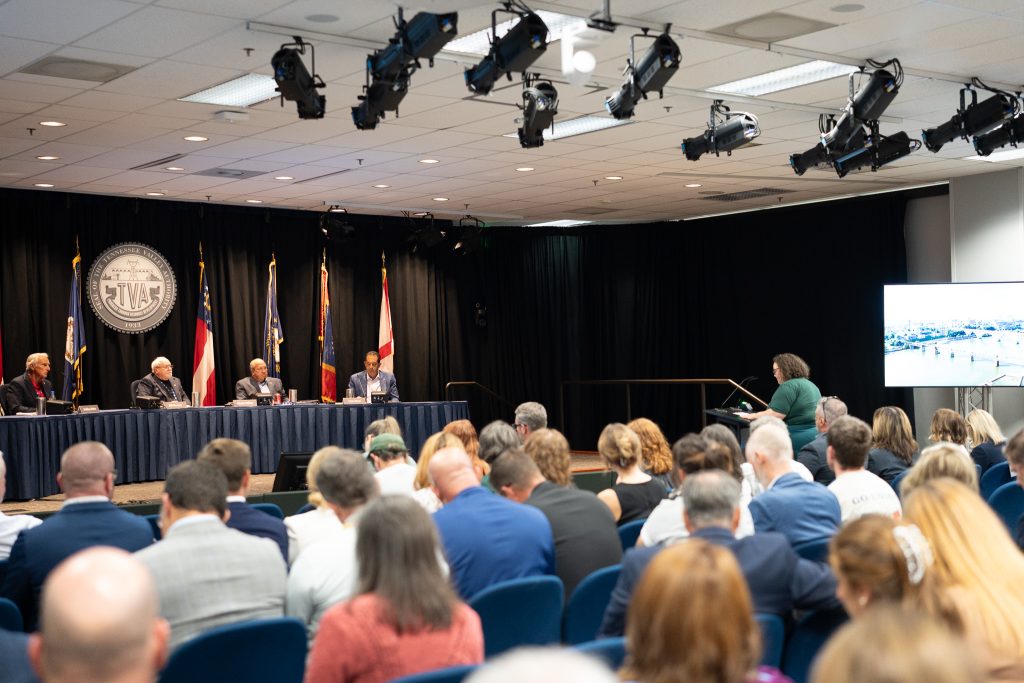
Appalachian Voices applauds introduction of legislation to increase public participation in Tennessee Valley Authority planning process
The TVA Increase Rate of Participation Act proposes changes to increase public participation in the federally owned utility’s integrated resource planning process, while also requiring the utility to take into account certain factors to ensure the plan will result in sustainable, reliable and affordable energy for people in the Tennessee Valley region.
Appalachian Voices urges senators to deny confirmation of Lee Beaman to TVA board
On Wednesday, Dec. 3, the Senate Environment and Public Works Committee will hold a hearing to consider Lee Beaman for the Tennessee Valley Authority Board of Directors.

Trump administration to reconsider black lung protection rule, costing more miners’ lives
The rule should have gone into effect to start protecting workers last April, but in a filing Wednesday, the administration said it is starting a new, “limited” rulemaking.
Feeling Powerless on Their Own Property
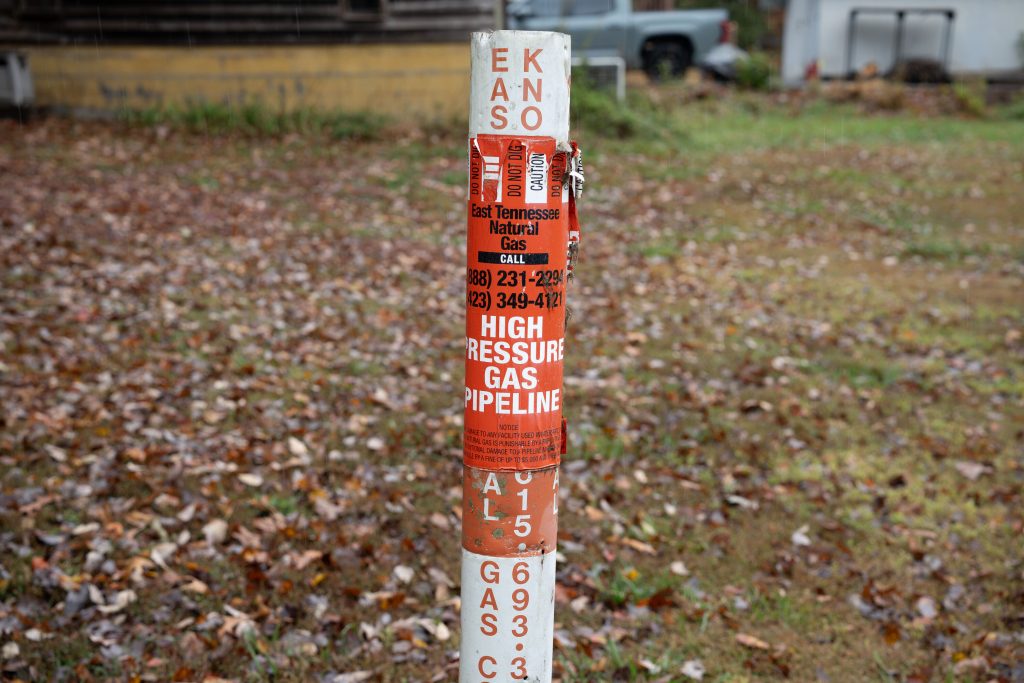
Many landowners, neighbors and community advocates are contending with the massive buildout of methane gas — dubbed “natural gas” by the fossil fuel industry — in Tennessee. This huge increase in gas infrastructure is driven in large part by the Tennessee Valley Authority.