
Cleaning Up Coal Ash

For well over a century, power plants across the country have burned coal to generate electricity. And for just as long, leftover coal ash has been dumped in open, unlined pits near the power plant, usually located on a river or lake. Every year, U.S. power plants produce 130 million tons of coal ash, which is the second largest waste stream in the country after municipal garbage.
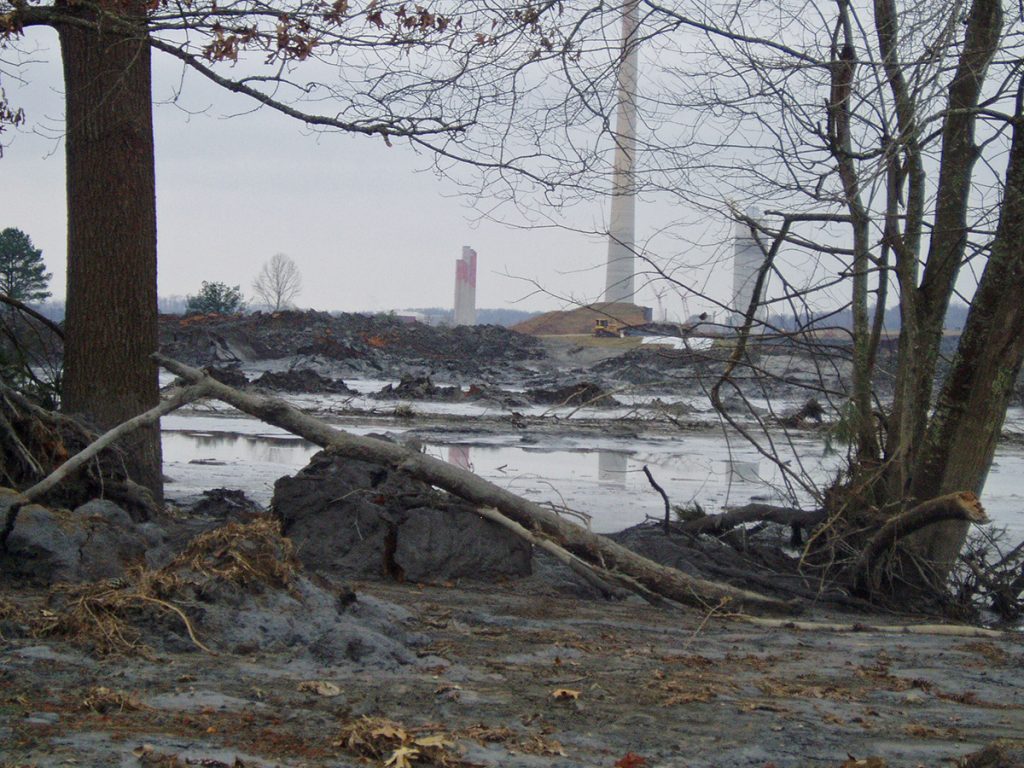
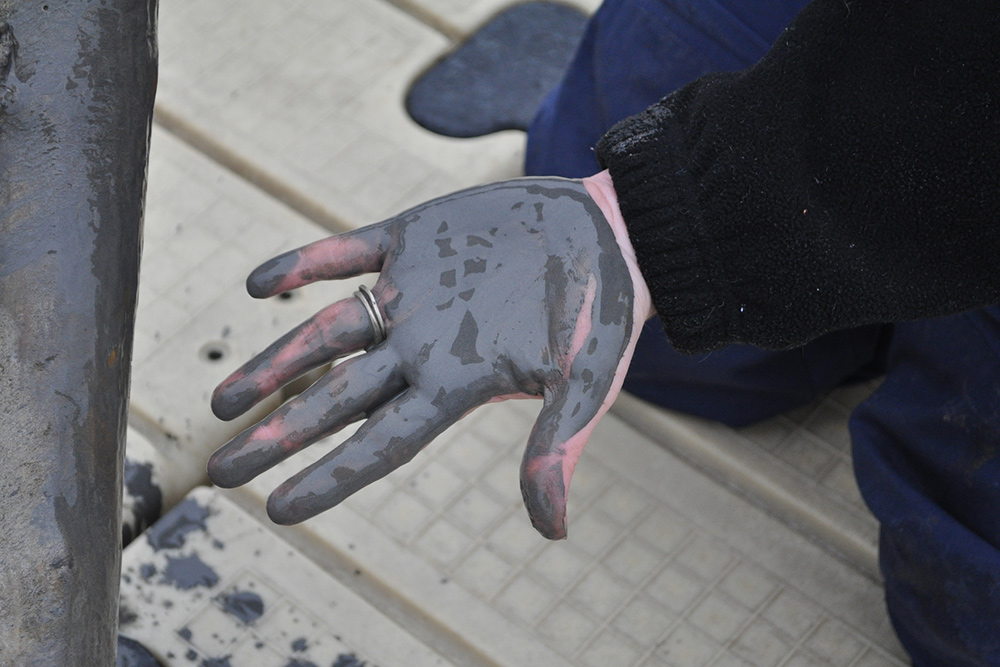
Coal ash concentrates the toxic heavy metals found in coal, including arsenic, mercury, lead and selenium. Stored in unlined, wet impoundments, coal ash has been leaking these toxics into our groundwater and surface waters for years. Sometimes these impoundments collapse — with disastrous results.
Yet government regulations for coal ash management are either non-existent or sparse, and there is little enforcement of the regulations that do exist. In North Carolina, this lack of oversight — and the complicity between state regulators, elected officials and Duke Energy — came to a boiling point in February 2014 when one of Duke’s coal ash impoundments spilled 39 million tons of ash into the Dan River.

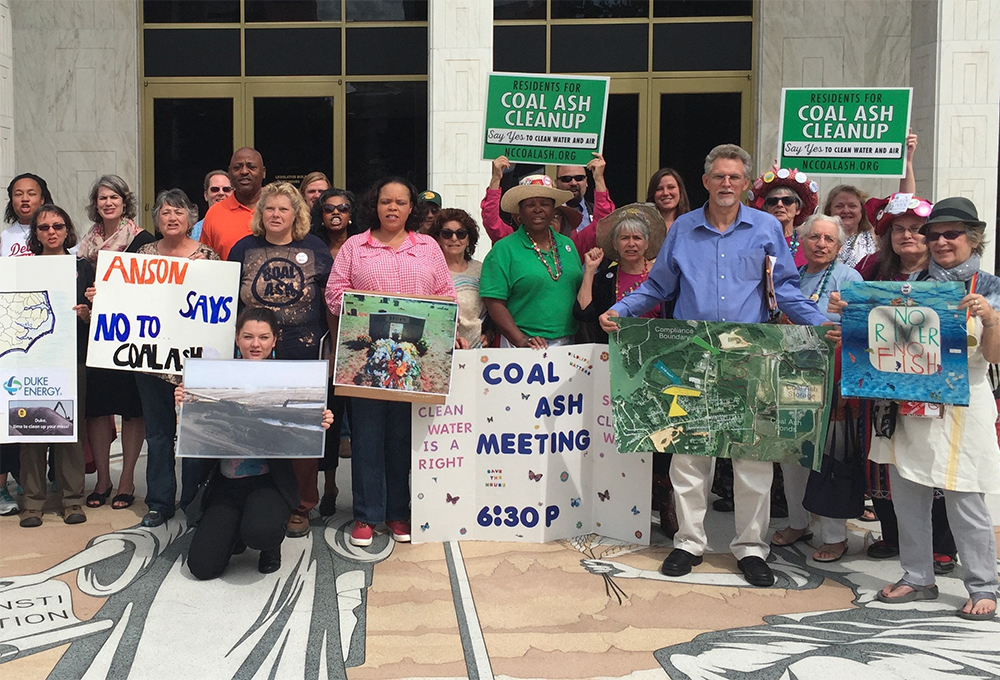
Citizens living near North Carolina’s 33 coal ash impoundments — all of which have leaked — have fought for transparency from Duke and the state, and for cleanup of the pollution that threatens their property value, health and family. Their actions forced this issue into the headlines of news networks and to the forefront of environmental justice conversations in the United States.
Appalachian Voices stood with these communities as we worked for years to compel Duke Energy and the N.C. Department of Environmental Quality to excavate coal ash from all the North Carolina sites and dispose of it either in lined, dry landfills, away from waterways, or by recycling it for concrete or other uses, provided it’s done in a manner that protects public health and the environment.
On Jan. 2, 2020, North Carolina announced a historic settlement with one of the state’s most powerful corporations and polluters, Duke Energy. The settlement requires Duke to move nearly 80 million tons of toxic coal ash at six of its power plants to properly lined landfills onsite or recycle it.
Learn information about specific coal ash impoundments in the South, including health threats and safety ratings:

Additional Resources
Fact sheets, videos, links to academic research, and more
Sign Up to Act
Help us protect the health of our communities and waterways.
Latest News

Virginia Natural Gas rate hike approved despite disproportionate harm to low-income ratepayers
Ultimately, the commission approved a lower rate increase than VNG initially proposed, accepting the modified revenue requirement stipulated to by both VNG and SCC staff. But the commission stopped short of requiring the company to take any steps to protect low-income and historically marginalized communities from suffering disproportionate burdens due to the rate hike.
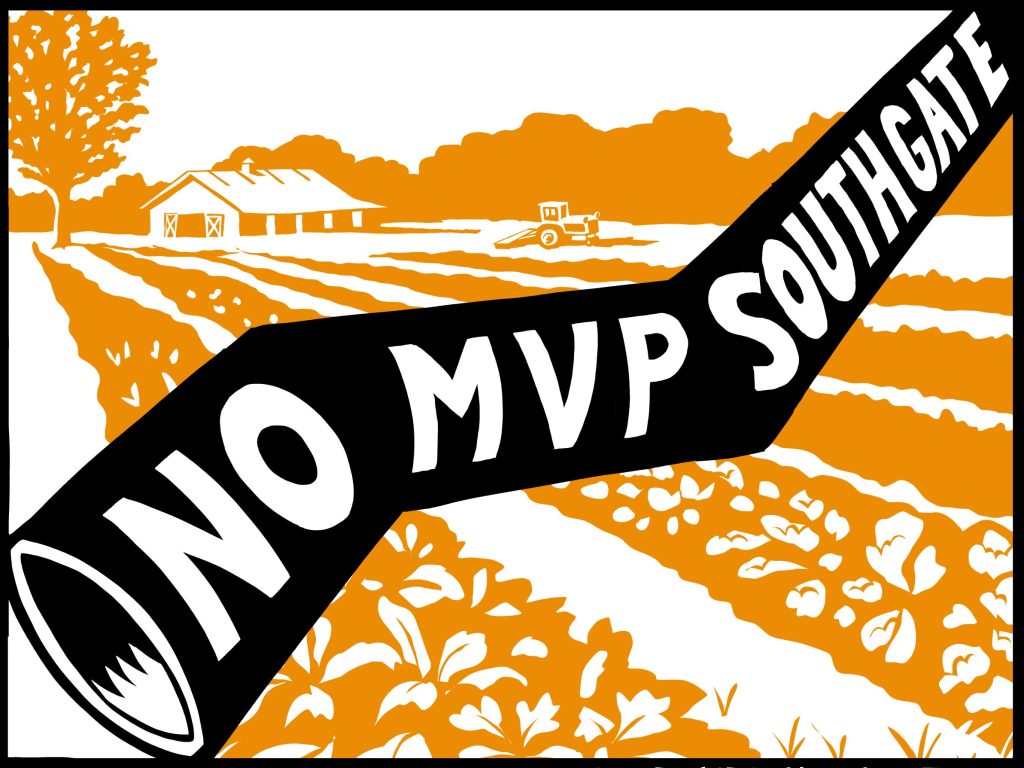
FERC approves Southgate pipeline amendment to change route, gas capacity
Today, the Federal Energy Regulatory Commission announced its approval of an amendment to change the route, pipe diameter and gas-carrying capacity for the methane-gas pipeline Mountain Valley Pipeline Southgate, proposed for Virginia and North Carolina.

Low-income energy assistance program weathers a bumpy year
For decades, LIHEAP has provided utility assistance to an estimated six million Americans each year, helping families and individuals stay safe and warm during the brutally cold winter months. But this important, bipartisan federal assistance program has faced numerous attacks and uncertainty in recent months, threatening its long-term viability.
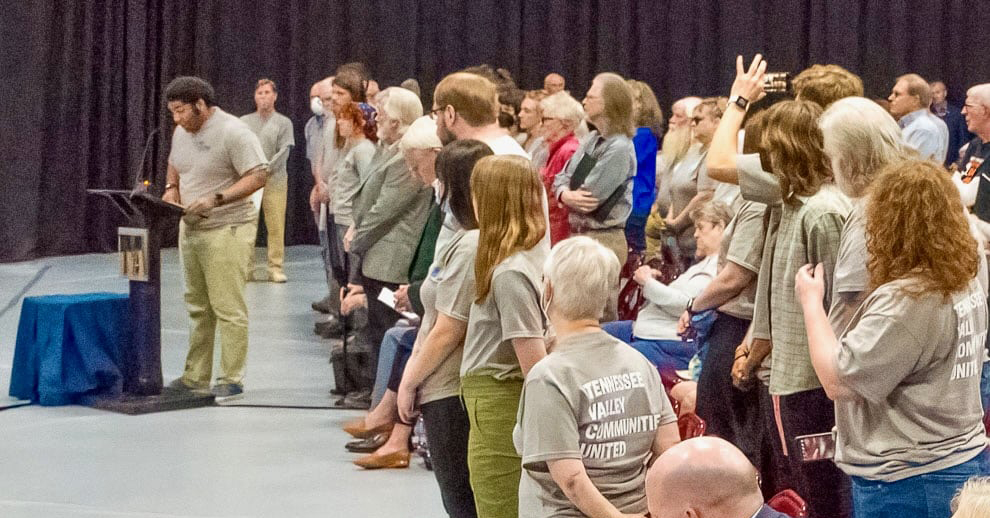
Trump nominees could sell TVA to the highest bidder
You may know the Tennessee Valley Authority as the largest federally owned electric utility. But its role is much broader than simply providing power in the Tennessee Valley.
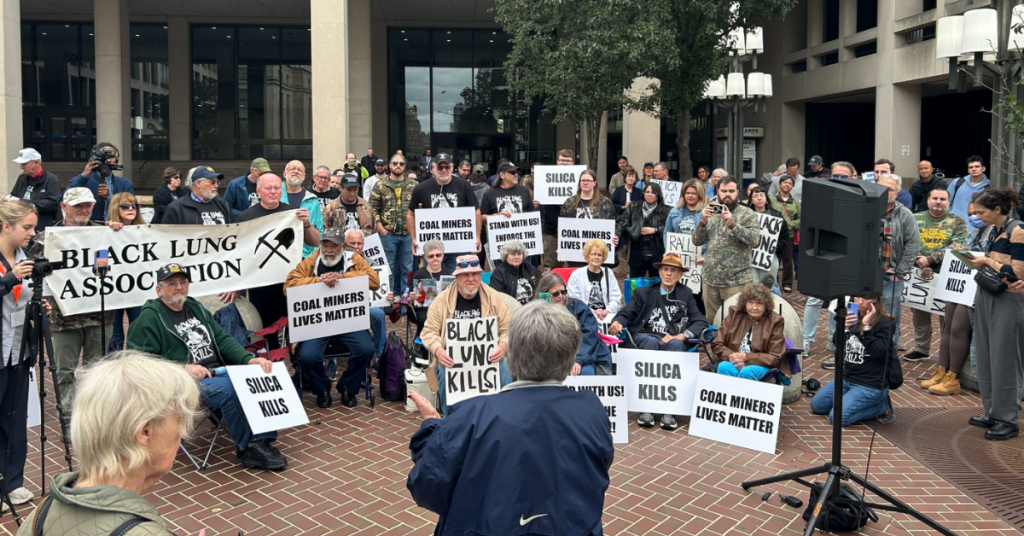
Members of Congress introduce two bills to help coal miners access black lung benefits
Today, U.S. senators and representatives introduced two bills to help coal miners with black lung disease apply for medical and disability benefits, while also raising the amount miners with black lung and their families receive in disability benefits each month.
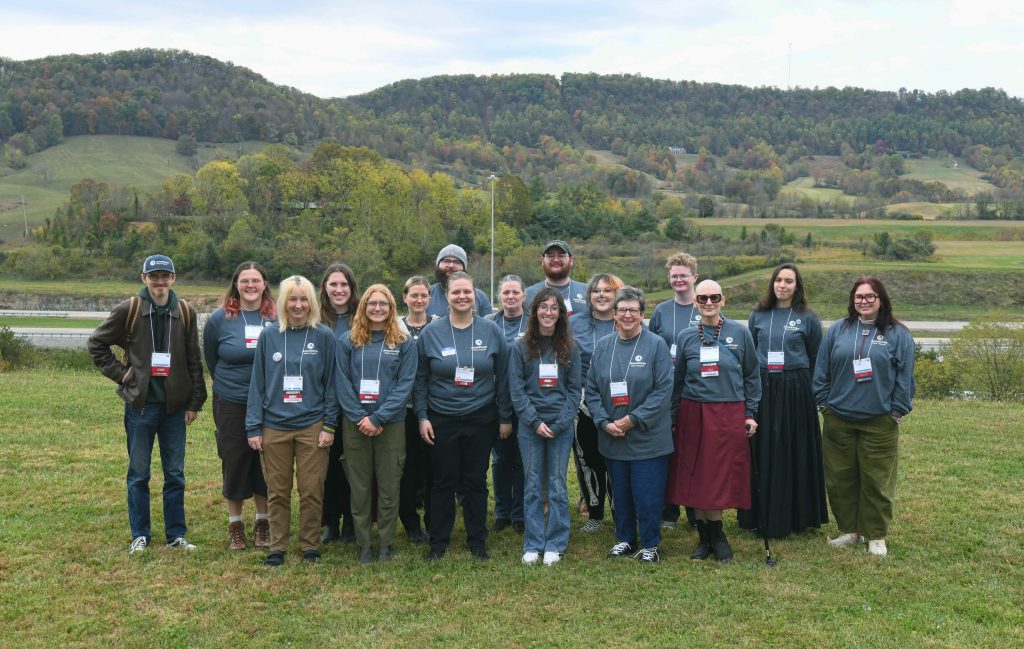
‘Living the AmeriCorps Dream’?
Hundreds of projects throughout Appalachia received support from AmeriCorps national service members this year before the agency became the target of the so-called Department of Government Efficiency in April. The White House cancelled $400 million in AmeriCorps grants unilaterally, forcing some programs to immediately wrap for the year. Some states later had funding restored after a lawsuit led by attorneys general, and the next cycle of grants from the program is expected to continue this year.