
The Appalachian Voice
Tracking the Trails of a Reinspired History
By Kimber Ray Hundreds of miles of driving and recreation trails criss-cross southwest Virginia’s rolling green acres of mountains, stitching together a quilt of gushing streams, hidden and remarkable wildlife, raw coal mines, spirited music and welcoming, resilient towns. The unique history of southwest Virginia is a seasoned patchwork of distinct communities with a shared…
Read MoreN.C. General Assembly to Consider Coal Ash
By Brian Sewell In the first North Carolina legislative session since a Duke Energy coal ash pond spilled 39,000 tons of toxic ash into the Dan River, two lawmakers introduced a bill based on Gov. Pat McCrory’s coal ash cleanup proposal. The governor’s proposal mirrors previous recommendations made by the utility itself, and State Senator…
Read MoreFacing the Frontier: Practical Considerations for Genetic Modification in Appalachian Food
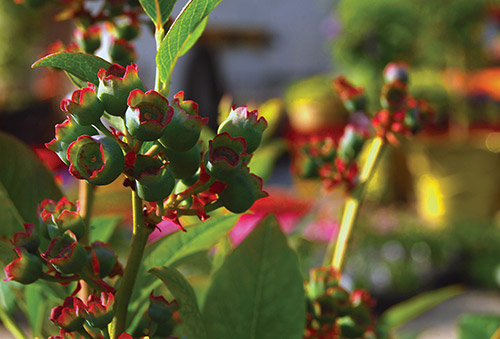
By Valerie Bruchon It sounds perfect: enter a laboratory, change one quality of a food crop through genetic technology, and walk away having created a “miracle” food source to help feed the world. This new crop might eradicate the need for destructive or unsustainable farming practices, or it could make farmland more productive by packing…
Read MoreMurky Rules Raise Questions About Coal Ash Minefill
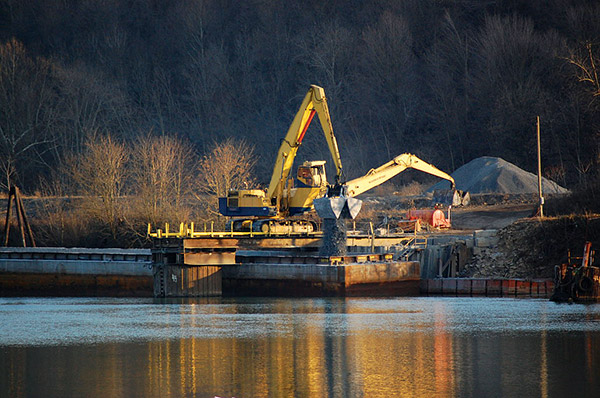
By Brian Sewell When FirstEnergy Corporation announced plans last year to close Little Blue Run coal ash pond, a 1,700-acre unlined basin that sits along the banks of the Ohio River, nearby residents were understandably relieved. But not everyone was celebrating. The coal ash still has to go somewhere, and the Bruce Mansfield coal plant…
Read MoreDoubts Follow Elk River Contamination
By Kimber Ray Four months after a Freedom Industries chemical tank contaminated the water of approximately 300,000 West Virginia residents this past January, only 36 percent of those residents were drinking their tap water, according a survey released in May by the Kanawha-Charleston Health Department. The affected private utility, West Virginia American Water Company, is…
Read MoreCommunities Pursue Revitalization Plans
By Carvan Craft Convenient access to local food can be a rare commodity in rural communities. Thanks to the Appalachian Livable Communities grant program, founded in 2012, five Appalachian communities will receive a shared total of $375,000 to help make local food projects a reality. The grant will fund a new agricultural education facility for…
Read MoreAcrobats of the Forest: The Eastern Gray Treefrog

By Meredith Warfield It’s mating season in Appalachia, and the region’s deciduous forests are humming with life. Birdsongs may be heard by day, but by night the Eastern gray treefrogs have hopped out of the branches and flocked to nearby ponds, where they can be heard singing their melodic love songs in hopes of attracting…
Read MorePreserving the “Heart of Appalachia”
By Kimber Ray Tracking the Trails of a Reinspired History Clinch Water Revival: Ecotourism on the River | River Access: A Community Effort Hiking the Highlands: Streamside Technology in the Clinch River Valley When a developer from New York told Charlie McConnell, the founder of a music venue in Coeburn, Va., that the best asset…
Read MoreHigh Courts Support Air Pollution Standards
By Brian Sewell A series of recent court rulings have supported air pollution standards proposed by the U.S. Environmental Protection Agency, adding to the challenges facing utilities that rely heavily on coal. In April, a federal appeals court upheld the EPA’s Mercury and Air Toxics Standard, a rule finalized in 2011 targeting emissions of mercury…
Read MoreConfronting Carbon Pollution
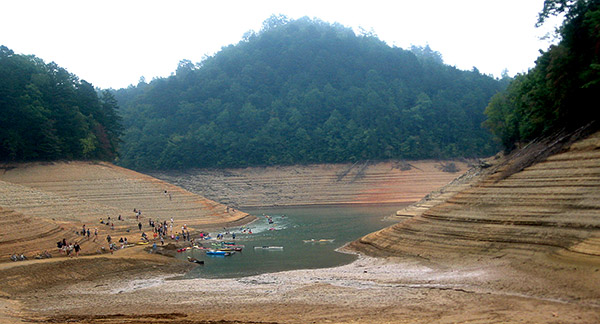
By Molly Moore Six months after declaring “climate change is a fact,” in his State of the Union address, President Obama prepared to unveil what The New Yorker calls “the policy centerpiece of his second term.” The U.S. Environmental Protection Agency guidelines that he was poised to announce at press time will put in motion…
Read More