

By Brian Sewell
In the first North Carolina legislative session since a Duke Energy coal ash pond spilled 39,000 tons of toxic ash into the Dan River, two lawmakers introduced a bill based on Gov. Pat McCrory’s coal ash cleanup proposal. The governor’s proposal mirrors previous recommendations made by the utility itself, and State Senator Tom Apodaca (R-Henderson) has said McCrory’s plan does not go far enough. Apodaca plans to introduce a separate bill, and other lawmakers have also discussed legislation.
Disagreement regarding coal ash management also surfaced amongst shareholders at Duke Energy’s annual meeting. More than 200 protesters gathered outside to denounce the utility’s plan to charge customers for the cost of cleaning up all but two of its coal ash ponds. The estimated costs range from $5 billion to $10 billion, which could raise average household bills by more than $20 per month.
Kentucky Pipeline Proposal Suspended
The controversial Bluegrass Pipeline project lost its luster in April after the project’s backers suspended investment due to a lack of customers to buy the natural gas liquids the pipeline promised to carry. The Williams Company previously said it would put the project on hold for a year while it looked for customers.
Obama Unveils Efforts to Expand Solar Efficiency
President Obama directed the U.S. Department of Energy to improve efficiency in affordable housing, set stronger efficiency standards for commercial appliances and strengthen building codes. The Energy Department will also expand the Solar Instructor Training Network through community colleges with a goal of training 50,000 workers by 2020.
Related Articles
Latest News
More Stories

Signs of Life
In the Nantahala National Forest, a team of biologists spotted Indiana bats, an endangered species that hasn’t been seen in North Carolina for the last 11 years.

‘First Line of Defense’
During Hurricane Helene and its aftermath, rural fire departments and other first responder hubs played critical roles in keeping their communities safe, even without power and cut off from outside support for days or weeks after the storm. Two years later, plenty of work remains to ensure these hubs have the resources they need to operate day to day and be ready when emergencies or natural disasters strike.

The Rocky Road — and Bridge — to Recovery
Hurricane Helene is estimated to have damaged nearly 7,000 private roads and bridges in Western North Carolina. Two years later, many restoration projects are complete, but the journey hasn’t been easy — and isn’t over for others.
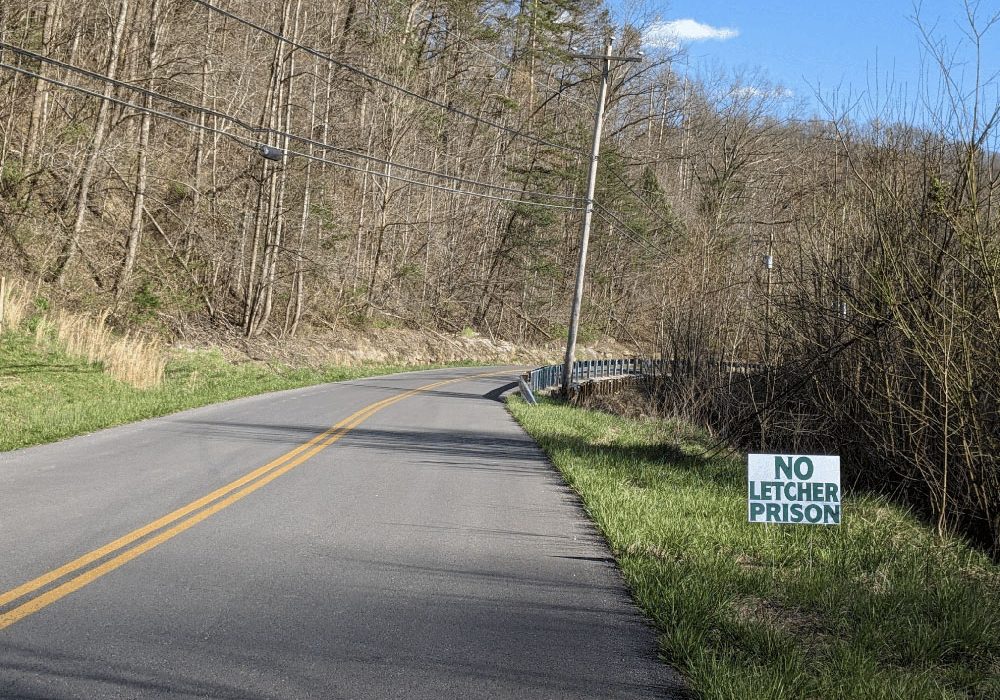
After 20 Years, Letcher County Prison Proposal Is Still Alive, Though Obstacles Remain
A $605 million proposal for a federal prison on a former strip mine site in Letcher County, Kentucky, championed by U.S. Rep. Hal Rogers, refuses to die, despite local opposition, a lack of support from the executive branch and numerous other obstacles.
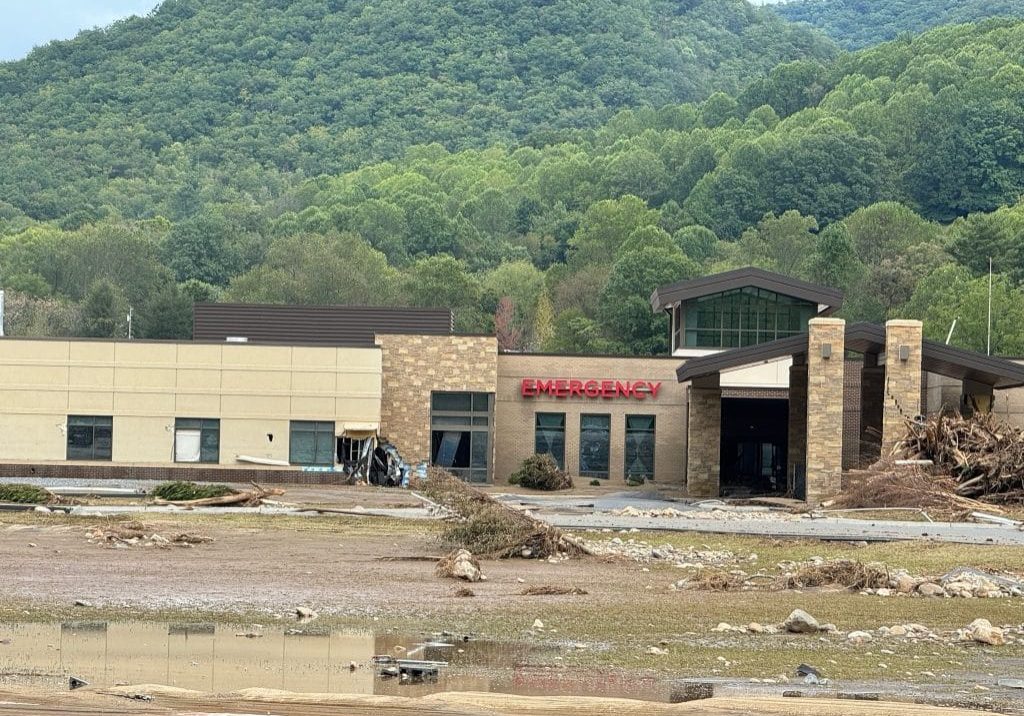
The Washout and Rebuild
For nearly two years, residents of Unicoi County, Tennessee, have had to make do without a hospital after Hurricane Helene destroyed the rural hospital. Ballad Health, which owns the hospital, broke ground on a new location — in another floodplain — in August 2026.

The Shenandoah Salamander
The Shenandoah salamander is a woodland salamander, which has adapted to life at higher elevations away from water. This sparkling rarity lives among the dry leaves, cracked logs, and stony hillocks on the highest peaks of Shenandoah National Park.

Leave a comment
Your email address will not be published. Required fields are marked *
Leave a Comment