

By Brian Sewell
A series of recent court rulings have supported air pollution standards proposed by the U.S. Environmental Protection Agency, adding to the challenges facing utilities that rely heavily on coal.
In April, a federal appeals court upheld the EPA’s Mercury and Air Toxics Standard, a rule finalized in 2011 targeting emissions of mercury and other harmful air pollutants. The EPA predicts that the standards, once implemented, could prevent up to 11,000 premature deaths, and yield between $33 billion and $90 billion in economic benefits each year.
But the rule, expected to cost $9.6 billion annually, has been criticized by the coal industry and some in Congress as the “centerpiece of Obama’s war on coal” and has spent the past two years in court.
Petitioners in the case could still appeal to the U.S. Supreme Court, but analysts say this is unlikely. The rule is set to go into effect in April 2015, and many utilities have already announced plans to retire coal plants or invest in pollution controls to meet the standards.
Two weeks after the MATS ruling, the Supreme Court upheld the EPA’s Cross-State Air Pollution Rule, which was created under the Clean Air Act’s “good neighbor” provision to address air pollution that travels across state lines, harming the health of those downwind and making it harder for certain states to meet Clean Air Act requirements.
While these rules do not apply to greenhouse gases, they use the Clean Air Act as their legal authority, just as the EPA has for its impending rule regulating carbon pollution from existing power plants. That alone, legal experts say, could help the carbon rule stick.
White House Moves On Methane Emissions and Chemical Disclosure
By Brian Sewell
The Obama administration announced a strategy in March to reduce methane emissions as its latest move to address climate change through measures that do not require congressional approval.
Under the plan, the U.S. Department of Interior will update standards to reduce methane leaks at oil and gas sites on public lands. The department also began gathering public comments in April on a program for the capture and sale of methane produced at coal mines on government-owned land.
The U.S. Environmental Protection Agency plans to address landfill methane emissions and will work with the U.S. Department of Agriculture to reduce methane emissions from cattle farms.
Methane represents around 9 percent of greenhouse gas pollution, but it is more than 20 times more potent than carbon dioxide. Additionally, studies have found that some natural gas drilling operations emit as much as 1,000 times more methane than previously estimated and, if left unchecked, methane leaks could undercut the climate benefits of switching from coal to gas.
In May, the EPA announced that a program incentivizing companies to disclose potentially harmful fracking chemicals is also in the works.
Related Articles
Latest News
More Stories

Signs of Life
In the Nantahala National Forest, a team of biologists spotted Indiana bats, an endangered species that hasn’t been seen in North Carolina for the last 11 years.

‘First Line of Defense’
During Hurricane Helene and its aftermath, rural fire departments and other first responder hubs played critical roles in keeping their communities safe, even without power and cut off from outside support for days or weeks after the storm. Two years later, plenty of work remains to ensure these hubs have the resources they need to operate day to day and be ready when emergencies or natural disasters strike.

The Rocky Road — and Bridge — to Recovery
Hurricane Helene is estimated to have damaged nearly 7,000 private roads and bridges in Western North Carolina. Two years later, many restoration projects are complete, but the journey hasn’t been easy — and isn’t over for others.
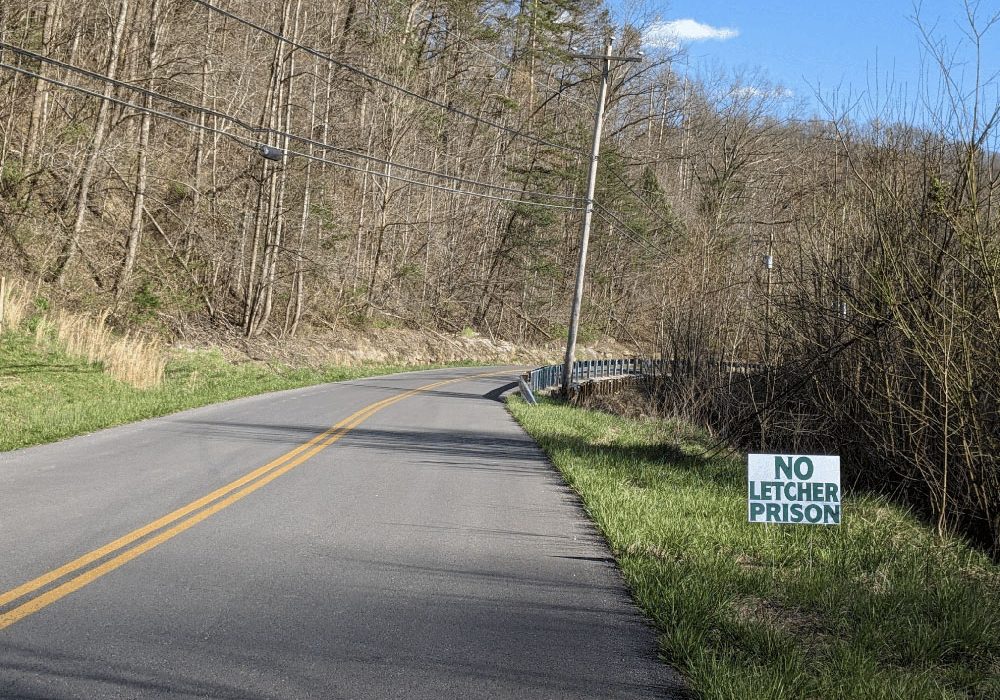
After 20 Years, Letcher County Prison Proposal Is Still Alive, Though Obstacles Remain
A $605 million proposal for a federal prison on a former strip mine site in Letcher County, Kentucky, championed by U.S. Rep. Hal Rogers, refuses to die, despite local opposition, a lack of support from the executive branch and numerous other obstacles.
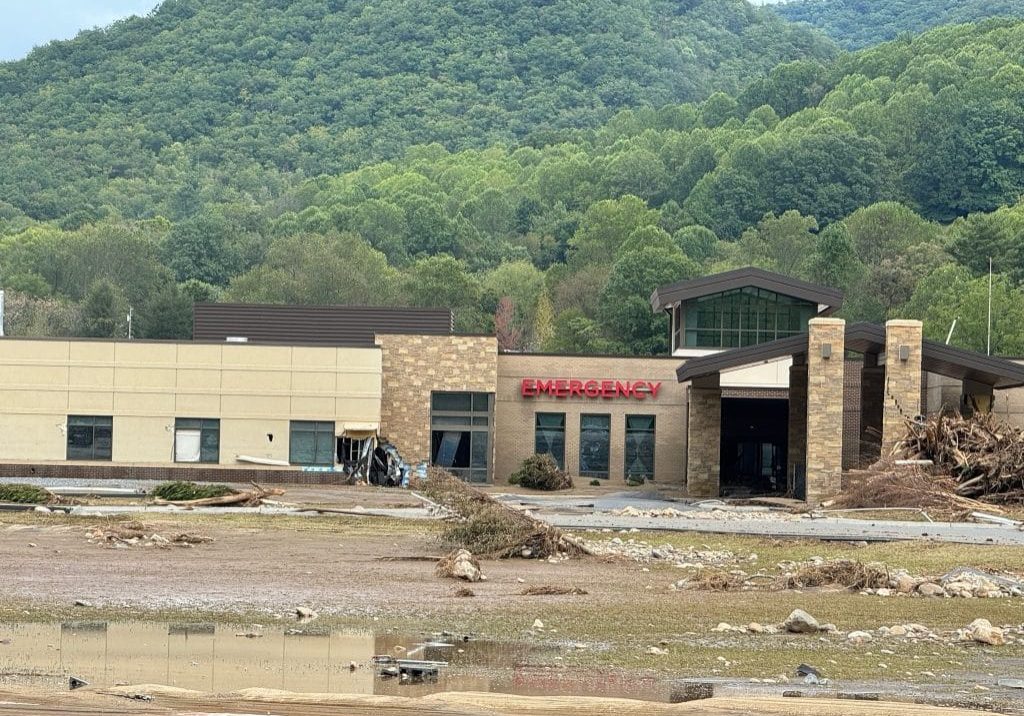
The Washout and Rebuild
For nearly two years, residents of Unicoi County, Tennessee, have had to make do without a hospital after Hurricane Helene destroyed the rural hospital. Ballad Health, which owns the hospital, broke ground on a new location — in another floodplain — in August 2026.

The Shenandoah Salamander
The Shenandoah salamander is a woodland salamander, which has adapted to life at higher elevations away from water. This sparkling rarity lives among the dry leaves, cracked logs, and stony hillocks on the highest peaks of Shenandoah National Park.

Leave a comment
Your email address will not be published. Required fields are marked *
Leave a Comment