

By Brian Sewell
After years of scientific research pointing to methane’s outsized contribution to climate change, the Obama administration will use its executive power to regulate emissions of the potent greenhouse gas from oil and gas productions and pipelines.
In addition to developing the first-ever regulations to limit methane emissions, the White House described a set of actions it will take beginning this year to achieve a reduction in overall U.S. emissions by up to 45 percent by 2025. Without action, methane emissions are expected to rise dramatically over the next decade.
Several federal agencies will be involved, officials say, each targeting different aspects of the oil and gas industry. The Bureau of Land Management, for example, will update outdated standards to reduce wasteful flaring of natural gas, which is primarily methane, from oil and gas wells on public lands. And the Department of Transportation will propose new natural gas pipeline safety standards that are expected to lower methane leaked during transport.
Presented as the most significant step the White House has taken to address climate change since releasing rules to limit carbon dioxide, the rules were nonetheless met with some doubt by environmentalists. They apply only to new and modified oil and gas systems and will mostly rely on voluntary efforts from oil and gas companies.
But, under the Clean Air Act, once rules are developed targeting future sources of a specific pollutant, the EPA is legally obligated to issue rules to cut emissions from existing facilities spewing that pollutant too.
Oil and gas companies argue their financial motivation to reduce leaks eliminates the need for regulation. But energy analysts say contractors and smaller companies along the supply chain who don’t actually own the gas lack incentive to invest in better equipment and monitoring.
The escaped gas represents more than just lost profits. Methane is a major contributor to global climate change and is the second most prevalent greenhouse gas after carbon dioxide.
Methane makes up 9 percent of U.S. greenhouse gas emissions, about one-third of which comes from oil and gas production. Although its lifespan in the atmosphere is much shorter than that of carbon dioxide, methane’s contribution to climate change is 25 times greater than carbon dioxide over a 100-year period.
Getting methane emissions in check could be more urgent than previously thought. A 2014 study published in Science warned that methane may be leaking from oil and natural gas drilling sites and pipelines at rates 50 percent higher than official EPA estimates.
Related Articles
Latest News
More Stories

Halloween Approaches, and Night School Is in Session
The House of Art in Bluefield, West Virginia, looks like a haunted tower, making it the perfect location for its sixth annual haunt event: Night School. The Night School will be open every Friday and Saturday night through Oct. 31.
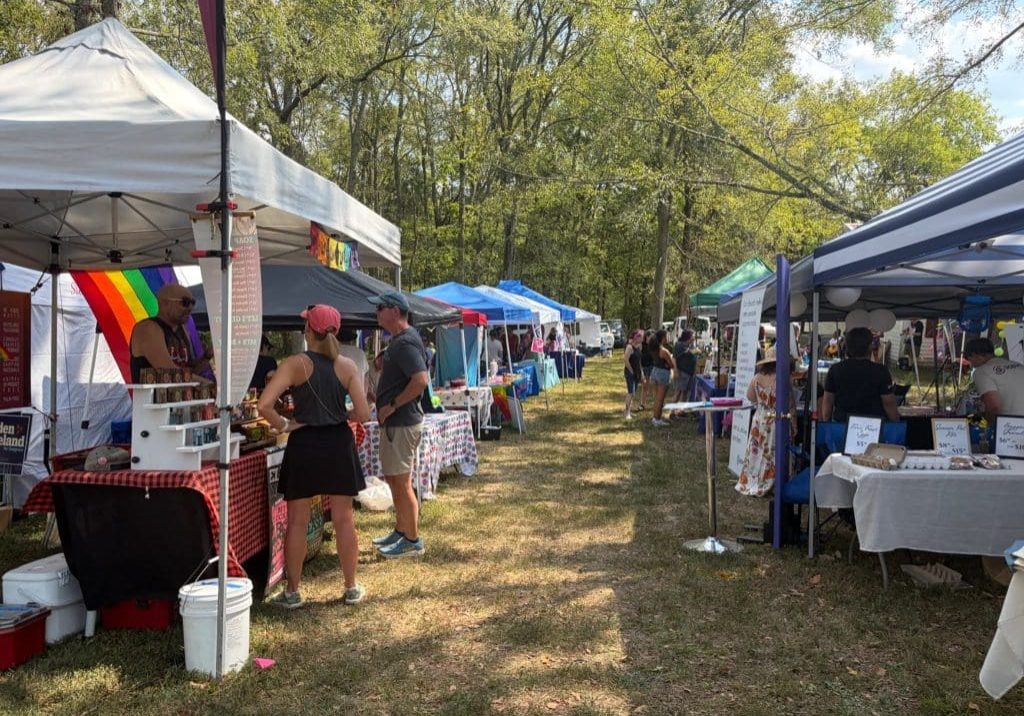
‘The Most Perfect Act of Love’
After losing its rural pride celebration, hundreds of people attended the second annual Affirming Sumner Pride celebration on a 24-acre farm dubbed “Fruity Farm” in Bethpage, Sumner County, Tennessee.

Signs of Life
In the Nantahala National Forest, a team of biologists spotted Indiana bats, an endangered species that hasn’t been seen in North Carolina for the last 11 years.

‘First Line of Defense’
During Hurricane Helene and its aftermath, rural fire departments and other first responder hubs played critical roles in keeping their communities safe, even without power and cut off from outside support for days or weeks after the storm. Two years later, plenty of work remains to ensure these hubs have the resources they need to operate day to day and be ready when emergencies or natural disasters strike.
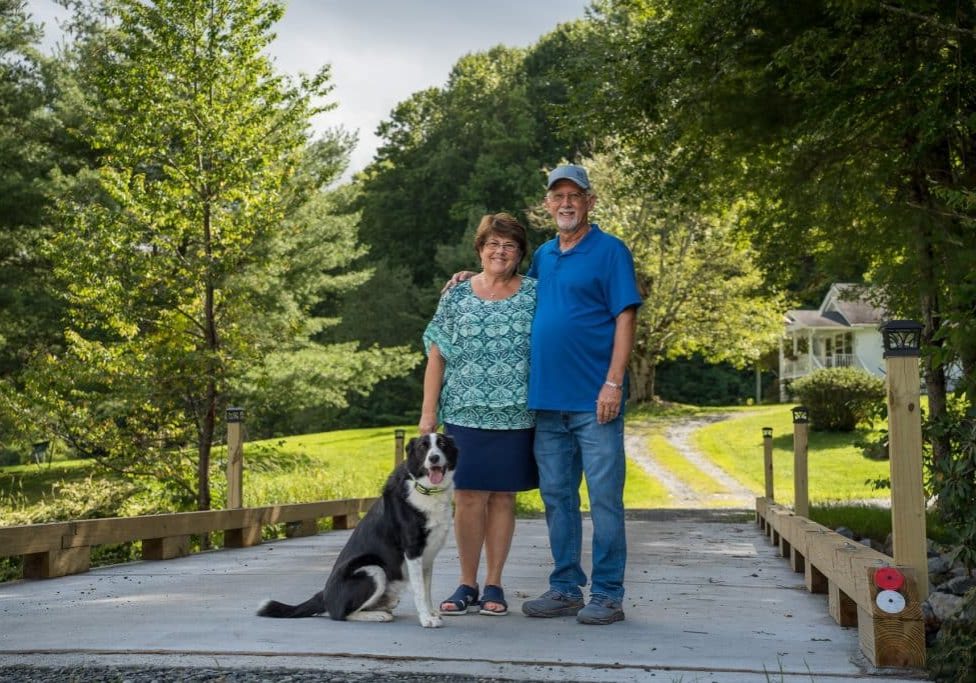
The Rocky Road — and Bridge — to Recovery
Hurricane Helene is estimated to have damaged nearly 7,000 private roads and bridges in Western North Carolina. Two years later, many restoration projects are complete, but the journey hasn’t been easy — and isn’t over for others.
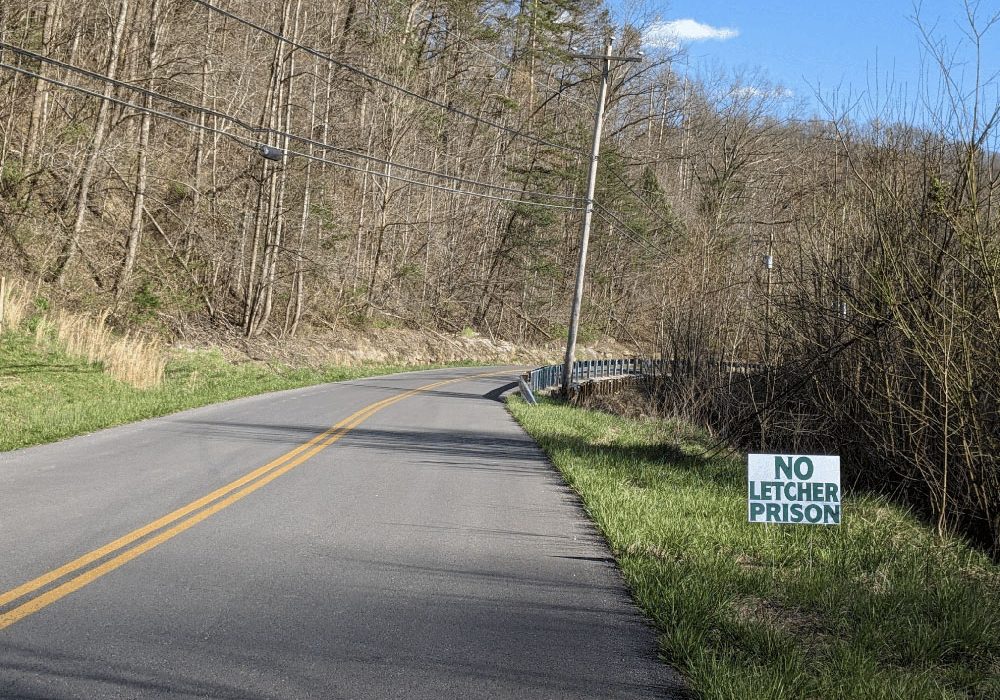
After 20 Years, Letcher County Prison Proposal Is Still Alive, Though Obstacles Remain
A $605 million proposal for a federal prison on a former strip mine site in Letcher County, Kentucky, championed by U.S. Rep. Hal Rogers, refuses to die, despite local opposition, a lack of support from the executive branch and numerous other obstacles.

Leave a comment
Your email address will not be published. Required fields are marked *
Leave a Comment