

Chris McCurry of Highland Craftsmen, Inc.
By Alli Marshall
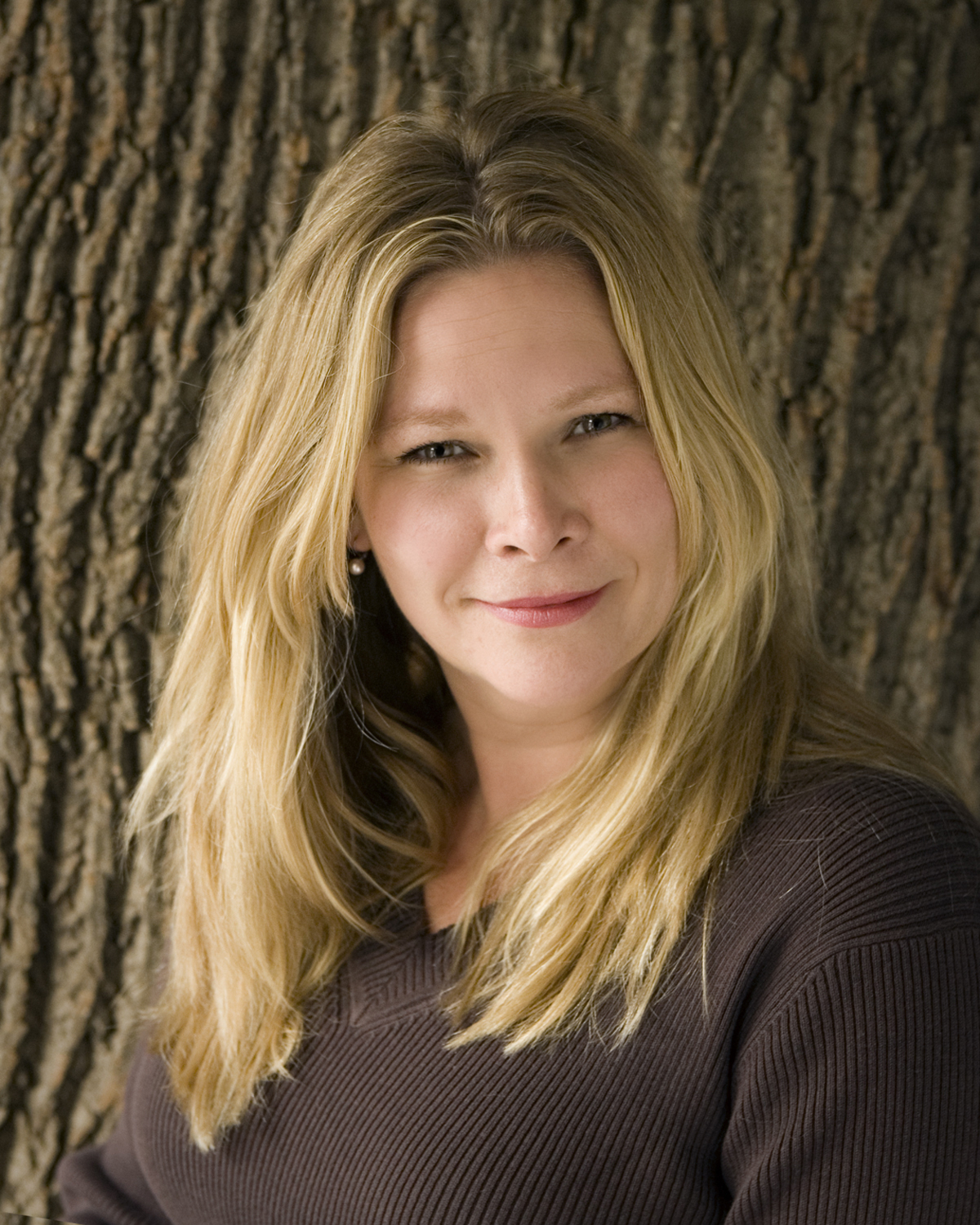
Chris McCurry is a green building entreprenuer, working to develop ethical business practices.
It was the old chestnut-bark siding that provided the inspiration. Though the chestnut blight has destroyed mature American chestnut trees, Chris McCurry wondered why the once-popular shingles couldn’t be duplicated in poplar.
“We wanted to reintroduce something indigenous and match the culture; we wanted the buildings to fit the area,” she explains. So, McCurry and her husband Marty co-founded Highland Craftsmen, Inc. in Spruce Pine, N.C.
Highland Craftsmen has been manufacturing Bark House Shingles since 1990, and today the company offers reclaimed white pine panels, bark laminates, natural moldings, handrails and wooden slabs.
Highland Craftsmen has two criteria for the materials they use: they must be sourced locally and must be a waste product of the forestry industry.
“If people have a tree that needs to be removed [due to disease or because of construction], they know they can bring it to us,” says McCurry.
Her company has the expertise to properly dry and treat such wood so that an unsuspecting homeowner won’t later face shrinkage, rot, or worse, insects. “We know which products will fit into a certain application — there’s a lot of thought and service behind that.”
There is a lot of thought behind Highland Craftsmen’s pledge to environmentalism, evidenced by a B Corporation Cradle to Cradle gold certification— a multi-faceted green designation that evaluates a product’s safety to human beings and the environment, as well as to future life.
McCurry isn’t just about making and selling bark shingles, she is about economic revitalization and building a strong local community. McCurry is Vice President of the Spruce Pine Main Street board, which fosters economic restructuring. The board has involved the University of North Carolina’s Kenan-Flagler STAR (Student Teams Achieving Results) program to evaluate potential business opportunities; McCurry herself has a background in group facilitation and collaborative efforts.
“We’ve suffered a lot through fire and job loss,” she says of the town. “Facilitating so other people can have their voice: There’s huge hope in that.”
Jennifer Woodruff of Build it Naturally
By Alli Marshall
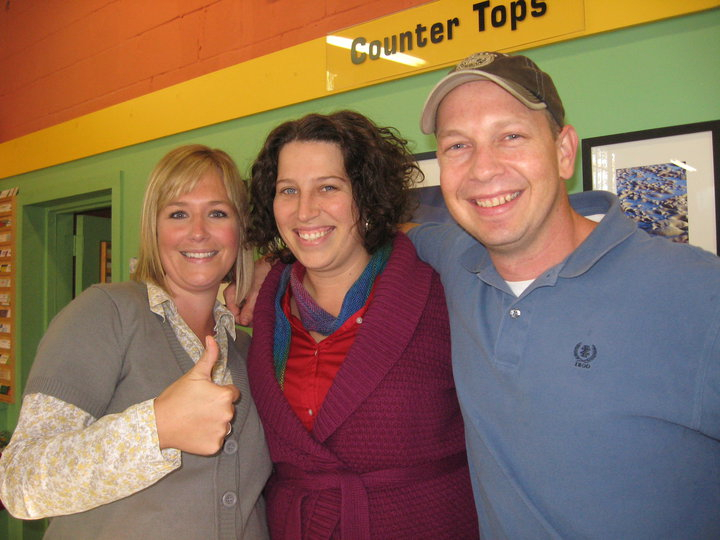
Jennifer Woodruff (center), pictured with two employees of Build it Naturally.
Build It Naturally owner Jennifer Woodruff developed an environmental mindset early in life. Her parents recycled before recycling was fashionable. Woodruff grew up composting, organic gardening, canning food and dyeing wool from the sheep on her family farm.
The seeds for an Asheville-based green building store were planted when, as an MBA student in a California-based Environmental Entrepreneurship program, Woodruff landed a job at the Natural Home Design Center in Santa Rosa. Woodruff was impressed by both the growing green building supplies market and by the business practice of her employer “based upon a triple bottom-line that considers people, the planet, as well as profits.”
Woodruff opened the first Build it Naturally showroom in 2006, and moved to its current location in the autumn of 2007. The company specializes in products for people who suffer from chemical sensitivities or just don’t want to introduce toxins to their homes.
The store stocks items like green flooring made from bamboo, cork, pine resin and reclaimed wood; concrete countertops from sand and gravel collected through low-impact dredging; Paperstone countertops made of 100-percent post-consumer recycled paper; and natural cotton-fiber denim (that’s right, discarded jeans!) refashioned into chemical-free insulation. They also offer water-based paints made from natural ingredients like plant dyes, essential oils, natural minerals, milk casein and bees’ wax.
That Woodruff parlayed a green upbringing into a green business is a great story in itself, but here’s a nice addendum: On her National Association of Professional Women profile, Woodruff lists Habitat for Humanity as “the charity that I am most passionate and drawn to.” Makes sense.
Related Articles
Latest News
More Stories

Halloween Approaches, and Night School Is in Session
The House of Art in Bluefield, West Virginia, looks like a haunted tower, making it the perfect location for its sixth annual haunt event: Night School. The Night School will be open every Friday and Saturday night through Oct. 31.
‘The Most Perfect Act of Love’
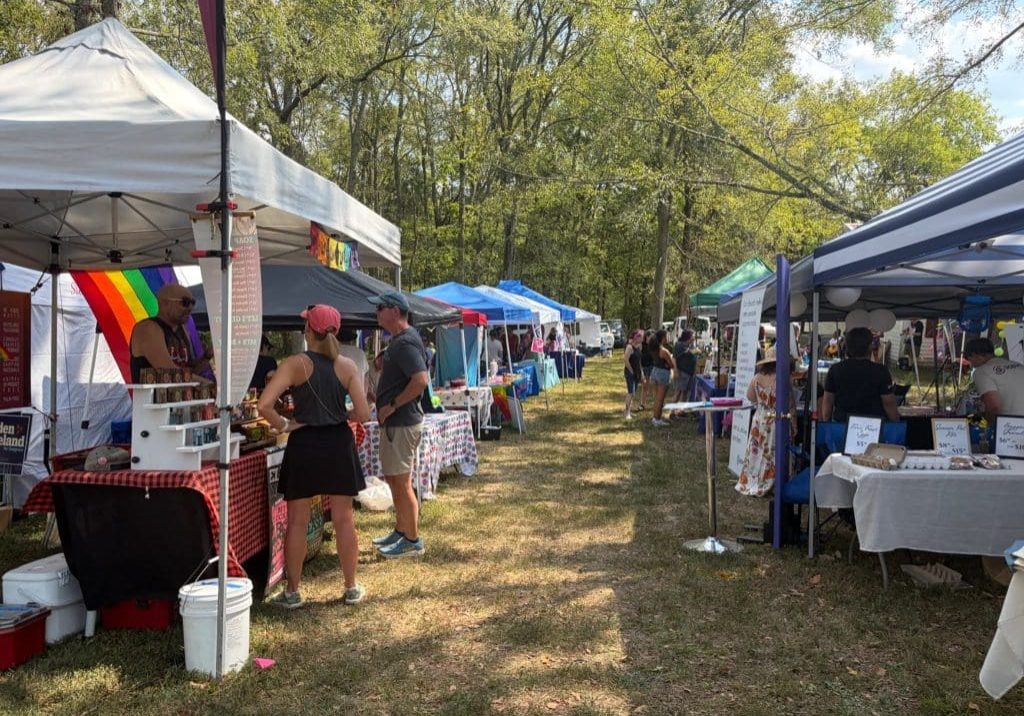
After losing its rural pride celebration, hundreds of people attended the second annual Affirming Sumner Pride celebration on a 24-acre farm dubbed “Fruity Farm” in Bethpage, Sumner County, Tennessee.

Signs of Life
In the Nantahala National Forest, a team of biologists spotted Indiana bats, an endangered species that hasn’t been seen in North Carolina for the last 11 years.

‘First Line of Defense’
During Hurricane Helene and its aftermath, rural fire departments and other first responder hubs played critical roles in keeping their communities safe, even without power and cut off from outside support for days or weeks after the storm. Two years later, plenty of work remains to ensure these hubs have the resources they need to operate day to day and be ready when emergencies or natural disasters strike.

The Rocky Road — and Bridge — to Recovery
Hurricane Helene is estimated to have damaged nearly 7,000 private roads and bridges in Western North Carolina. Two years later, many restoration projects are complete, but the journey hasn’t been easy — and isn’t over for others.
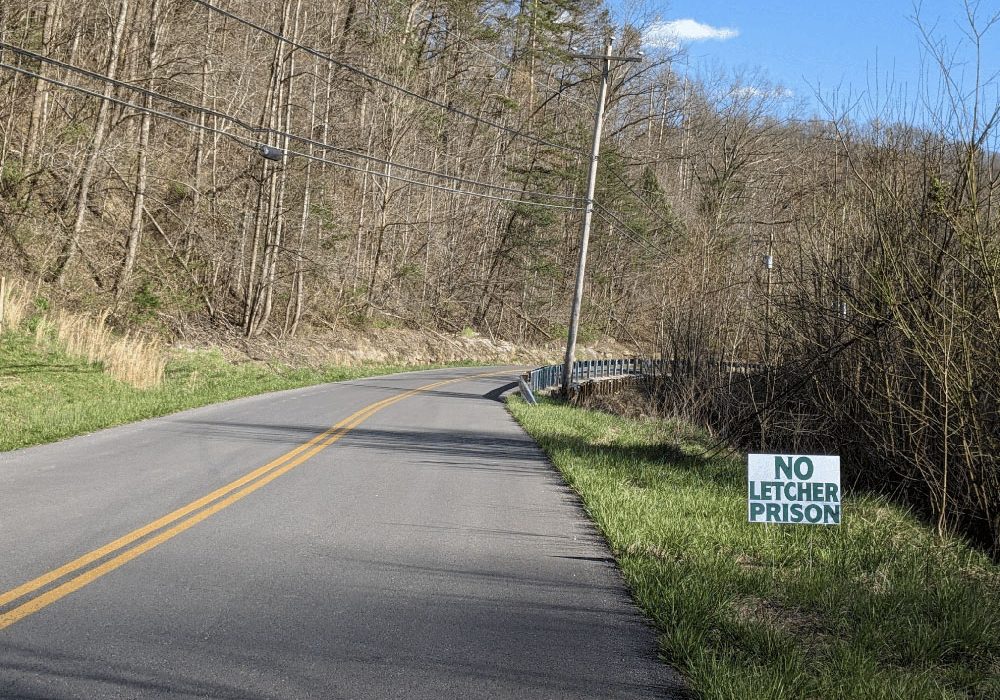
After 20 Years, Letcher County Prison Proposal Is Still Alive, Though Obstacles Remain
A $605 million proposal for a federal prison on a former strip mine site in Letcher County, Kentucky, championed by U.S. Rep. Hal Rogers, refuses to die, despite local opposition, a lack of support from the executive branch and numerous other obstacles.

Leave a comment
Your email address will not be published. Required fields are marked *
Leave a Comment