

Hold Fossil Fuel Industries Accountable
The last few months have shocked us all with headlines reporting the fossil fuel industry’s negligent disregard for security and safety.
Mine disasters devastated a West Virginia community in April, with 29 miners killed in a blast at Upper Big Branch — the biggest mining disaster since the 1970s. In Kentucky’s Coal Dotiki Mine, a cave-in killed two more miners. And off the coast of Louisiana, the Deepwater Horizon oilrig explosion, which occurred when the blowout preventer failed to engage, robbed 11 men of their lives; as of the writing of this editorial, oil continues to spew into the Gulf of Mexico at an alarming rate, threatening coastal wildlife areas as well as coastal communities.
These recent incidents are not unusual. In December of 2008, TVA’s Kingston Fossil Plant sludge dam failed, dumping 5.4 million cubic yards of toxic coal ash into the Emory and Clinch Rivers.
In 1972, West Virginia’s Buffalo Creek disaster killed 125 people overnight, when a sludge dam broke, flooding and devastating the community.
In both instances, officials were aware of structural issues with the dams, but the communities were not informed.
The TVA recently announced that a full cleanup of the spill in Kingston, Tenn., is impossible; the impacted watersheds will remain polluted.
These disasters should have been avoided, and would have if responsible measures were taken to protect our communities and the natural resources they depend on.
The fossil fuel industry seems to be cutting corners while receiving “special treatment” from regulators. The hands-off approach of permitting fossil fuel industries to practically self-regulate and self-report is clearly a massive failure.
Prior to the disaster, Massey’s Upper Big Branch mine had been cited for numerous safety violations. BP had been cited on many occasions for health and safety violations aboard their rigs. Fines were paid, but were corrections made? The industry often dismisses community concerns as naive or anti-business, suggesting there is “nothing to worry about.”
With all these tragedies and catastrophes, critical questions yet remain: What have we learned? How will the safety of American workers and citizens be secured? How much do we value our fragile ecosystems? And will we take the lessons from these disasters and ensure that our planet and people will not suffer future repercussions from similar oversights, or will big business continue to be given priority in decision making?
Related Articles
Latest News
More Stories

Halloween Approaches, and Night School Is in Session
The House of Art in Bluefield, West Virginia, looks like a haunted tower, making it the perfect location for its sixth annual haunt event: Night School. The Night School will be open every Friday and Saturday night through Oct. 31.
‘The Most Perfect Act of Love’
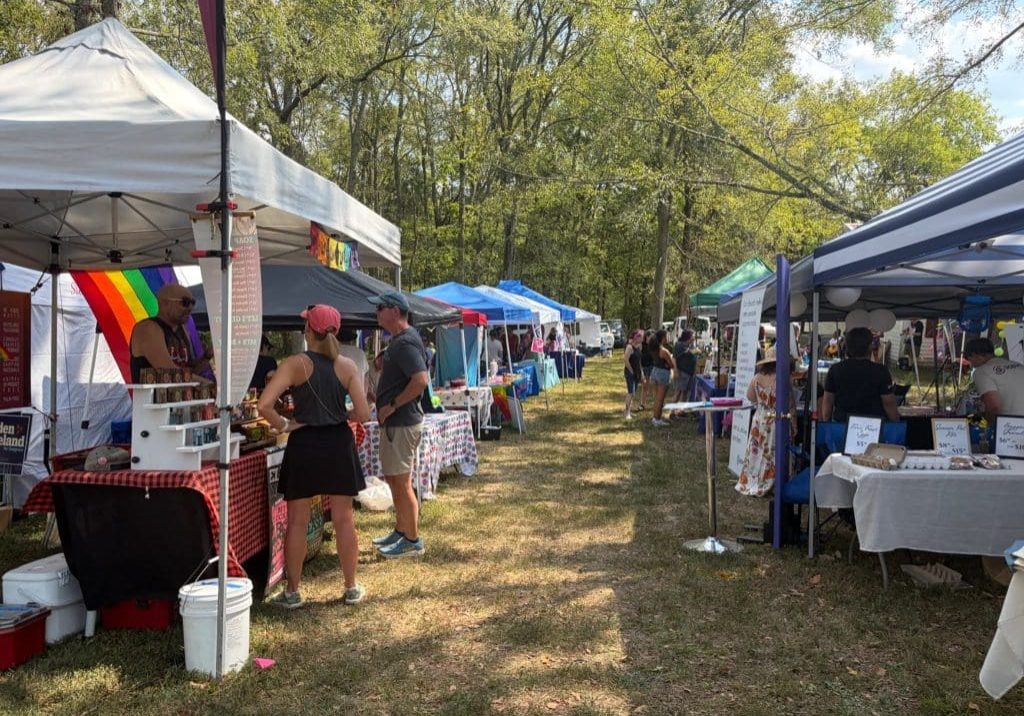
After losing its rural pride celebration, hundreds of people attended the second annual Affirming Sumner Pride celebration on a 24-acre farm dubbed “Fruity Farm” in Bethpage, Sumner County, Tennessee.

Signs of Life
In the Nantahala National Forest, a team of biologists spotted Indiana bats, an endangered species that hasn’t been seen in North Carolina for the last 11 years.
‘First Line of Defense’
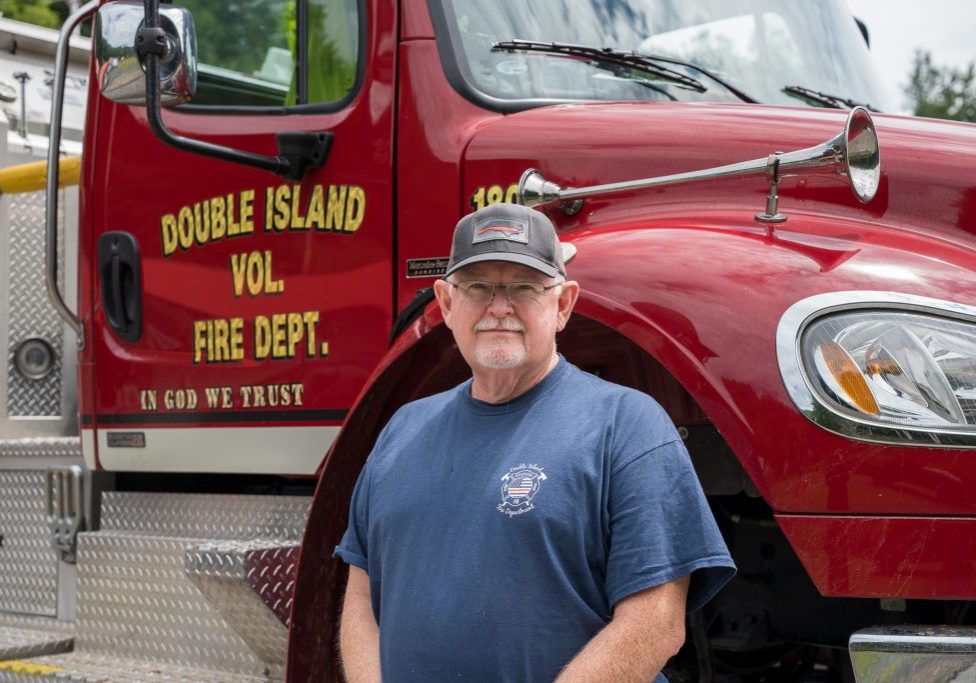
During Hurricane Helene and its aftermath, rural fire departments and other first responder hubs played critical roles in keeping their communities safe, even without power and cut off from outside support for days or weeks after the storm. Two years later, plenty of work remains to ensure these hubs have the resources they need to operate day to day and be ready when emergencies or natural disasters strike.
The Rocky Road — and Bridge — to Recovery
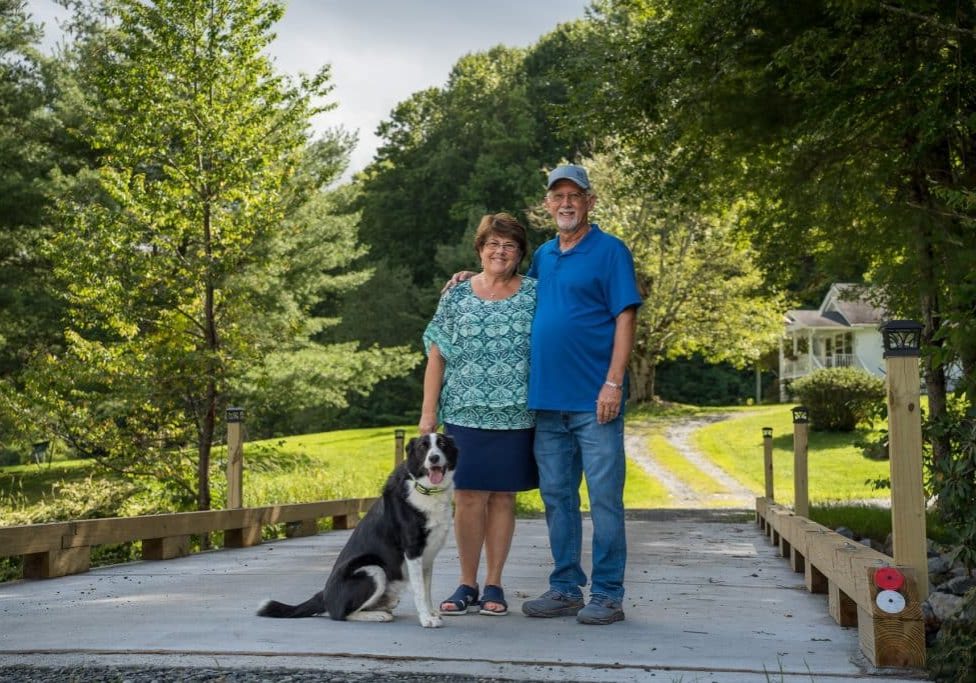
Hurricane Helene is estimated to have damaged nearly 7,000 private roads and bridges in Western North Carolina. Two years later, many restoration projects are complete, but the journey hasn’t been easy — and isn’t over for others.
After 20 Years, Letcher County Prison Proposal Is Still Alive, Though Obstacles Remain
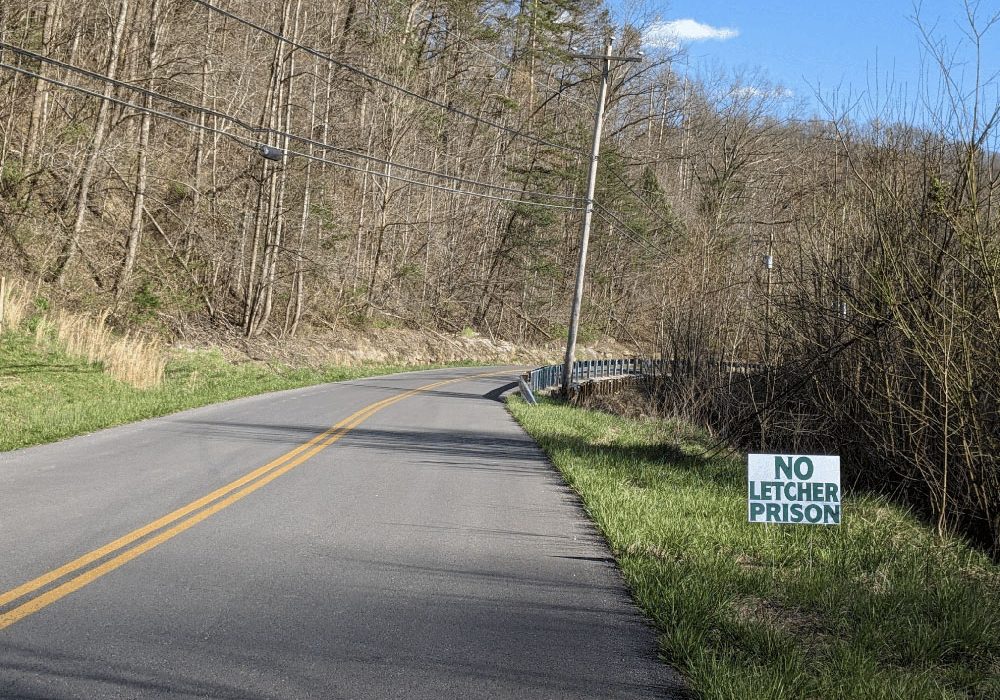
A $605 million proposal for a federal prison on a former strip mine site in Letcher County, Kentucky, championed by U.S. Rep. Hal Rogers, refuses to die, despite local opposition, a lack of support from the executive branch and numerous other obstacles.

Leave a comment
Your email address will not be published. Required fields are marked *
Leave a Comment