

Water Matters
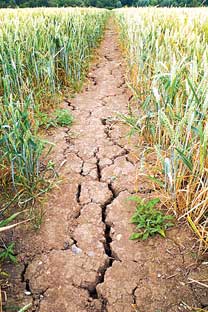
Now more than ever, it’s a good time to think about the future of water in Appalachia and the Southeast. Experts warn that we will have to face declining quality and quantity of water due to expanding population, changing climate, mountaintop removal mining and other issues.The solutions may prove to be elusive, but rational planning and conservation top the list.
Drought Brings About Water Wars
Story by Bill Kovarik
When Mark Twain famously said “whiskey is for drinking; water is for fighting,” he was referring to the American West. Today, water is also for fighting back East, as drought cycles and increasing population lead to intense competition for the remaining supplies of water.
With average per capita water use in the South at 1,553 gallons per day – and increasing— experts are warning that the region will have to start taking conservation and planning seriously. Water use in the rest of the country is 1,168 gallons per day and decreasing.
Meanwhile, paleo-climatologists believe that even without human-influenced climate change, the Southeast is looking at increasing long-term drought.
The drought of 2007-08 for example was considered the worst since recordkeeping began in 1895. More than one quarter of the region was covered by the National Weather Service “exceptional” category. The response involved voluntary and mandatory water conservation measures, but how effective they were is still not known.
Electric utilities – which use two out of every three gallons in the region – monitored water supplies closely to see if they would have to cut back production, as happened in France during the heat wave of 2003.
Conservation was mandatory in some states, like Virginia and Georgia, but had to be voluntary in some others , such as the Carolinas and Alabama, where state regulations have been proposed but not passed.
A more organized approach will be needed in the future, according to Bill Holman, director of state policy at Duke University’s Nicholas Institute for Environmental Policy Solutions.
“We’re in a transition to thinking about water as a scarce and valuable resource,” said Holman.
“Our 20th-century water policy is inadequate for our 21st-century population and economy,” said Holman. “The water resources that sustained a population of 4 million in 1960 and barely sustained 9 million during the 2007-08 drought will have to sustain a population of over 12 million in 2030.”
Whether that is possible or not remains to be seen. Holman and Richard Whisnant, a law professor at UNC Chapel Hill, authored a water allocation study last year that recommended a permit system for water withdrawls that would at least be similar to other states.
Many businesses are planning ahead for water resource risks, Holman said, so there are economic as well as environmental reasons for better science, better coordination of conservation efforts, and more centralized regulations.
“Just like carbon footprinting is a real trend, water footprinting is also an important trend for businesses,” Holman said.
Elliot Metzger, a policy analyst with World Resources Institute, said that the East would have to learn to be more like the West when it came to water policy. “The real focus in western states is on efficiency, on making sure that risk is mitigated with basic policy,” Metzger said. “They are a little more holisitic with planning, getting water regulators talking with energy regulators.”
The energy sector “adds immense stress to river systems during the warm months,” a recent report by the Southern Environmental Law Center said.
The center, which is involved in several lawsuits related to water useage, advocates greater planning and protection for aquatic species.
“We’ve urged states to take serious steps to do water planning on a watershed scale, ensuring flow, quality, and habitat,” said Cat McCue of SCLC. “We need to get a grip on land-use patterns that exacerbate these water resource issues, and NOT get distracted by chasing down big, expensive, engineered fixes like dams and pipelines that are short-term and cause more eco-problems down the road.”
MORE INFORMATION
sogweb.sog.unc.edu/Water — The UNC / Duke Univeristy “Water Wiki” keeps track of current events and trends in water science and policy.
www.wri.org/stories/2009/05/water-watts-southeast — World Resources Institute – Water for Watts in the Southeast.
www.southernenvironment.org — Keeps track of water resource lawsuits and issues. The report “Drought in the South: Planning for a Water-Wise Future” makes state drought and policy comparisons.
snr.unl.edu/niwr — National Institutes for Water Resources provides science – based information on a state-by-state basis.
Related Articles
Latest News
More Stories

Halloween Approaches, and Night School Is in Session
The House of Art in Bluefield, West Virginia, looks like a haunted tower, making it the perfect location for its sixth annual haunt event: Night School. The Night School will be open every Friday and Saturday night through Oct. 31.
‘The Most Perfect Act of Love’
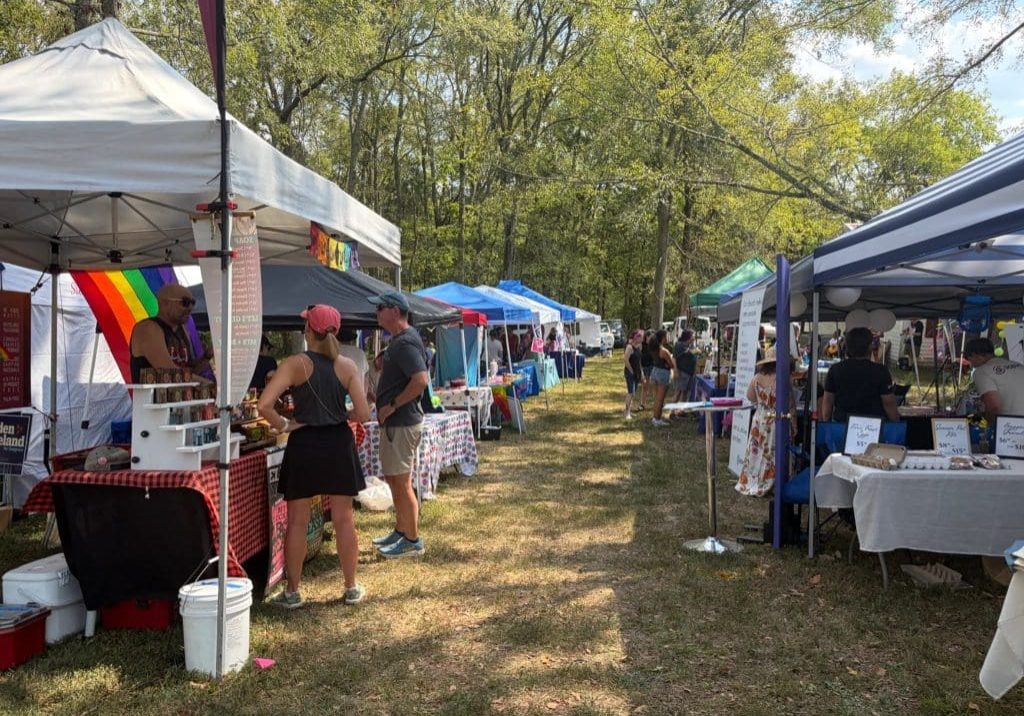
After losing its rural pride celebration, hundreds of people attended the second annual Affirming Sumner Pride celebration on a 24-acre farm dubbed “Fruity Farm” in Bethpage, Sumner County, Tennessee.

Signs of Life
In the Nantahala National Forest, a team of biologists spotted Indiana bats, an endangered species that hasn’t been seen in North Carolina for the last 11 years.
‘First Line of Defense’
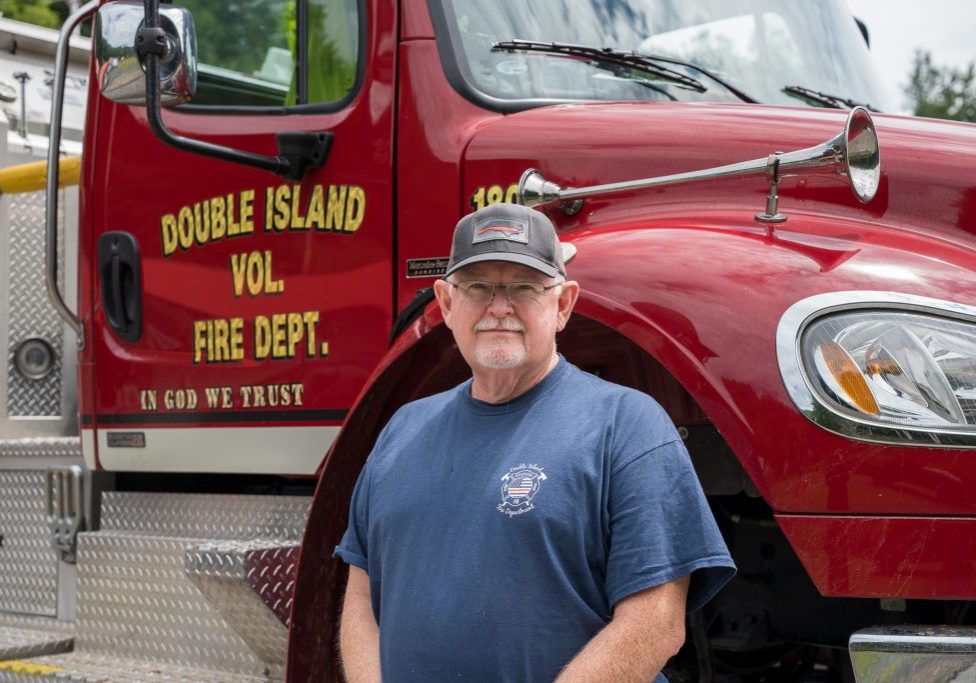
During Hurricane Helene and its aftermath, rural fire departments and other first responder hubs played critical roles in keeping their communities safe, even without power and cut off from outside support for days or weeks after the storm. Two years later, plenty of work remains to ensure these hubs have the resources they need to operate day to day and be ready when emergencies or natural disasters strike.
The Rocky Road — and Bridge — to Recovery
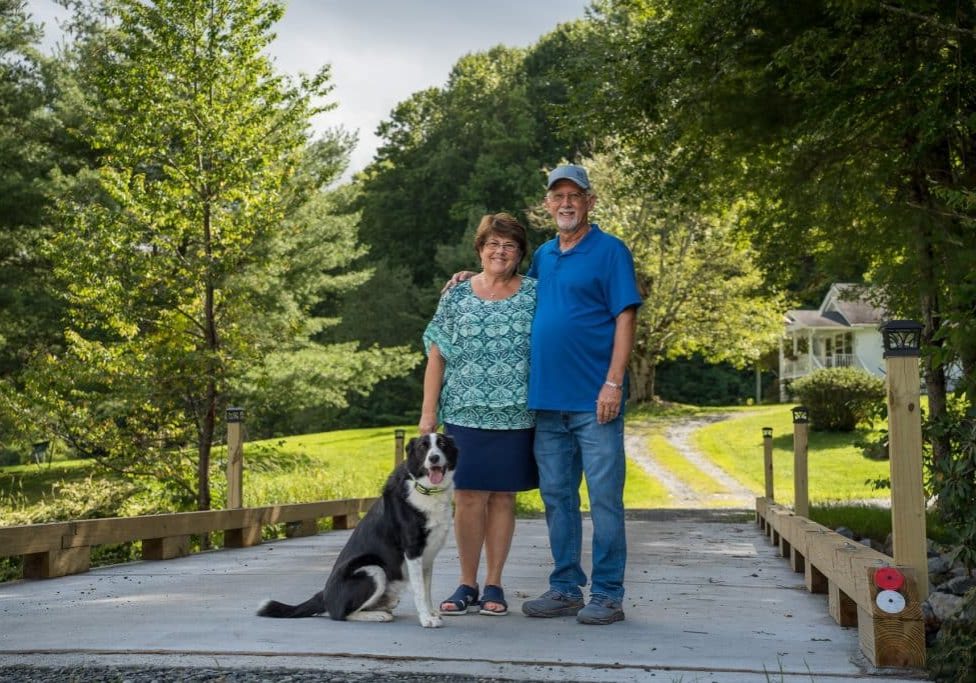
Hurricane Helene is estimated to have damaged nearly 7,000 private roads and bridges in Western North Carolina. Two years later, many restoration projects are complete, but the journey hasn’t been easy — and isn’t over for others.
After 20 Years, Letcher County Prison Proposal Is Still Alive, Though Obstacles Remain
A $605 million proposal for a federal prison on a former strip mine site in Letcher County, Kentucky, championed by U.S. Rep. Hal Rogers, refuses to die, despite local opposition, a lack of support from the executive branch and numerous other obstacles.

Leave a comment
Your email address will not be published. Required fields are marked *
Leave a Comment