

Be a Locavore: Support your community and sustain yourself
By Maureen Halsema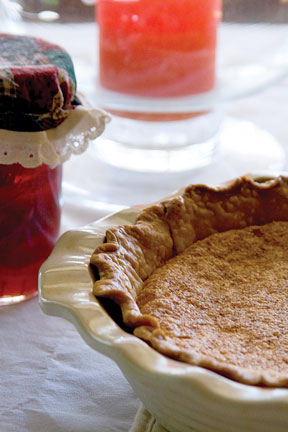
As you are savoring your roasted turkey, dumplings, cranberry sauce, and hot apple pie this holiday season, keep in mind the average item in the grocery store travels over 1,000 miles to your table.
Appalachia is rich in farmer’s markets and food co-operatives featuring locally grown and organic foods.
Besides being fresher and even healthier, buying local foods can be a boon to your community. As a locavore—a person who buys produce, meats and other food products from local sources—you encourage sustainable agricultural practices and support the rural heritage of Appalachia. Your purchase directly supports local farmers, giving them an
edge against the corporate competition in an already tough economy.
Many local farmers use organic farming methods, which also benefit you and your fellow locavores. Eating organically reduces your exposure to chemicals like growth hormones or antibiotics, because organically raised animals, fruits and veggies generally do not use these products. Pesticide-free farming methods keep water, soils, and air cleaner, and animals are raised on organic feed so that pesticides do not accumulate in the meat and get passed on to you. This is one of the many ways that buying locally benefits you and your community.
To find local places where you can acquire your holiday feast, visit LocalHarvest.org. This site is a database of farmer’s markets, restaurants, groceries, co-ops, and community supported agriculture where you can purchase local produce. Simply type in what you are looking for and where you are from and the site will compile a list of the places you can do your holiday shopping.
The Appalachian Sustainable Agriculture Project also has a local food guide database at ASAPConnections.org that allows you to search for farms, natural food stores, restaurants, and other businesses that sell local foods in southern Appalachia.
If the locavore lifestyle intrigues you, take on a challenge this holiday season—try the 100-mile diet. This growing social movement involves eating foods that come from a 100-mile radius of your home. Spend the holidays supporting your local community while enriching your diet with locally grown foods.
So cut the mileage out of the meals this holiday, lower your carbon footprint and support your local community. Visit AppVoices.org/locavore to find links that will help you locate locally grown food for your holiday feast!
Pie Photo by William Hockaday
Related Articles
Latest News
More Stories
Signs of Life
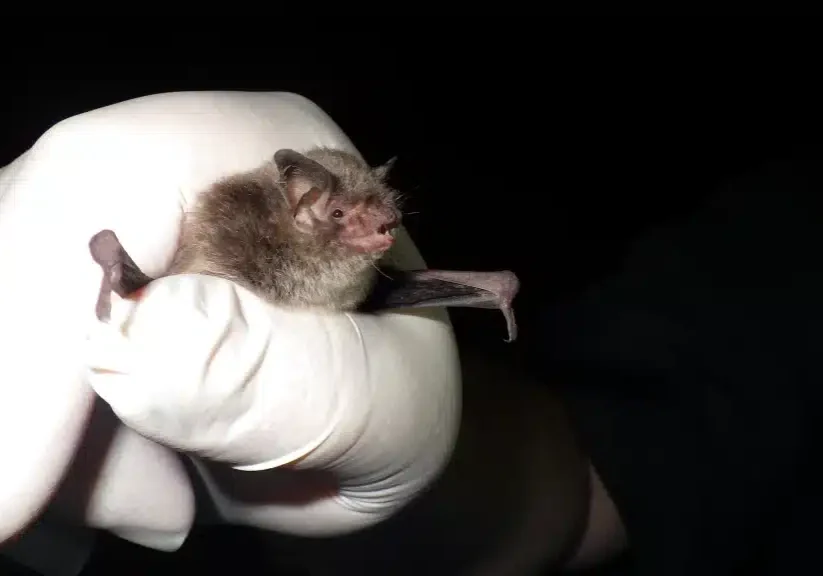
In the Nantahala National Forest, a team of biologists spotted Indiana bats, an endangered species that hasn’t been seen in North Carolina for the last 11 years.
‘First Line of Defense’
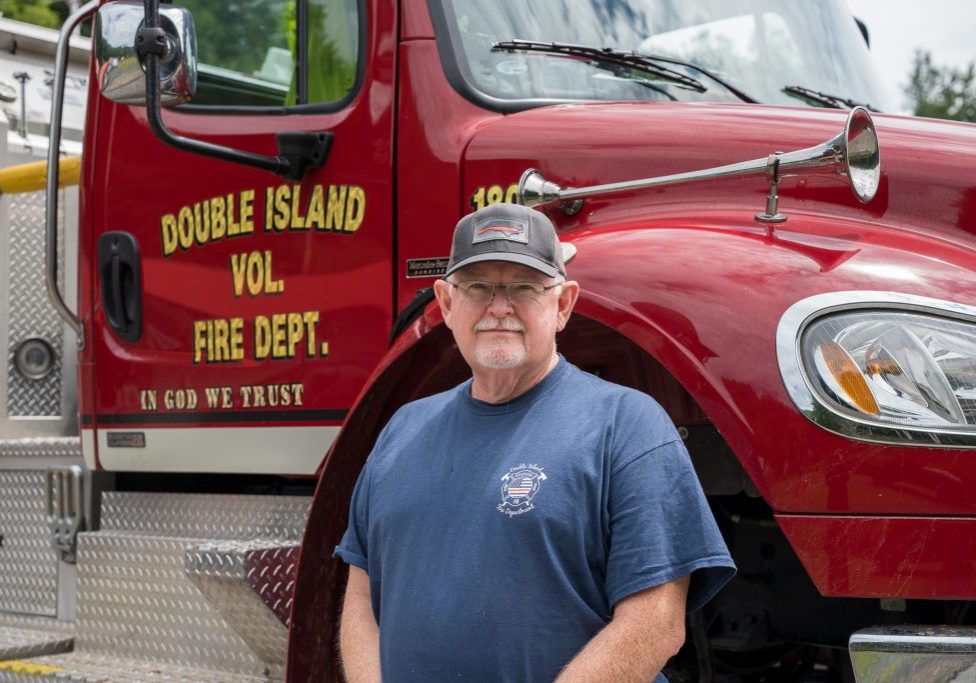
During Hurricane Helene and its aftermath, rural fire departments and other first responder hubs played critical roles in keeping their communities safe, even without power and cut off from outside support for days or weeks after the storm. Two years later, plenty of work remains to ensure these hubs have the resources they need to operate day to day and be ready when emergencies or natural disasters strike.
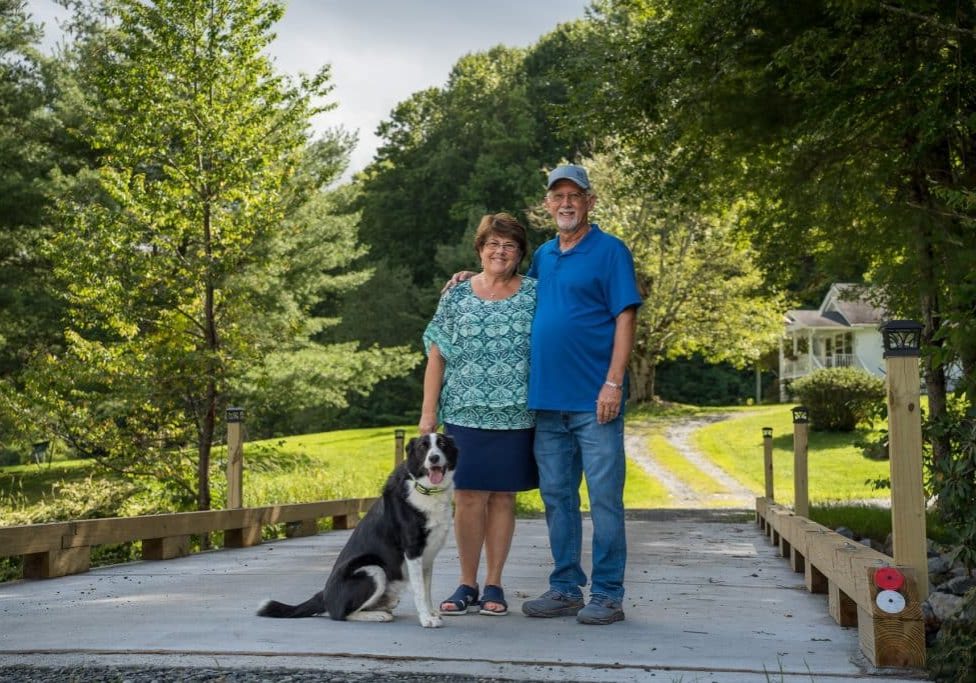
The Rocky Road — and Bridge — to Recovery
Hurricane Helene is estimated to have damaged nearly 7,000 private roads and bridges in Western North Carolina. Two years later, many restoration projects are complete, but the journey hasn’t been easy — and isn’t over for others.
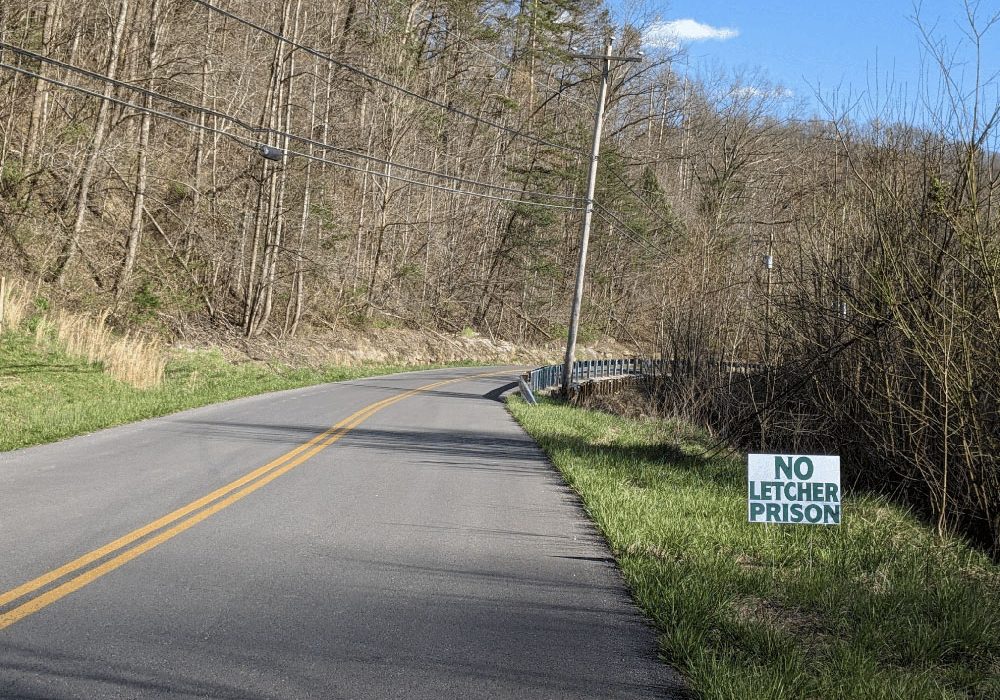
After 20 Years, Letcher County Prison Proposal Is Still Alive, Though Obstacles Remain
A $605 million proposal for a federal prison on a former strip mine site in Letcher County, Kentucky, championed by U.S. Rep. Hal Rogers, refuses to die, despite local opposition, a lack of support from the executive branch and numerous other obstacles.
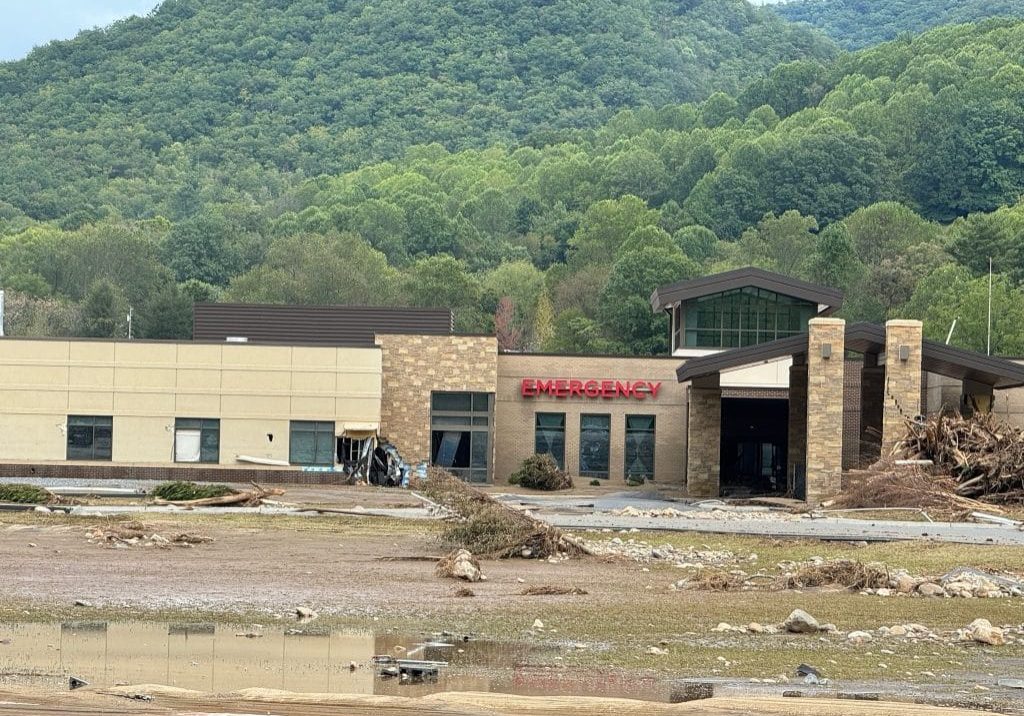
The Washout and Rebuild
For nearly two years, residents of Unicoi County, Tennessee, have had to make do without a hospital after Hurricane Helene destroyed the rural hospital. Ballad Health, which owns the hospital, broke ground on a new location — in another floodplain — in August 2026.
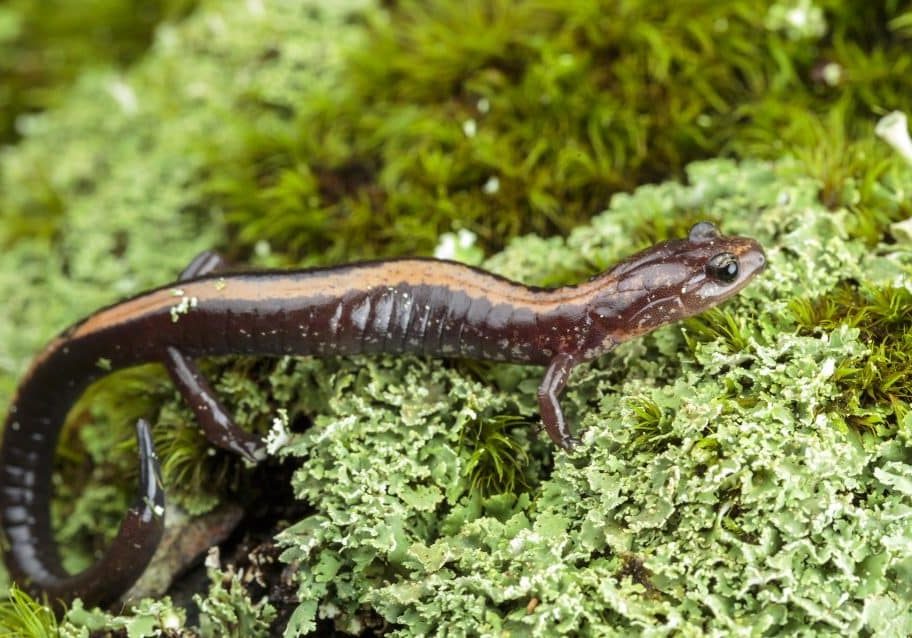
The Shenandoah Salamander
The Shenandoah salamander is a woodland salamander, which has adapted to life at higher elevations away from water. This sparkling rarity lives among the dry leaves, cracked logs, and stony hillocks on the highest peaks of Shenandoah National Park.

Leave a comment
Your email address will not be published. Required fields are marked *
Leave a Comment