Energy Democracy for All

Energy Democracy is local people having control of how their electricity is produced and distributed to ensure everyone has access to affordable and clean power.
Two decades into the 21st century, advances in solar panels, battery storage, modernized electric grids and other technologies are revolutionizing how our electricity can be produced and distributed. But large utility companies with monopoly control over the market — such as Duke Energy and Dominion Energy — are keeping us locked into using increasingly expensive polluting fuels like coal and fracked gas to generate our electricity.
At the same time, the increasing impacts of global climate change, including dangerous heat waves and severe storms, are taking a toll on countless communities, but especially disadvantaged communities and communities of color. And monopoly utility companies charge ever higher rates while they knowingly continue to worsen the climate crisis.
But a movement toward Energy Democracy is growing across Appalachia and throughout the country. Local individuals and groups are standing up to demand a seat at the table with decision makers to ensure we transition to a system that is affordable and fair, provides community wealth and jobs, and is built on clean, renewable energy.

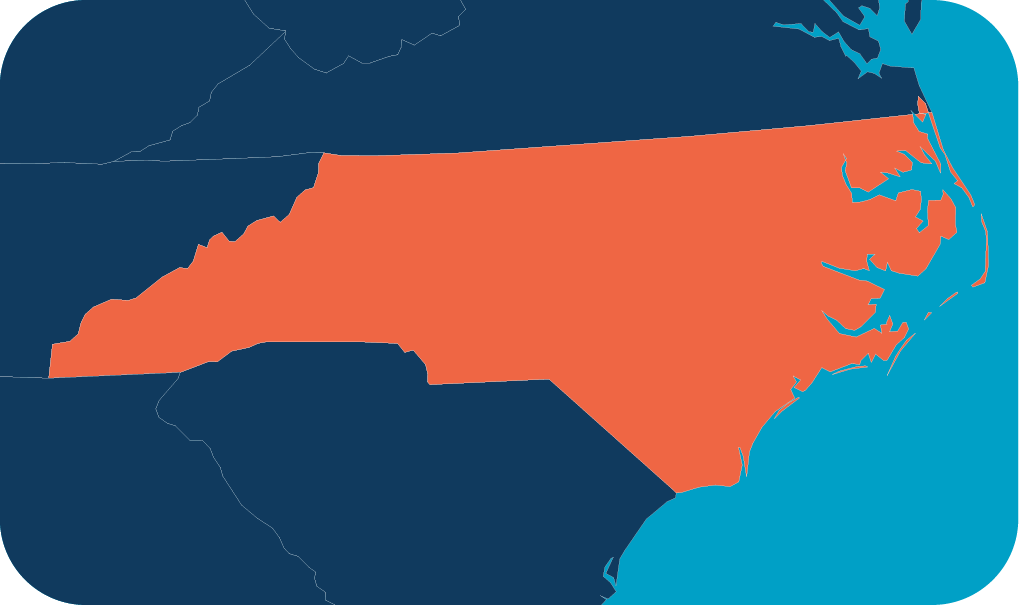
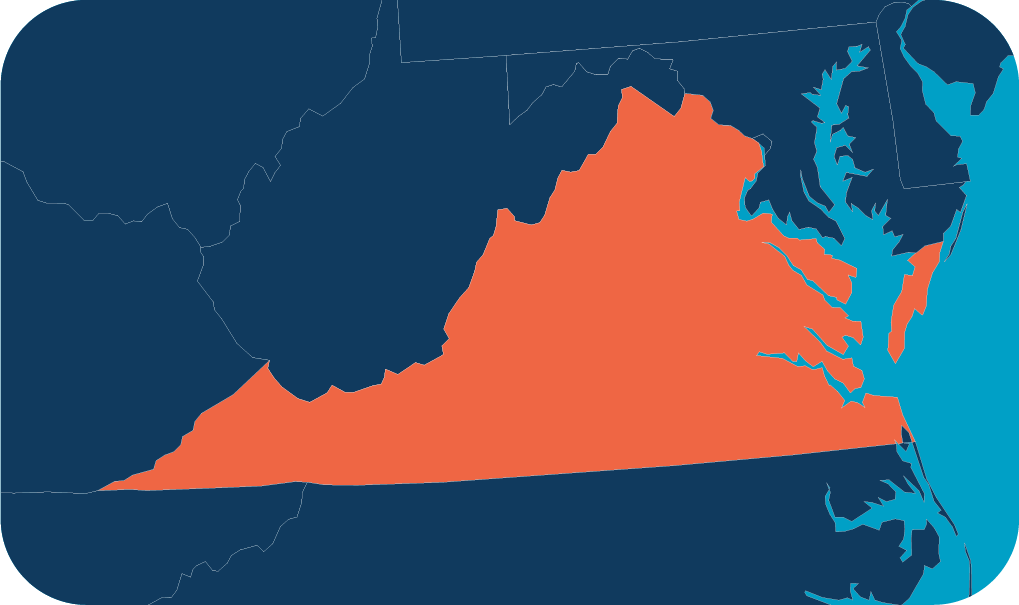
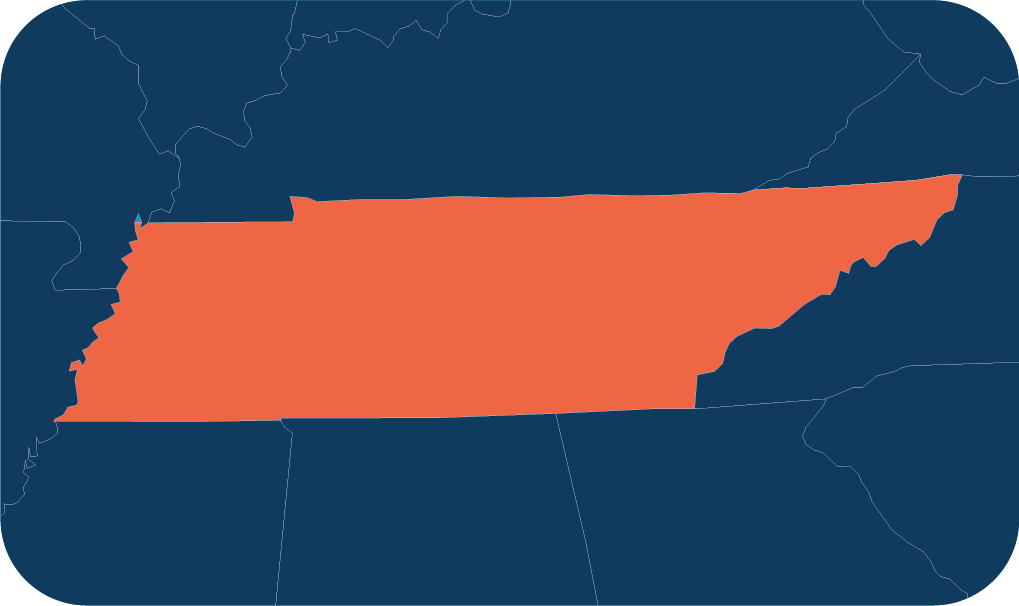
State-Specific Info
Latest News
Push for N.C. Coal Ash Cleanup Enters Final Stages
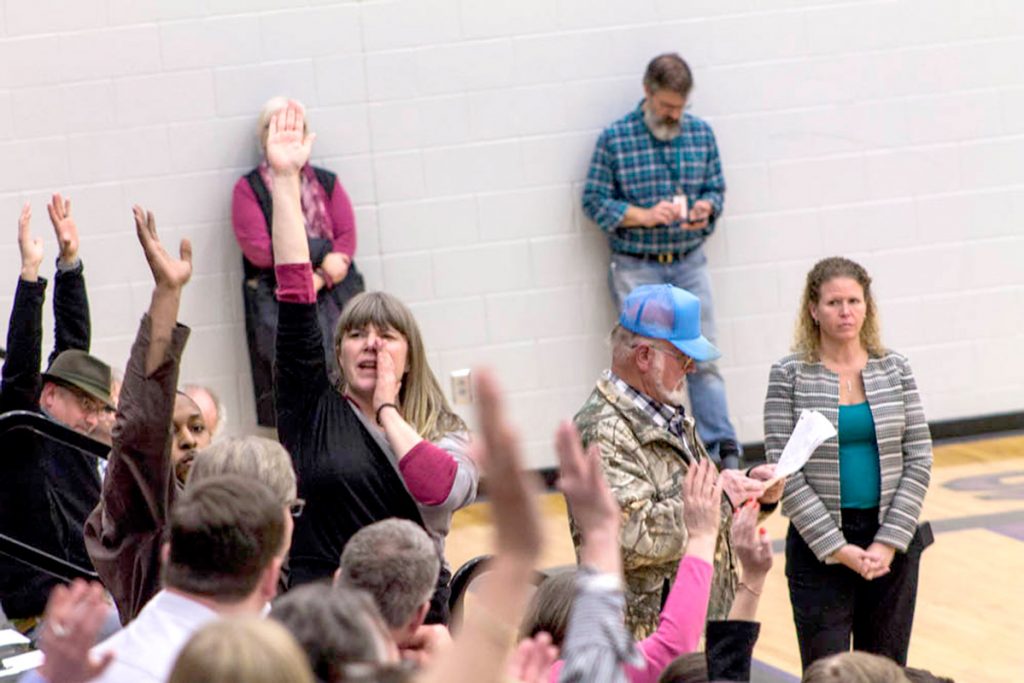
We joined North Carolinians living near Duke Energy’s coal ash dumps in telling the state that capping the toxic pits instead of moving the material away from water sources is a non-starter.
Asking N.C. Lawmakers to Reject Duke’s Money Grab
In January, we joined NC WARN to call on our elected leaders to reject Duke Energy’s anticipated grid plan that would allow the monopoly utility to enact up to $13 billion in rate hikes.
North Carolina Solar Rebates in High Demand
All of Duke Energy’s North Carolina residential solar rebates, which reduce the cost of panel installation by up to 30 percent, were claimed in less than a day

Five years after Dan River: Coal ash in N.C.
The Dan River coal ash spill sparked a flurry of coal ash cleanup legislation, public hearings, community meetings and more across North Carolina. But where does coal ash stand in the state now?
Groups urge N.C. lawmakers to prevent Duke Energy from gouging customers for grid “improvements”
A joint press release from NC Warn and…