

Banding Together for Better Power Options

The Lachmans in Athens County, Ohio, helped pass an initiative to make their town greener. Photo courtesy of UpGrade Athens County
Some aggregated communities like Cincinnati, Ohio, offer 100 percent green power options. If an individual does not want to partake in aggregation, they may opt out and choose another power provider at any time. More than 250 communities in Ohio have switched to municipal aggregation for both gas and electricity, according to LEAN Energy US, a nonprofit group that advocates for aggregation.
The Northeast Ohio Public Energy Council, an aggregator established in 2000 that serves more than 500,000 Ohioans, estimates that it saved customers more than $300 million from 2001 to 2017. Not all Ohio customers are allowed to participate in aggregation, however. Rural electric cooperative members, municipal utility customers and net metering users are some exceptions.
Aggregators in Ohio can also fund programs for energy efficiency and renewables. Northeast Ohio Public Energy Council offers grants for energy projects that lower utility costs and increase renewables, and had funded 330 such projects as of August 2017.
According to the Southeast Ohio Public Energy Council, a smaller aggregator, residential electric customers typically save $50 to $200 a year with community choice. Residential natural gas customers save roughly $10 to $50 per year. The council offers loans to commercial customers for energy efficiency upgrades and free renewable energy assessments for farmers and small businesses through the U.S. Department of Agriculture.
Individual communities can take renewable initiatives further still. Residents of Athens, Ohio, overwhelmingly approved a carbon tax for community choice aggregation members in May. The fee, which goes into effect in 2019, is expected to raise residential electric bills by around $1.60 to $1.80 per month, and will fund solar projects on public buildings, according to The Athens Messenger. — By Kevin Ridder
Related Articles
Latest News
More Stories

Halloween Approaches, and Night School Is in Session
The House of Art in Bluefield, West Virginia, looks like a haunted tower, making it the perfect location for its sixth annual haunt event: Night School. The Night School will be open every Friday and Saturday night through Oct. 31.
‘The Most Perfect Act of Love’
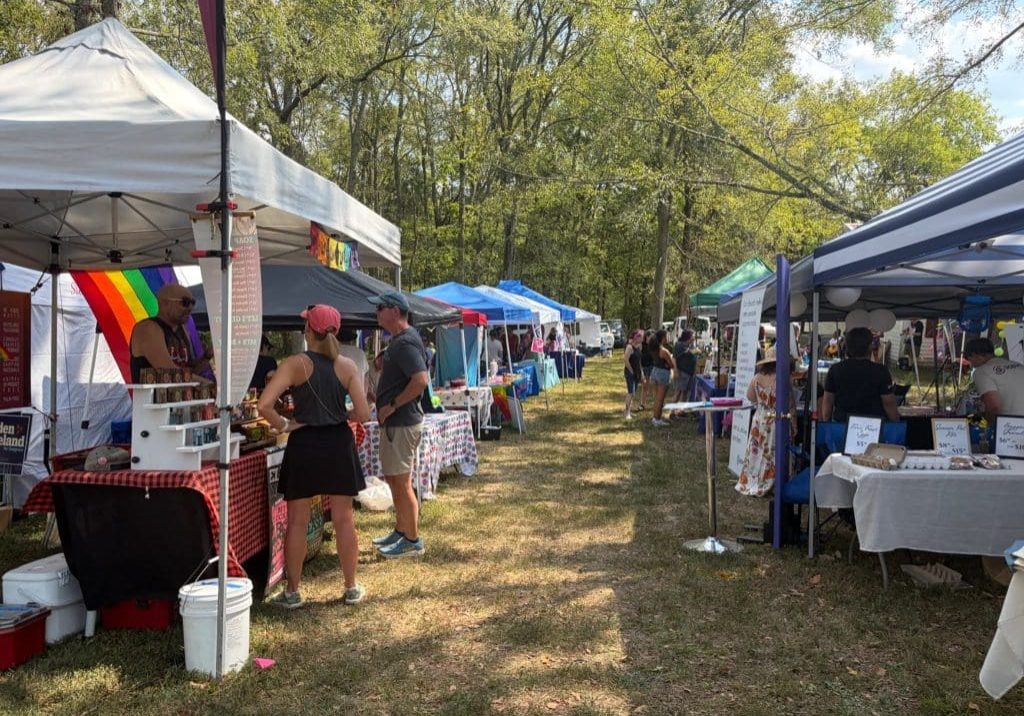
After losing its rural pride celebration, hundreds of people attended the second annual Affirming Sumner Pride celebration on a 24-acre farm dubbed “Fruity Farm” in Bethpage, Sumner County, Tennessee.

Signs of Life
In the Nantahala National Forest, a team of biologists spotted Indiana bats, an endangered species that hasn’t been seen in North Carolina for the last 11 years.

‘First Line of Defense’
During Hurricane Helene and its aftermath, rural fire departments and other first responder hubs played critical roles in keeping their communities safe, even without power and cut off from outside support for days or weeks after the storm. Two years later, plenty of work remains to ensure these hubs have the resources they need to operate day to day and be ready when emergencies or natural disasters strike.

The Rocky Road — and Bridge — to Recovery
Hurricane Helene is estimated to have damaged nearly 7,000 private roads and bridges in Western North Carolina. Two years later, many restoration projects are complete, but the journey hasn’t been easy — and isn’t over for others.
After 20 Years, Letcher County Prison Proposal Is Still Alive, Though Obstacles Remain
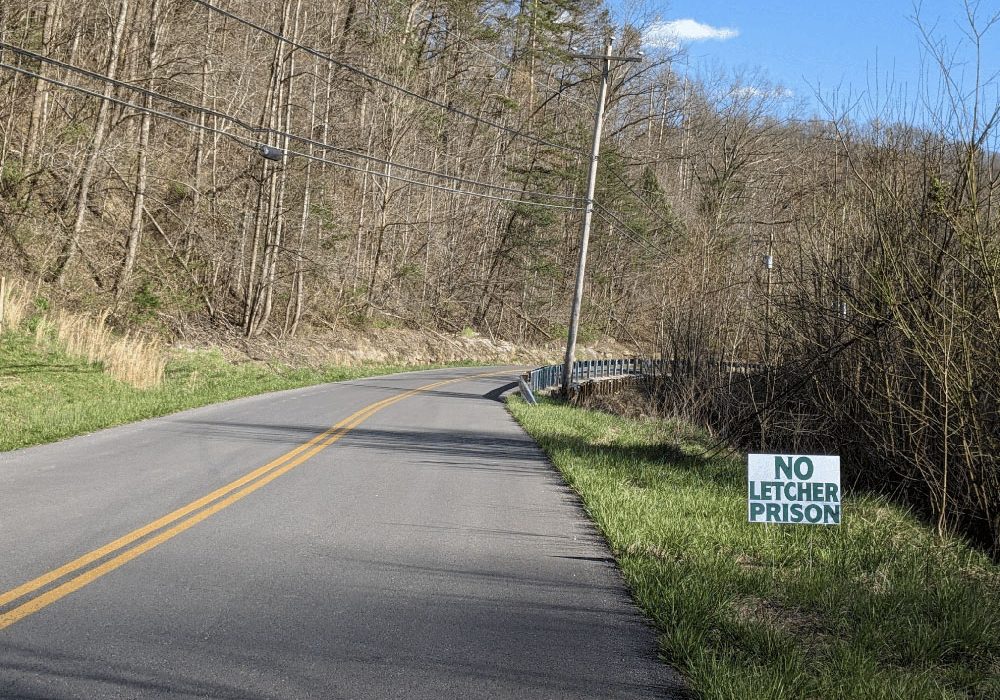
A $605 million proposal for a federal prison on a former strip mine site in Letcher County, Kentucky, championed by U.S. Rep. Hal Rogers, refuses to die, despite local opposition, a lack of support from the executive branch and numerous other obstacles.

Leave a comment
Your email address will not be published. Required fields are marked *
Leave a Comment