

Roanoke Electric Exemplifies Service to Members
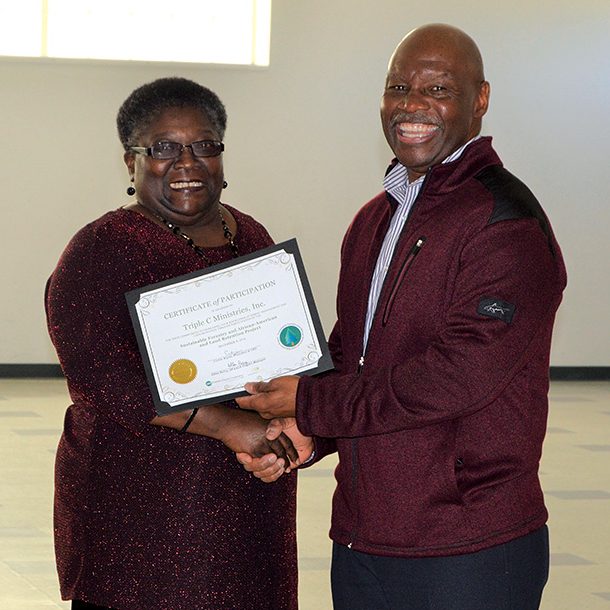
Alton Perry of the Sustainable Forestry and Land Retention Project presents an award to Cynthia Fannell of Triple C Ministries in recognition of the group’s forest management plan. Photo courtesy of SFLRP
The Eastern North Carolina co-op has implemented initiatives to boost community development and make clean energy more accessible.
At the center of Roanoke’s member empowerment efforts is their annual series of Straight Talk Community Forums, which over 400 members attend each year to share ideas and feedback with the co-op’s leaders. Additionally, many members take part in the Action Committee for Rural Electrification, a nationwide grassroots political action committee that backs political candidates who support electric cooperatives. Nearly 7 percent of the average household’s income in Roanoke Electric’s service area is spent on energy costs, more than double the national average energy burden of 3 percent.
To help their members reduce their electric bills, in 2013 Roanoke began to develop their Smart Energy Savings programs, which include wifi-enabled thermostats and smart water heater controls. Additionally, in 2015 they launched an on-bill energy efficiency finance program, Upgrade to $ave.
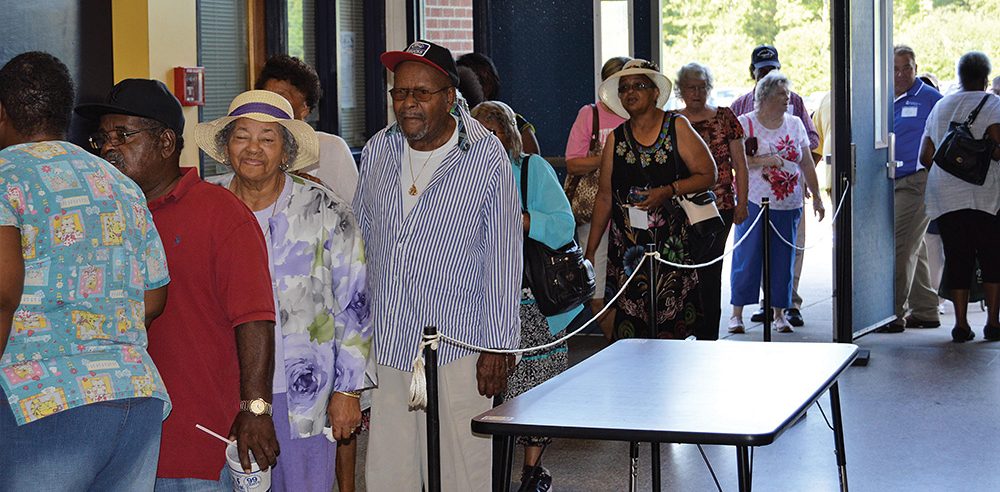
Roanoke Electric Cooperative member-owners attend the co-op’s annual meeting. Photo courtesy of Roanoke Electric Cooperative
Upgrade to $ave allows members to make energy efficiency improvements to their home, such as weatherization or more efficient heating and cooling systems, with no upfront costs. The resident then repays the cost of the improvements to the co-op through a new charge on their bill, which is more than offset by the amount they save because of the improvements. Over 400 member-owners have upgraded their homes and are now reaping an average savings of $58 per month through Upgrade to $ave.
Through this, Roanoke has invested more than $4 million back into the community. Additional projects focused on member concerns include a community solar energy program, expanded high-speed internet access and a workforce training program for energy efficiency contractors.
To address falling rates of land ownership in the area, particularly among African-American landowners, in 2013 Roanoke launched the Sustainable Forestry and African American Land Retention program in cooperation with the USDA’s Natural Resources Conservation Service. This program provides resources for landowners to manage their forests more sustainably and develop strategies for sustained family generational wealth.
More than two-thirds of Roanoke’s board of directors is black, representing the demographics of the majority African-American area. Additionally, CEO Curtis Wynn, hired in 1997, is the first black CEO of an electric co-op in the country.
“I must say as the chief operating officer of the company that I am very proud of how we can celebrate different thoughts, different opinions, and different backgrounds,” says Chief Operating Officer Marshall Cherry. “I think it really has done a lot of good for our organization and helps us to be able to really reach out to a mass of people because we have different perspectives coming out of our employee base.” — By Kennedy Kavanaugh
Related Articles
Latest News
More Stories

Halloween Approaches, and Night School Is in Session
The House of Art in Bluefield, West Virginia, looks like a haunted tower, making it the perfect location for its sixth annual haunt event: Night School. The Night School will be open every Friday and Saturday night through Oct. 31.
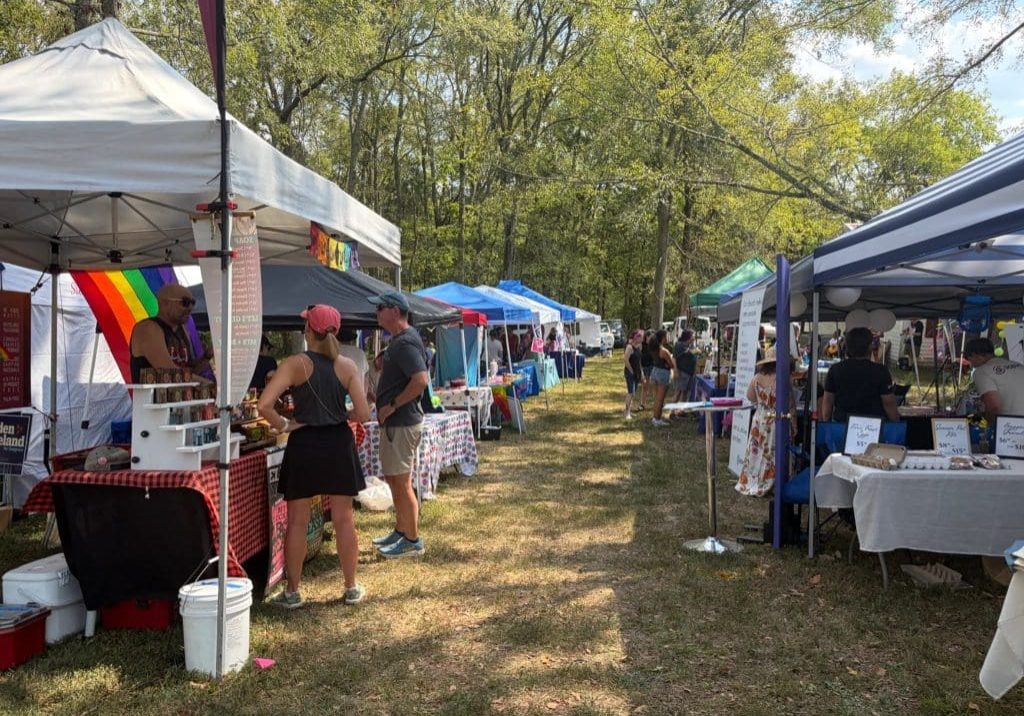
‘The Most Perfect Act of Love’
After losing its rural pride celebration, hundreds of people attended the second annual Affirming Sumner Pride celebration on a 24-acre farm dubbed “Fruity Farm” in Bethpage, Sumner County, Tennessee.

Signs of Life
In the Nantahala National Forest, a team of biologists spotted Indiana bats, an endangered species that hasn’t been seen in North Carolina for the last 11 years.

‘First Line of Defense’
During Hurricane Helene and its aftermath, rural fire departments and other first responder hubs played critical roles in keeping their communities safe, even without power and cut off from outside support for days or weeks after the storm. Two years later, plenty of work remains to ensure these hubs have the resources they need to operate day to day and be ready when emergencies or natural disasters strike.

The Rocky Road — and Bridge — to Recovery
Hurricane Helene is estimated to have damaged nearly 7,000 private roads and bridges in Western North Carolina. Two years later, many restoration projects are complete, but the journey hasn’t been easy — and isn’t over for others.
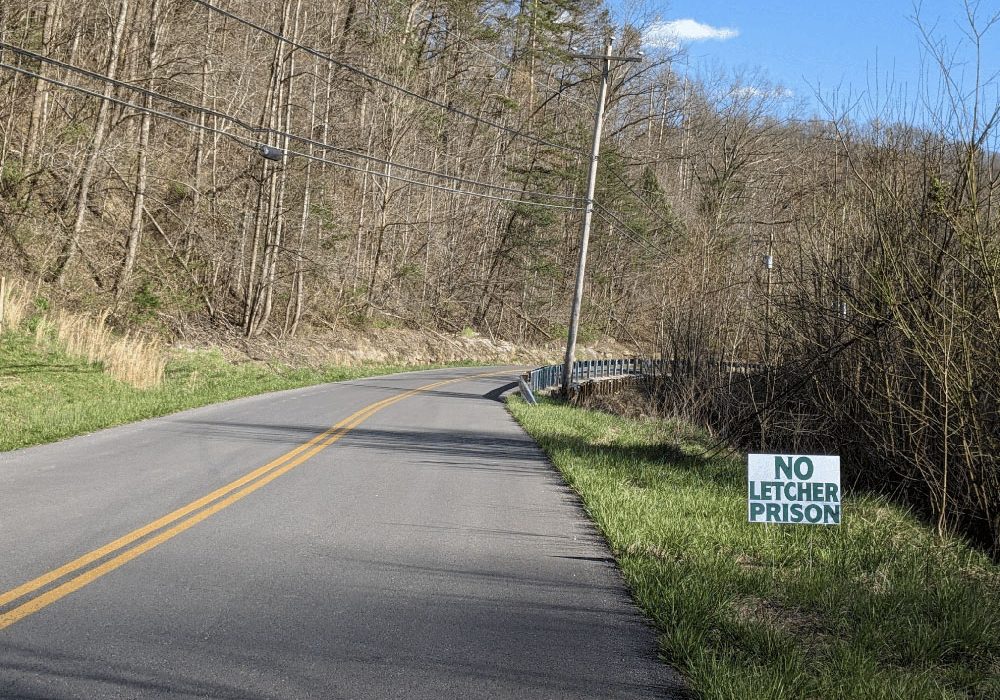
After 20 Years, Letcher County Prison Proposal Is Still Alive, Though Obstacles Remain
A $605 million proposal for a federal prison on a former strip mine site in Letcher County, Kentucky, championed by U.S. Rep. Hal Rogers, refuses to die, despite local opposition, a lack of support from the executive branch and numerous other obstacles.

Leave a comment
Your email address will not be published. Required fields are marked *
Leave a Comment