
The Appalachian Voice
Threats to the Land
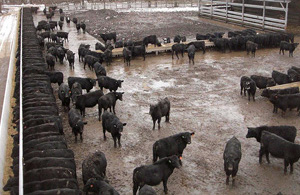
By Jillian Randel Since large-scale farms of today have replaced the small farms of old, the bucolic nature of farming has given way to more industrialized techniques that may not always be better. Large-scale farming operations pose a huge threat to the health of America’s waterways. A major source of contamination in drinking water is…
Read MoreYour Reading Guide to Living Off the Land
By Meg Holden Do you daydream about living in the forest, hunting and gathering to eat? Would you find peace on a farm, raising chickens and corn? Does your imagination thrive in a back yard garden? Live vicariously through these books, or use them as stepping stones to a new life of sustainability. Some of…
Read MoreThe Art of Mushrooming
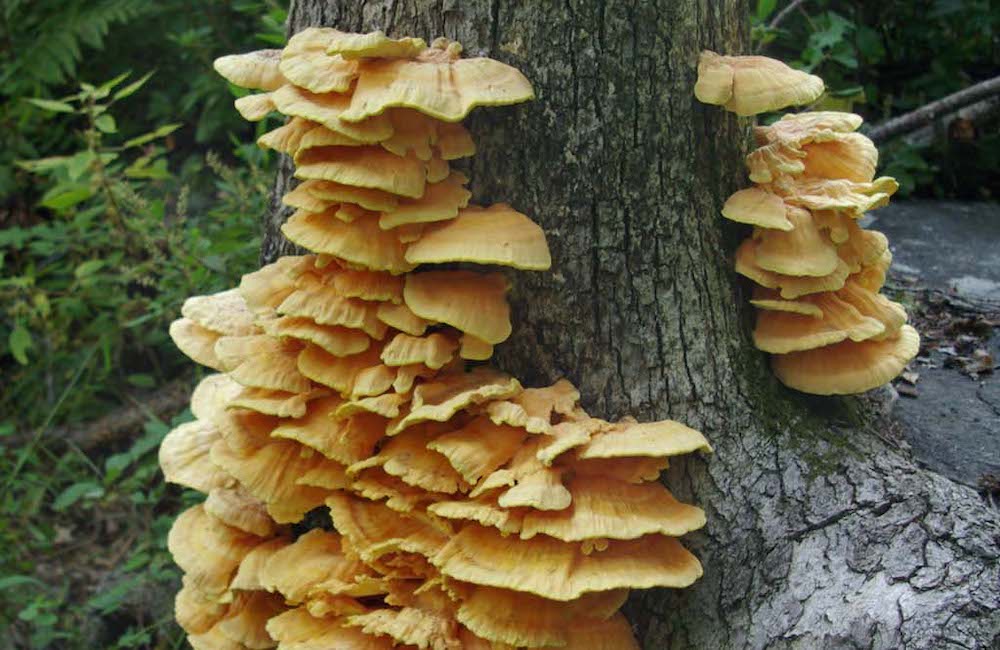
By Meg Holden From portabellas and button mushrooms to the more exotic truffles and shiitakes, there’s no “fun guy” like the edible mushroom. These tasty fungi bring flavor to stir fries, burgers, salads and more. But you do not have to go to a restaurant or the grocery store to take advantage of mushrooms—many edible…
Read MoreA Rush of Clean Energy at Pine Root Creek
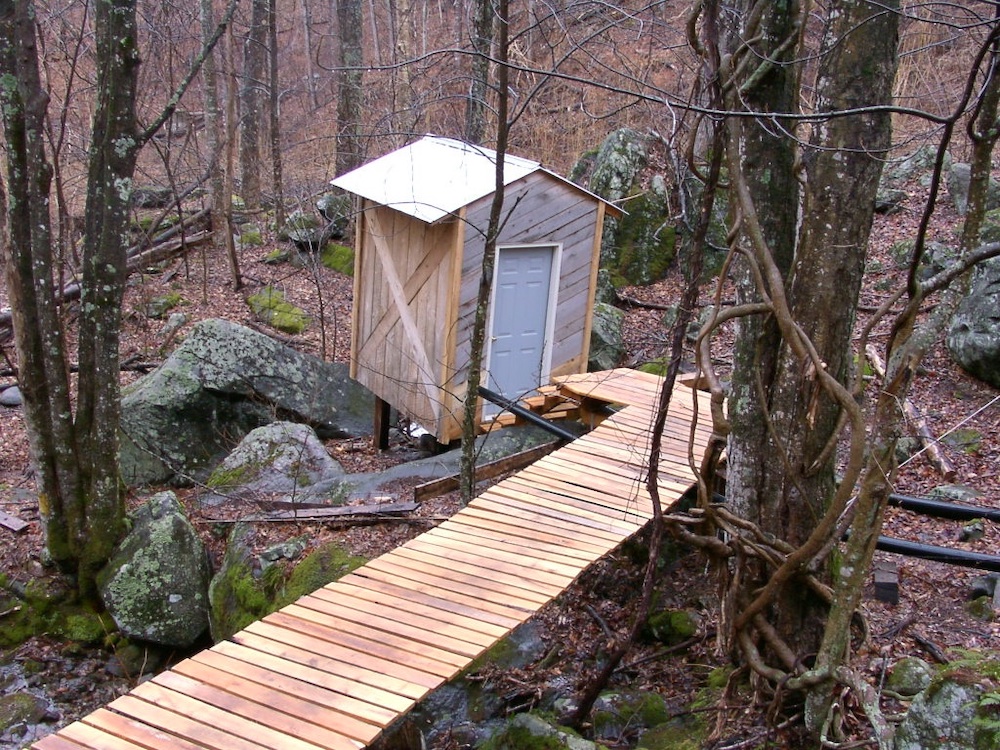
By Jesse Wood Just as kayakers and farmers love rain during a drought, so does Richard Cobb. “I just constantly hope for rain,” Cobb said. Cobb installed a 5-kilowatt microhydro system on his Mitchell County property in Buladean, N.C. in the late 1990s. Though he is environmentally conscious—green construction is his day job—Cobb’s primary motivation…
Read MoreInside Appalachian Voices
Taking A Stand in the War on Water By Erin Savage Though placid lakes and playful streams seem to say otherwise, a war on water is currently raging in the Appalachian Mountains. Here are just a few of the ways that Appalachian Voices is taking the plunge and combating water pollution. Read more at appvoices.org/waterwatch.…
Read MoreThe Coal Report
Controversy over Coal Jobs, Mercury Poisoning and Liquid Coal By JW Randolph The often slow pace of progress in Washington D.C. hasn’t stopped the Obama Administration—or a divided Congress—from continuing an uproarious debate about coal, carbon and climate in the first half of 2011. In May, a House of Representatives subcommittee held a two part…
Read MoreSeeing the Forests Because We Left The Trees
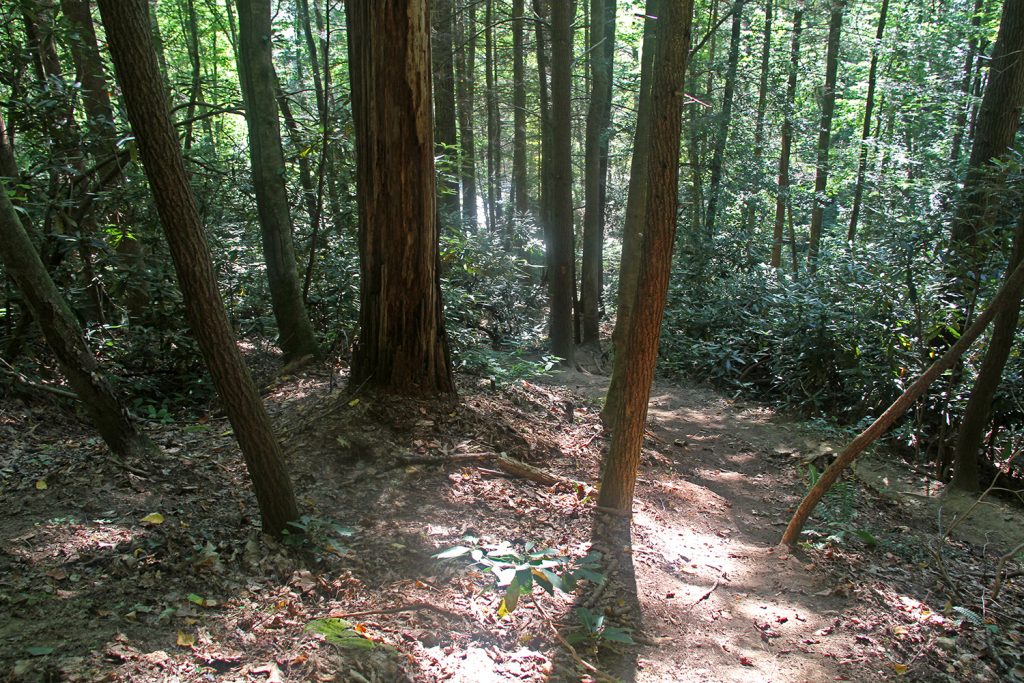
The region of central and southern Appalachia has more national land of any other region east of the Rockies. The parks and forests of Appalachia bring tourism, and tourism brings tourist dollars which help to boost the economies of our small mountain communities. With 2,193 hiking and biking trails—including 330 miles of the Appalachian Trail—in just the Jefferson and George Washington national forests alone, even the most rabid eco-tourist should have plenty do to for a while.
Read MoreEditorial and Viewpoint
Blair Mountain: Preserving Our History, Our Integrity “And if all others accepted the lie which the Party imposed—if all records told the same tale—then the lie passed into history and became truth. ‘Who controls the past’ ran the Party slogan, ‘controls the future: who controls the present controls the past.’” — 1984, George Orwell Few…
Read MoreThe Waterfalls of Appalachia
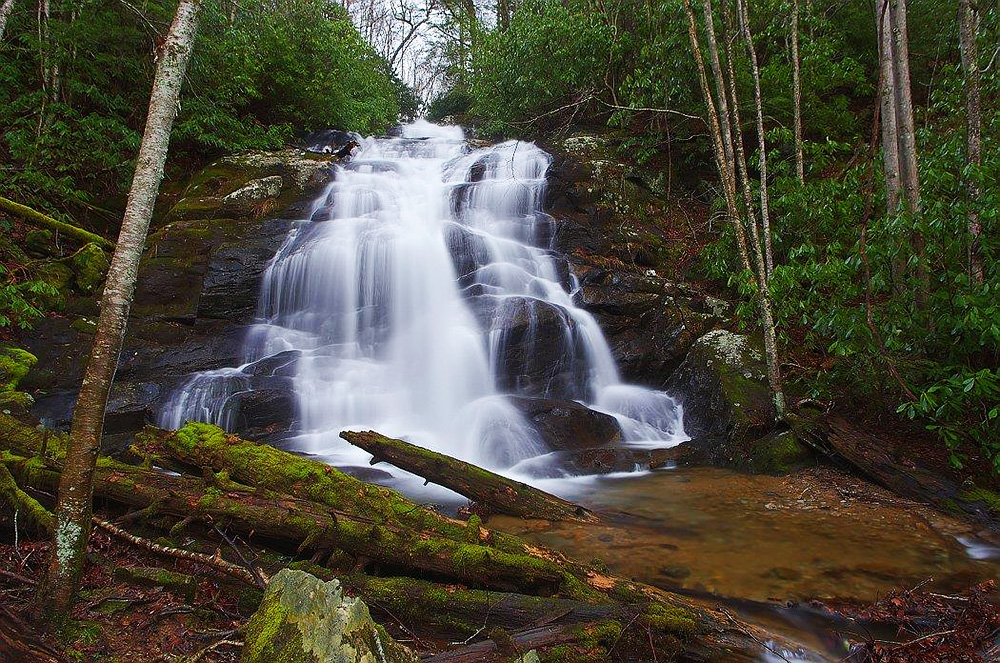
Here are but six of the hundreds of named and unnamed waterfalls that tumble and twist through our Appalachian mountains. We hope you enjoy! See the state maps in this issue for location indicators. Virginia — Crabtree Falls By Joe Tennis A mere six miles off the Blue Ridge Parkway, near Milepost 27 in Nelson…
Read MoreHidden Treasures-West Virginia
A ruggedly beautiful landscape makes the Mountain State a huge draw for outdoor enthusiasts, but environmentally destructive mining practices pose a growing threat to attracting eco-tourism. Mountaintop Removal Threatens Outdoor Mecca By Jesse Wood Once a booming coal town in southern West Virginia, Fayetteville thrives today because of the outdoor recreation and tourism industry. Yet…
Read More