

The Art of Mushrooming
By Meg Holden
From portabellas and button mushrooms to the more exotic truffles and shiitakes, there’s no “fun guy” like the edible mushroom. These tasty fungi bring flavor to stir fries, burgers, salads and more. But you do not have to go to a restaurant or the grocery store to take advantage of mushrooms—many edible varieties can be found growing in the wild. You may be able to wildcraft, or forage, mushrooms to supplement your next meal.
Ready to try your hand at wild-crafting mushrooms?
Find an expert to help you identify edible fungi, or consult a resource like Mushrooming Without Fear by Alexander Schwab (Skyhorse Publishing, 2007).
The Appalachian Voice reminds you never to eat wildcrafted plants or fungi unless you are certain of its identification. When in doubt, consult an expert. Never eat plants or fungi from roadside or sites where chemicals may have been used. Thoroughly wash all plants and fungi before eating them.
There are many native mushrooms growing wild in the Appalachian woods—morels (Morchella spp.), chanterelles (Cantharellus spp. and Craterellus spp.), lion’s mane (Hericium spp.), maitake (Grifola frondosa), and lobster mushroom (Hypomyces lactifluorum), to name a few. But wildcrafting around here takes more than just knowing the common mushrooms.
“’Common’ for mushrooms doesn’t mean that they are easy to find,” said Dr. John Walker, mycologist and assistant professor of biology at Appalachian State University. “You have to be in the right habitat at the right time and have a bit of luck on your side unless you have a known patch.”
For first-timers, it is recommended that you forage with an expert and consult a book for every mushroom you gather from the wild. Keep in mind that mushrooms will absorb toxins from the environment. Even a perfect morel will be unsafe to eat if it has been exposed to toxic substances such as pesticides, herbicides, or car exhaust.
While searching for edible mushrooms, the most important thing to remember is that many mushrooms are not edible—and accidentally putting one of these in your omelet can be deadly.
“It is urgent that collectors know exactly what they are collecting and they should also be familiar with toxic look-alikes,” said Walker. “Most of the common species are distinct and can be reliably identified by inexperienced collectors with proper initial guidance.”
All wildcrafters should be conscious of what, how, and how much they harvest from the wild. While the commercial use of some native plant species, such as the wild onions known as ramps, has led to a decline in their proliferation, responsible harvesting of native mushrooms should help wildcrafters avoid a similar fate for their favorite fungi, according to Walker.
Most mushrooms grow individually from a large, underground mass called a “mycelium,” much like apples grow individually from a tree. As long as harvesters do not damage the mycelium, mushrooms will proliferate in the same area year after year.
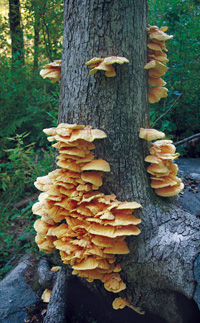 Another way to avoid harming wild populations of native mushrooms is to cultivate them domestically. Shiitake logs have proven to be a popular way to grow mushrooms, and similar methods may increase production of native Appalachian species. Oyster mushrooms (Pleurotus ostreatus), lion’s mane and maitakes have all been cultivated successfully.
Appalachian mushrooms, though often overlooked, are a vital part of the mountain ecosystem. According to Walker, fungi perform critical functions such as breaking down woods debris and providing water and nutrients to forest plants. Some mushrooms are even able to filter out pollutants—oyster mushrooms are known to remediate compounds such as DDT.
With mushrooms being so invaluable, from helping trees grow to helping feed Appalachian residents, protecting these fungi is vital. According to Walker, European mushroom populations, including edible species, have been declining in recent years, most likely due to declining air quality. Preventing pollution and harvesting responsibly will allow Appalachian mushrooms to proliferate, letting wildcrafters enjoy these “fun guys” for generations to come.
Related Articles
Latest News
More Stories

Halloween Approaches, and Night School Is in Session
The House of Art in Bluefield, West Virginia, looks like a haunted tower, making it the perfect location for its sixth annual haunt event: Night School. The Night School will be open every Friday and Saturday night through Oct. 31.
‘The Most Perfect Act of Love’
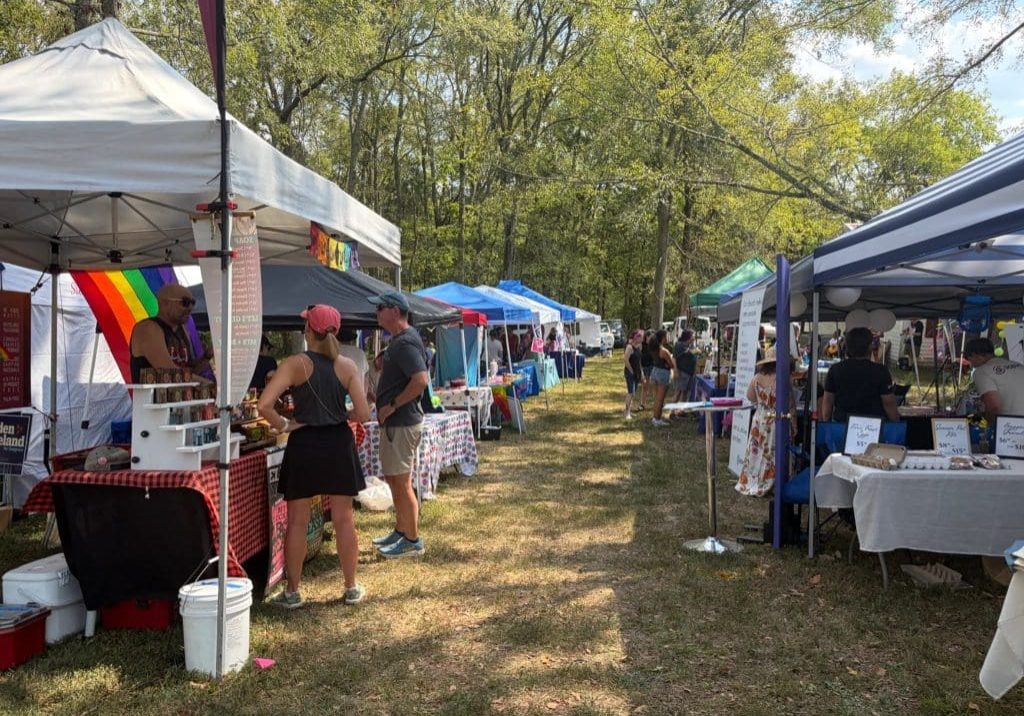
After losing its rural pride celebration, hundreds of people attended the second annual Affirming Sumner Pride celebration on a 24-acre farm dubbed “Fruity Farm” in Bethpage, Sumner County, Tennessee.
Signs of Life
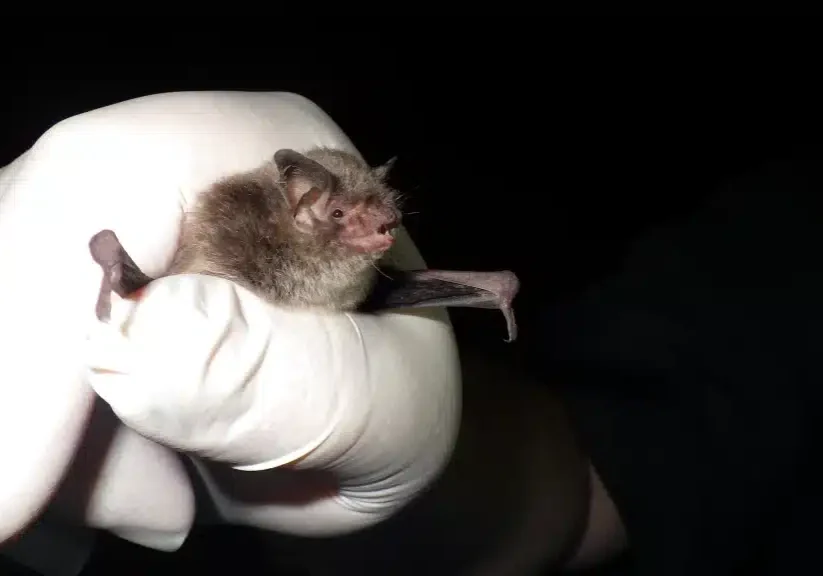
In the Nantahala National Forest, a team of biologists spotted Indiana bats, an endangered species that hasn’t been seen in North Carolina for the last 11 years.

‘First Line of Defense’
During Hurricane Helene and its aftermath, rural fire departments and other first responder hubs played critical roles in keeping their communities safe, even without power and cut off from outside support for days or weeks after the storm. Two years later, plenty of work remains to ensure these hubs have the resources they need to operate day to day and be ready when emergencies or natural disasters strike.
The Rocky Road — and Bridge — to Recovery
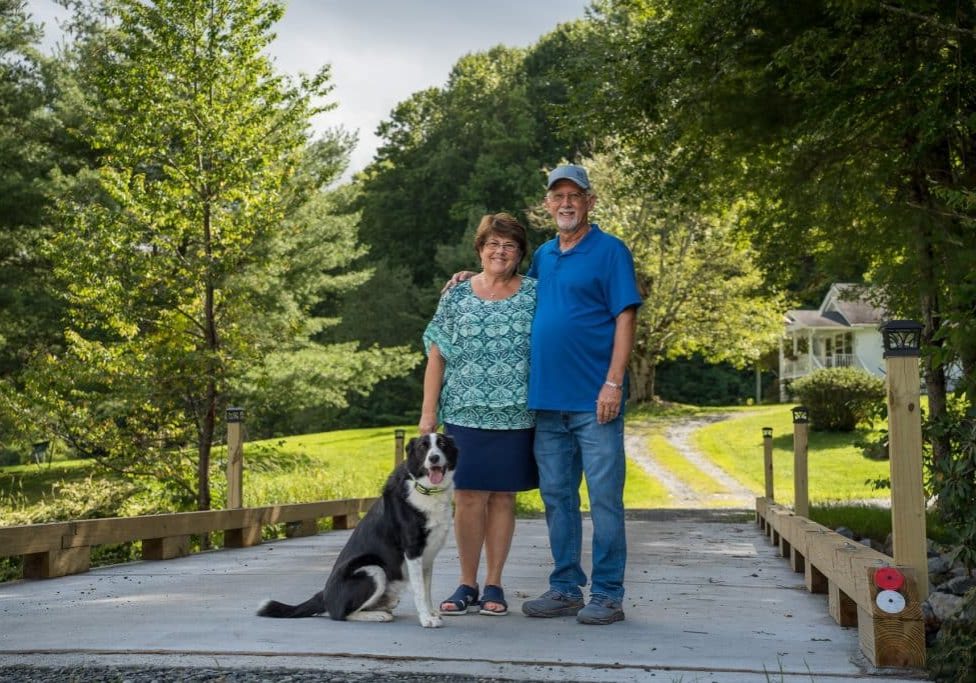
Hurricane Helene is estimated to have damaged nearly 7,000 private roads and bridges in Western North Carolina. Two years later, many restoration projects are complete, but the journey hasn’t been easy — and isn’t over for others.
After 20 Years, Letcher County Prison Proposal Is Still Alive, Though Obstacles Remain
A $605 million proposal for a federal prison on a former strip mine site in Letcher County, Kentucky, championed by U.S. Rep. Hal Rogers, refuses to die, despite local opposition, a lack of support from the executive branch and numerous other obstacles.

Leave a comment
Your email address will not be published. Required fields are marked *
Leave a Comment