

New river organic growers find themselves growing
Organic farming is one of the fastest growing markets in the agricultural industry, and the New River Organic Growing (NROG) cooperative wants to fill this niche.
“The demand is here,” Charles Church, an original member of NROG, said. “People eat everyday and somebody has to grow food. That’s one thing you know people will buy.”
Charles Church, a 62 year-old farmer from Valle Crucis, remembers when times weren’t so good. “We’ve come from a time we grew a lot of stuff,” Church said, “and we had to throw a way a lot of it cause’ we didn’t have the markets.
Now, Church said, our food is sold before it is even harvested.
With increased demand for food comes increased demand for farmers. Church said, “We need more farmers, we need more growers.”
Twice a month they meet, alternating between Ashe and Watauga County, to discuss problems and figure out solutions.
Though NROG farmers farm individually, they support and learn from each other. At these meetings, Church said, “There’s always somebody with the answers.”
NROG is a close-knit group. At their February 18th meeting, laughter weaved its way into business talk about production lists, websites, and grant money.
NROG will purchase a refrigerated truck – their primary need – with a Tobacco Trust Fund grant, written by Hollis Wild of New River Community Partners (NRCP). NRCP and NROG work together to create a sustainable, local food system, NROG president, Deborah Aldridge, said.
NROG is looking for a truck with these specifications: a refrigerated, diesel truck weighing 12,000 lbs. empty, 16’ – 18’ long, with independent hook-ups and an electric lift.
This truck will pick up fresh, organic produce at NROG member farms and deliver it to farmer’s markets, grocery stores, and restaurants, such as The Gamekeeper in Boone. 50% of The Gamekeeper’s produce is organic and locally grown.
Angie Pate, NROG marketer, said Ken Gordon of the Gamekeeper is “the chef, who by far, buys the most from us and is the most committed to supporting local agriculture.”
Gordon responded, “I’m happy to help keep local farming alive. With the cost of land going through the roof, I’m happy to help keep it in the hands of those who are actually using it.”
It’s true; local, small farming is not dead. These are other businesses buying from the co-op: Westglow, Earthfare, Bistro Roca, Melanie’s Food Fantasy, and Storie Street Grille.
NROG began with one farmer eight years ago, Church said. This is its first year as an official co-op. Church said, “We’ve come a long way. But we have a long way to go.”
For more information about NROG contact President Deborah Aldridge at [email protected] or NROG marketer Angie Pate at [email protected] and (828) 406 2533.
Related Articles
Latest News
More Stories

Halloween Approaches, and Night School Is in Session
The House of Art in Bluefield, West Virginia, looks like a haunted tower, making it the perfect location for its sixth annual haunt event: Night School. The Night School will be open every Friday and Saturday night through Oct. 31.
‘The Most Perfect Act of Love’
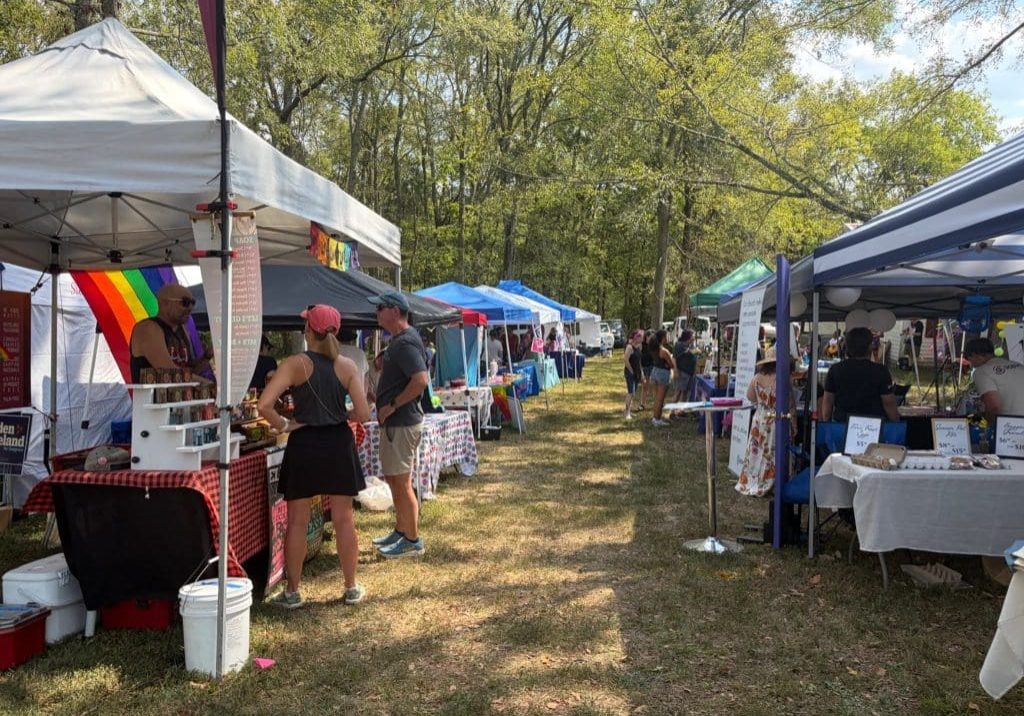
After losing its rural pride celebration, hundreds of people attended the second annual Affirming Sumner Pride celebration on a 24-acre farm dubbed “Fruity Farm” in Bethpage, Sumner County, Tennessee.

Signs of Life
In the Nantahala National Forest, a team of biologists spotted Indiana bats, an endangered species that hasn’t been seen in North Carolina for the last 11 years.

‘First Line of Defense’
During Hurricane Helene and its aftermath, rural fire departments and other first responder hubs played critical roles in keeping their communities safe, even without power and cut off from outside support for days or weeks after the storm. Two years later, plenty of work remains to ensure these hubs have the resources they need to operate day to day and be ready when emergencies or natural disasters strike.

The Rocky Road — and Bridge — to Recovery
Hurricane Helene is estimated to have damaged nearly 7,000 private roads and bridges in Western North Carolina. Two years later, many restoration projects are complete, but the journey hasn’t been easy — and isn’t over for others.
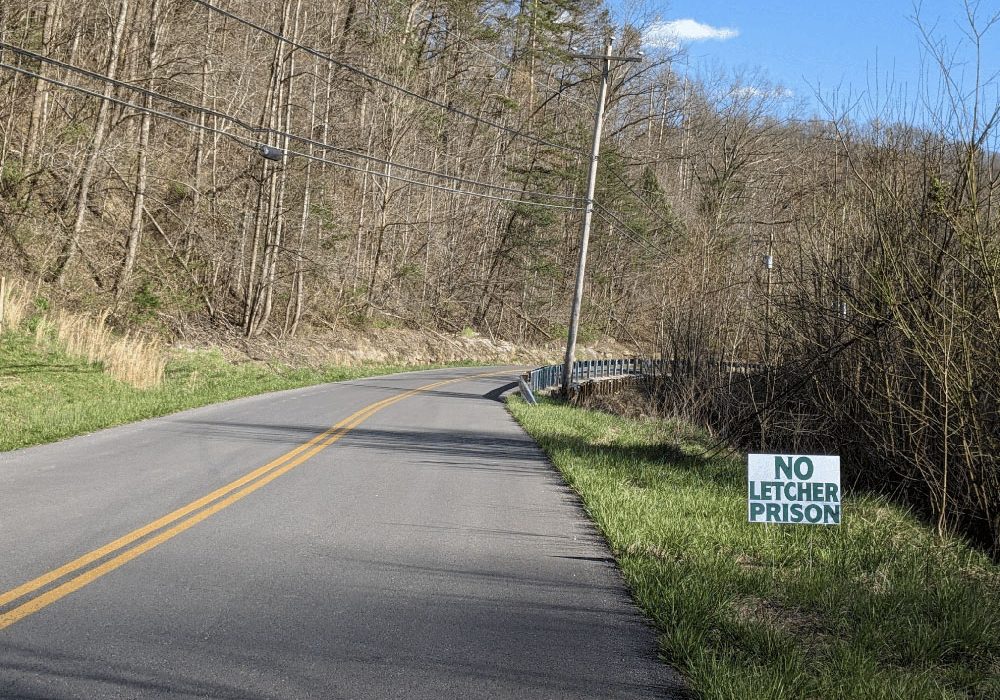
After 20 Years, Letcher County Prison Proposal Is Still Alive, Though Obstacles Remain
A $605 million proposal for a federal prison on a former strip mine site in Letcher County, Kentucky, championed by U.S. Rep. Hal Rogers, refuses to die, despite local opposition, a lack of support from the executive branch and numerous other obstacles.

Leave a comment
Your email address will not be published. Required fields are marked *
Leave a Comment