

Preservationists win second battle of Blair Mountain
A twenty year battle to preserve the site of the historic Blair Mountain miners uprising is ending with a victory for labor and the environment.
In a hearing February 22, the West Virginia Archives and History Commission gave its unanimous final recommendation for the preservation of 1600 acres of the Blair Mountain Battlefield as a National Historic Site. The recommendation was endorsed by the United Mine Workers, the WV state legislature and many other groups. The recommendation will be forwarded to the keeper of the National Register of Historic Places for what should be a routine final approval.
The recommendation has been opposed by several coal companies who own mineral rights to the area and had planned on expanding a nearby mountaintop removal mine site.
The coal companies claimed that historic preservation was just a ruse to keep the land from being mined. But independent labor historians and archeological experts such as Dr. Harvard Ayers of the Anthropology Department of Appalachian State University testified that the site has enormous significance. An archeologist hired by the coal industry attempted to make the point that the site was unimportant, but it was successfully criticized by Ayers and members of the commission.
Among groups endorsing historic designation was the UMWA: “We believe it is important for future generations to stand on that ground,” said Cecil Roberts, president of the UMWA, in a letter to the commission. “This is a personal issue for me and thousands of others. It was a fight for justice, and we will never forget it, nor should America.”
The West Virginia House of Delegates passed a unanimous resolution in March, adding its support to the commission’s nomination of the battlefield. The resolution said that the Battle of Blair Mountain and subsequent trials “had a major impact on the history of the American Labor Movement for decades to follow. … Until recently, the scope and importance of the Battle of Blair Mountain was little known or understood beyond our state’s borders.”
Over the years, the preservation issue has ping-ponged back and forth between state and federal authorities, with pressure from the coal industry on the one hand and a mounting pile of archeological and historical evidence about the extent of location of fighting on the other.
“Field researchers have made significant findings,” said Ayers. “The archeological data gathered from the sites … clearly substantiate and corroborate the historical record. And there is so much still to be learned from the battlefield through archeological research.”
The value of the site, about 50 miles south of Charelston WV, is equivalent to better known battlefields like Gettysburg or Chancellorsville, Ayers said.
BLAIR MT
Related Articles
Latest News
More Stories
Signs of Life
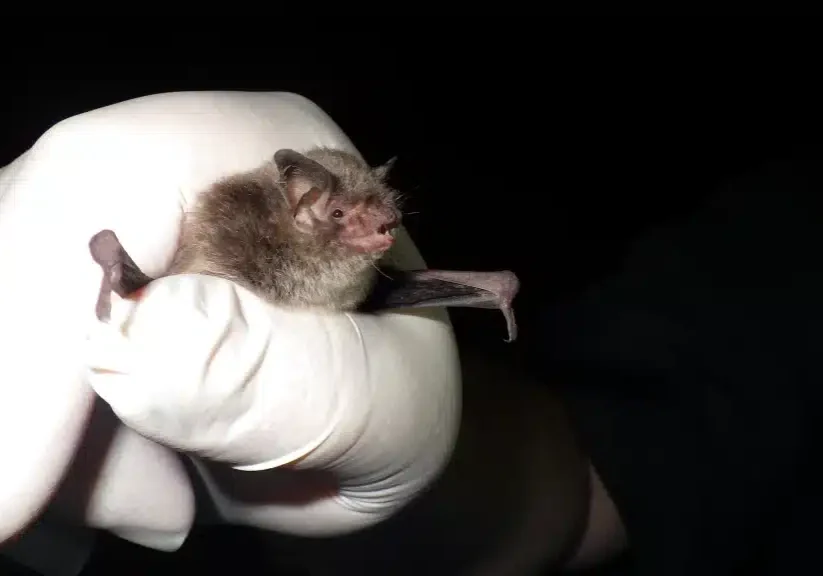
In the Nantahala National Forest, a team of biologists spotted Indiana bats, an endangered species that hasn’t been seen in North Carolina for the last 11 years.
‘First Line of Defense’
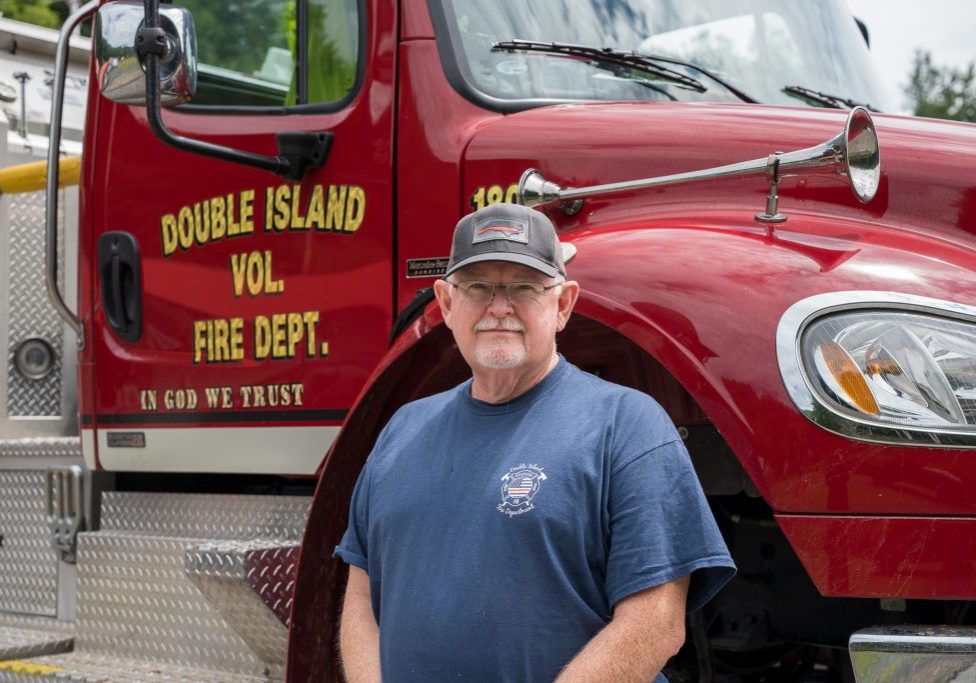
During Hurricane Helene and its aftermath, rural fire departments and other first responder hubs played critical roles in keeping their communities safe, even without power and cut off from outside support for days or weeks after the storm. Two years later, plenty of work remains to ensure these hubs have the resources they need to operate day to day and be ready when emergencies or natural disasters strike.
The Rocky Road — and Bridge — to Recovery
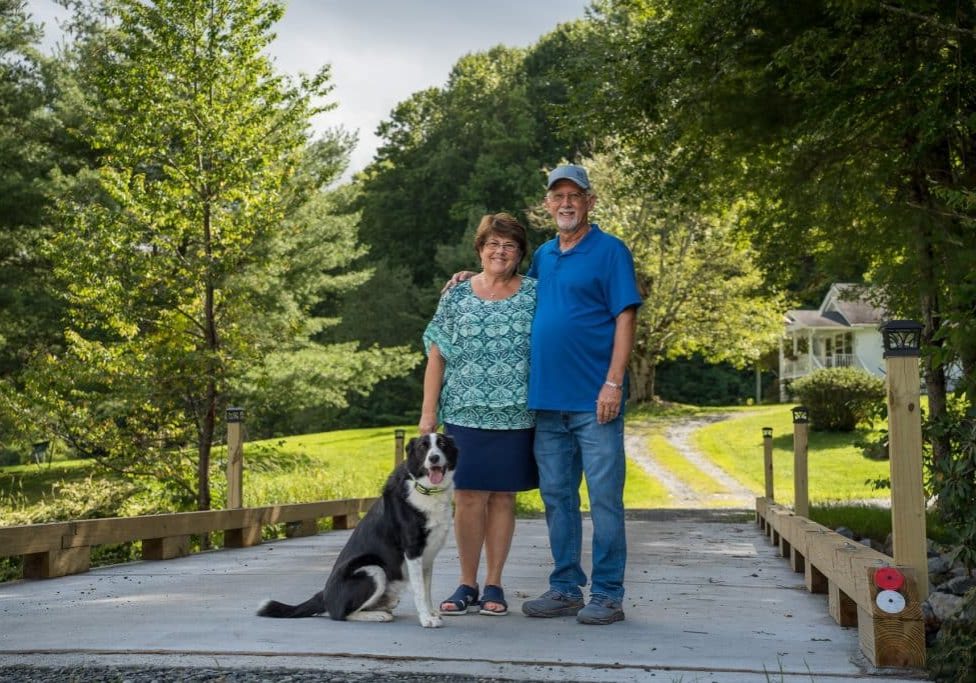
Hurricane Helene is estimated to have damaged nearly 7,000 private roads and bridges in Western North Carolina. Two years later, many restoration projects are complete, but the journey hasn’t been easy — and isn’t over for others.
After 20 Years, Letcher County Prison Proposal Is Still Alive, Though Obstacles Remain
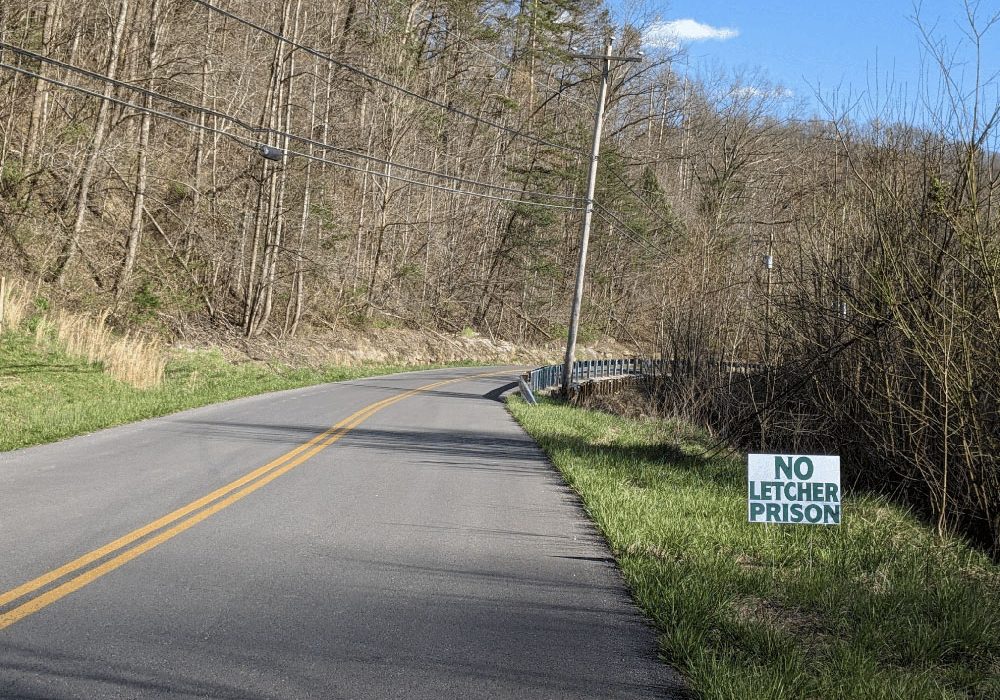
A $605 million proposal for a federal prison on a former strip mine site in Letcher County, Kentucky, championed by U.S. Rep. Hal Rogers, refuses to die, despite local opposition, a lack of support from the executive branch and numerous other obstacles.
The Washout and Rebuild
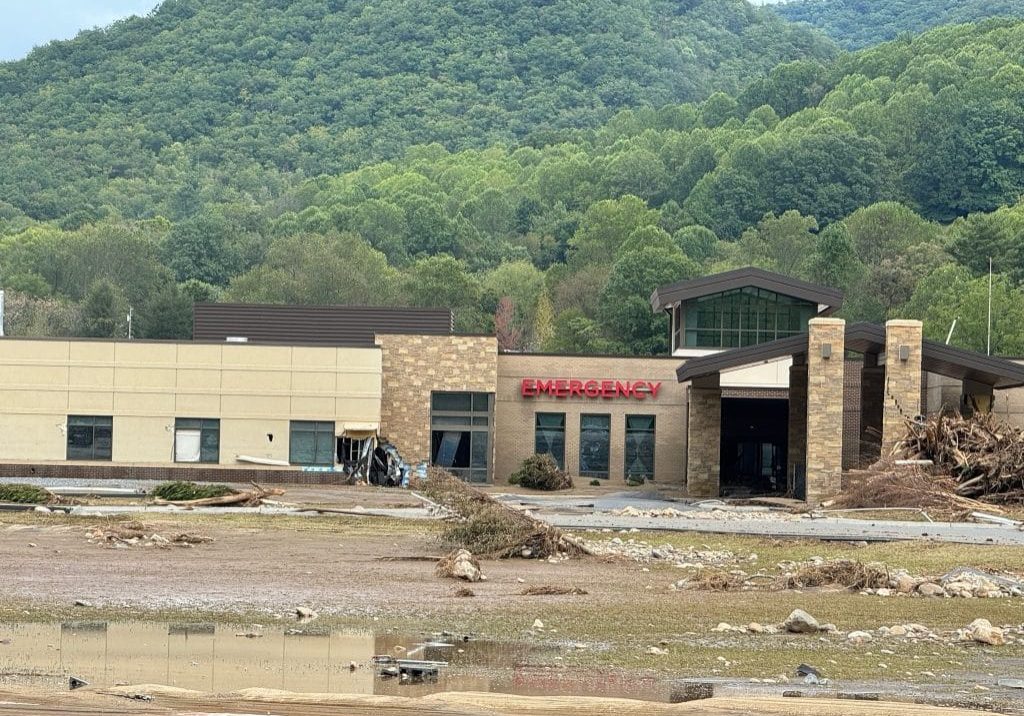
For nearly two years, residents of Unicoi County, Tennessee, have had to make do without a hospital after Hurricane Helene destroyed the rural hospital. Ballad Health, which owns the hospital, broke ground on a new location — in another floodplain — in August 2026.

The Shenandoah Salamander
The Shenandoah salamander is a woodland salamander, which has adapted to life at higher elevations away from water. This sparkling rarity lives among the dry leaves, cracked logs, and stony hillocks on the highest peaks of Shenandoah National Park.

Leave a comment
Your email address will not be published. Required fields are marked *
Leave a Comment