

The ghosts of Buffalo Creek
On the 35th anniversary of the Buffalo Creek disaster, we remember with great sorrow the 125 innocent men, women and children who lived their lives in harm’s way and lost them due to the recklessness of Pittston Coal Company.
We will never forget the unethical engineering that brought millions of gallons of water crashing down Buffalo Creek that morning of Feb. 26, 1972. We are still deeply embarrassed at the the shameless excuses from some of the region’s politicians. And we remain horrified at the outright lie, expressed by Pittston, that the disaster was an “Act of God.”
It would be a disservice to the restless ghosts of Buffalo Creek if we did not also remember those who continue to live in harms way. They are the ones who, even now, listen with fear at the sound of rain, and who still stand to lose their lives from the continued recklessness of the coal business.
Its not as if there were no alternatives. Spending only one dollar per ton of coal more on dry filter presses would have avoided the problem.
Like other great disasters of the past century — from the Titanic to Katrina — Buffalo Creek has become a potent symbol of what happens when a technological society loses its humanity.
The victims of Buffalo Creek stand witness, like Jacob Marley’s ghost, reminding the modern coal industry that their business is not only about money. As Marley said: ‘Mankind was my business. The common welfare was my business; charity, mercy, forbearance, and benevolence were, all, my business.”
Marley was already in chains. But his warning saved Scrooge and, if the politicians and the coal executives would only listen, a warning from the ghosts of Buffalo Creek may yet save innocent lives in the coal fields of Appalachia.
Related Articles
Latest News
More Stories

Halloween Approaches, and Night School Is in Session
The House of Art in Bluefield, West Virginia, looks like a haunted tower, making it the perfect location for its sixth annual haunt event: Night School. The Night School will be open every Friday and Saturday night through Oct. 31.

‘The Most Perfect Act of Love’
After losing its rural pride celebration, hundreds of people attended the second annual Affirming Sumner Pride celebration on a 24-acre farm dubbed “Fruity Farm” in Bethpage, Sumner County, Tennessee.
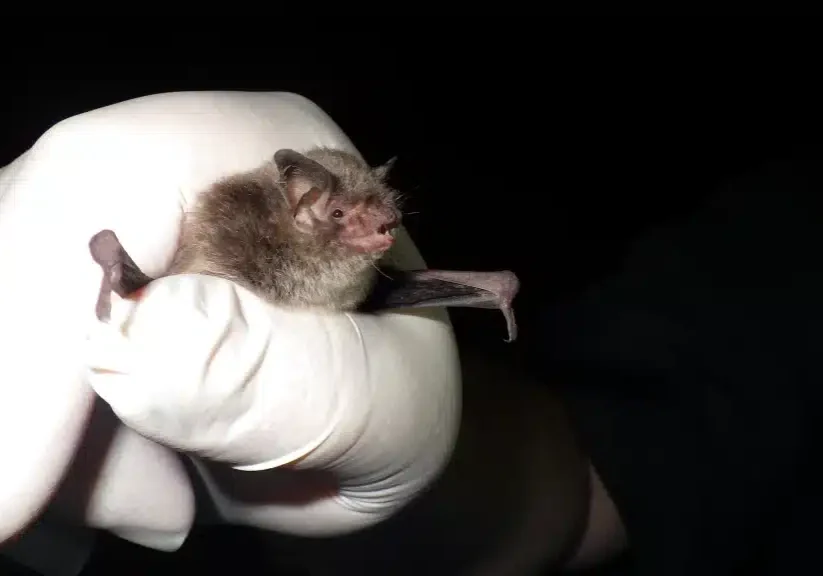
Signs of Life
In the Nantahala National Forest, a team of biologists spotted Indiana bats, an endangered species that hasn’t been seen in North Carolina for the last 11 years.

‘First Line of Defense’
During Hurricane Helene and its aftermath, rural fire departments and other first responder hubs played critical roles in keeping their communities safe, even without power and cut off from outside support for days or weeks after the storm. Two years later, plenty of work remains to ensure these hubs have the resources they need to operate day to day and be ready when emergencies or natural disasters strike.

The Rocky Road — and Bridge — to Recovery
Hurricane Helene is estimated to have damaged nearly 7,000 private roads and bridges in Western North Carolina. Two years later, many restoration projects are complete, but the journey hasn’t been easy — and isn’t over for others.
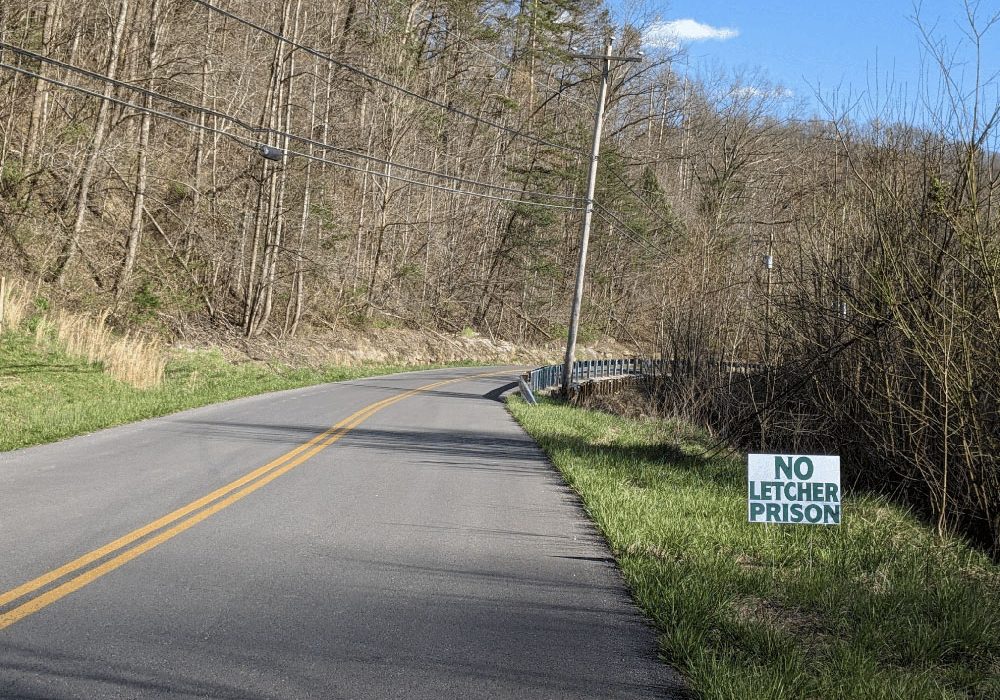
After 20 Years, Letcher County Prison Proposal Is Still Alive, Though Obstacles Remain
A $605 million proposal for a federal prison on a former strip mine site in Letcher County, Kentucky, championed by U.S. Rep. Hal Rogers, refuses to die, despite local opposition, a lack of support from the executive branch and numerous other obstacles.

Leave a comment
Your email address will not be published. Required fields are marked *
Leave a Comment