
The Appalachian Voice
Beware of Muggles: The Quest for the Geocache

Story by Maureen Halsema Space Cadet reads out the clues of the cache. While Zergle decodes the hidden message, Map Man checks the GPS. “We should be right on top of it,” Map Man says. Space Cadet scans the area as Zergle pauses to think. Where could the cacher have hidden the treasure? The hunt…
Read MoreConserving Appalachia: Land Trusts Strive To Protect Natural Areas
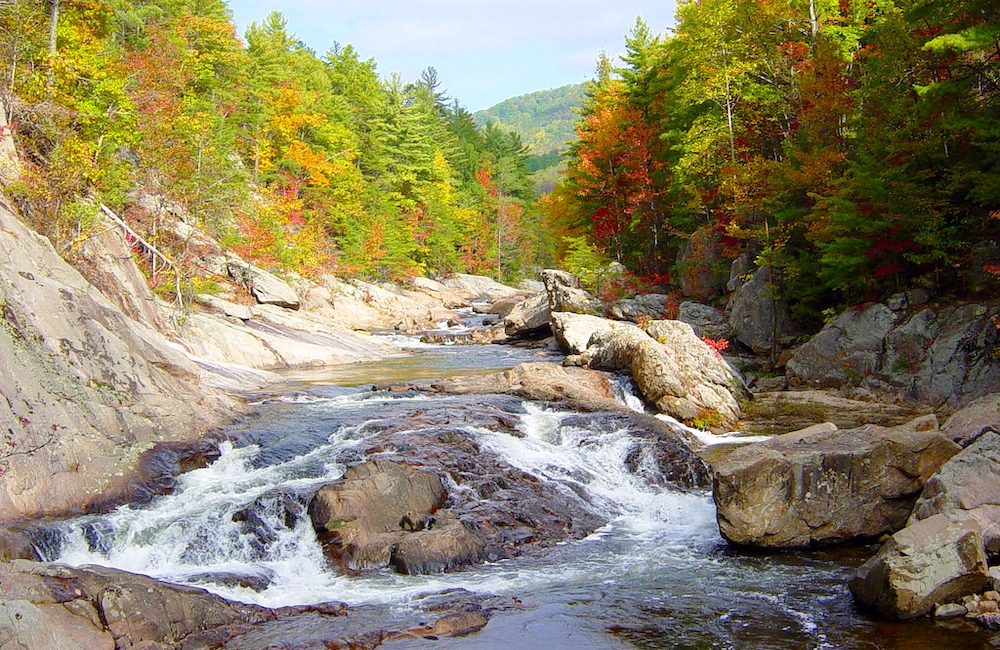
Story by Julie Johnson Thanks to organizations like the Blue Ridge Conservancy, land trusts have protected hundreds of thousands of acres in Appalachia from development—and counting. In North Carolina, the Blue Ridge Conservancy— recently formed from the merger of two existing organizations—has collectively protected over 15,000 acres of rural and scenic land in the northwestern…
Read MoreLearning to “Live Lightly” on The Farm in Summertown
Story by Julie Johnson Home building can be one of the most challenging aspects of a carbon-neutral lifestyle. At the The Farm Ecovillage Training Center in Summertown, Tenn., participants learn how to build and maintain their dwellings in an environmentally friendly way. Traditional stick-frame construction is a cheap and fast way to build, but it…
Read MoreGet Back to the Nature of Firefly Gathering
“The Firefly Gathering helps people to deepen and expand their connection with the natural world through providing Earth Skills education, networking, and good, old fashioned fun by the fire.” The Firefly Gathering is a four-day event that focuses on the instruction of “Earth Skills.” Earth Skills can be anything from wilderness survival techniques to sustainable…
Read MoreHome Grown: Farming in the Shadow of Coal
Story by Julie Johnson Many farmers in the coalfields are finding environmental pollution has ruined their irrigation. “In the coal fields,” said Martin Richards, Economic Development Organizer for Kentuckians for the Commonwealth, “you can have a nice piece of bottom land with great soil, but if there is a mine site, active or inactive, in…
Read MoreHome Grown: Saving Appalachian History – One Seed at a Time
By Julie Johnson Appalachia’s growers are encouraging crop diversity and saving heirloom vegetable varieties from extinction by creating a network of seed saving and swapping. Heirloom fruits and vegetables are often far tastier than their supermarket cousins and express characteristics that have been developed by generations of natural growth in backyard gardens and small farms.…
Read MoreHome Grown: Appalachia’s Farmers Build Community
Story by Julie Johnson As locally produced foods gain popularity, Appalachia’s family farmers help create a supportive system of community services to reclaim the marketplace. Sprouting a Small Farm “In this region, where people have always relied on self-sufficiency, agriculture is about making a job,” said Martin Richards, a former farmer and current Economic Development Organizer for…
Read MoreSeverance Tax Leaves Kentucky in the Red
By Julie Johnson The money that coal, timber, oil and natural gas companies pay in severance taxes is less than the subsidies provided by the state to the same companies, according to a recent study by the Mountain Association for Community Economic Development (MACED). MACED examined Kentucky’s 2006 revenue from the coal industry—including severance taxes—and…
Read MoreSustainability and Conscious Sound: Music on the Mountaintop
By Megan Naylor Moving into its third year, Music on the Mountaintop festival, an event that unites music and environmental consciousness, has swiftly evolved into one of the largest-scale music festivals ever to be held in Boone, N.C. The two-day event will take place August 27 to 28, and will feature headliners Sam Bush, Keller…
Read MoreWhat’s the Buzz About Honey Bees?
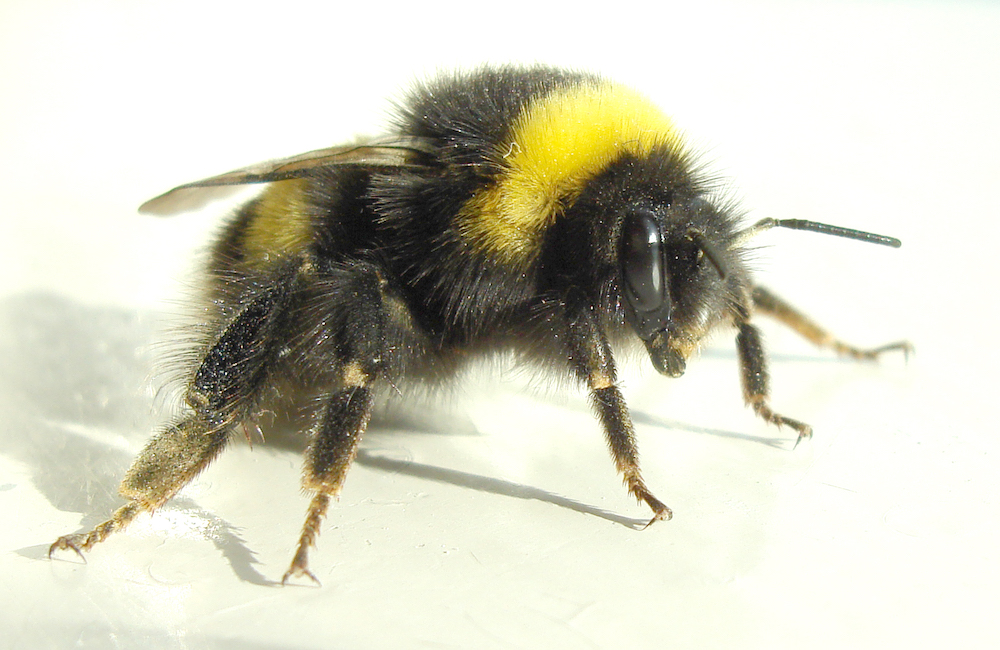
By Maureen Halsema Empty hives around the globe have alerted beekeepers and scientists to a crisis: honey bees are disappearing, and no one knows exactly why. According to the United States Department of Agriculture (USDA), honey bees are essential for production of over 90 food crops and $15 billion in added crop value. Honey bees…
Read More