
The Appalachian Voice
NauHaus—A Sustainable Home For Today

By Maureen Halsema Combining ancient building methods with modern science, a group of engineers and scientists are striving to change the world through structural design. The goal: to create a carbon neutral home and increase the structure’s efficiency by 90 percent. Welcome to the Nauhaus—a prototype home in Asheville, N.C., designed by the Nauhaus Institute,…
Read MoreCoal and After Coal
What can Appalachian learn about coal mining from the small country of Wales? The Appalachia Studies Department at Appalachian State University will host the “Appalachia and Wales: Coal and After Coal” symposium October 14-16 in Boone, N.C. The conference will address the parallel relationship between Appalachia and Wales, a country that suffered from destructive coal…
Read MoreA Miner’s Response
Dear Editor, I am writing on behalf of myself and many coal miners throughout Southwest Virginia. I am a reader of your newspaper and an avid outdoorsman and conservationist. Recently, as I read through [Two Miles from Hell: a Miner’s Story in the March 2010 issue], I was appalled at the biased point of view…
Read MoreHold Fossil Fuel Industries Accountable
The last few months have shocked us all with headlines reporting the fossil fuel industry’s negligent disregard for security and safety. Mine disasters devastated a West Virginia community in April, with 29 miners killed in a blast at Upper Big Branch — the biggest mining disaster since the 1970s. In Kentucky’s Coal Dotiki Mine, a…
Read MoreFeed Your Lawn: Composting for Beginners
By Maureen Halsema Instead of tossing those table scraps in the trash, try feeding your lawn those leftovers. Composting is a natural recycling process that takes little to no management. Follow these quick guidelines to a hardier, healthier lawn. Bacteria, worms, fungi, protozoans and other microorganisms break down the plant and animal matter into nutrient-rich…
Read MoreThis Green Yard: Bringing Organic to Your House
Jillian Varkas If you are not convinced that organic gardening and knowing what goes into your ground is important, place a few sticks of celery in a cup full of water and add red food coloring. After a few days, the celery will begin to turn red. That is what happens to our food; pesticides…
Read MoreUSDA: Label Fuels Continued Controversy
By Bill Kovarik The USDA certified “Organic” label first appeared on foods in 2002 following 12 years of testing, rulemaking and controversy. By last year, organic agriculture had become a $26.6 billion business, growing at a rate of 5.3 percent per year – five times faster than regular foods. As its importance has grown, so…
Read MoreNon-timber Product Offer Farmers a Unique Opportunity
Collecting ginseng, ramps and yellowroot has been an Appalachian tradition for generations. It is a skill that families pass on; recognizing, harvesting and even selling these non-timber forest resources, particularly in southern Appalachian hardwood forests. “There is a tremendous growth of interest in these products both from an economic standpoint and from and ecological standpoint,”…
Read MoreFarming Forestry: A Pianist’s Tale
By Maureen Halsema He is a champion of trees, fighting for them in the legislative arena, teaching about them on educational platforms, and managing them on Charlane Plantation, his 25,000-acre tree farm southeast of Macon, Ga. Chuck Leavell is most recognized for his musical talent and his travels with the Rolling Stones, Eric Clapton, and…
Read MoreGoats Galore! Forging a Life as a Dairy Farmer
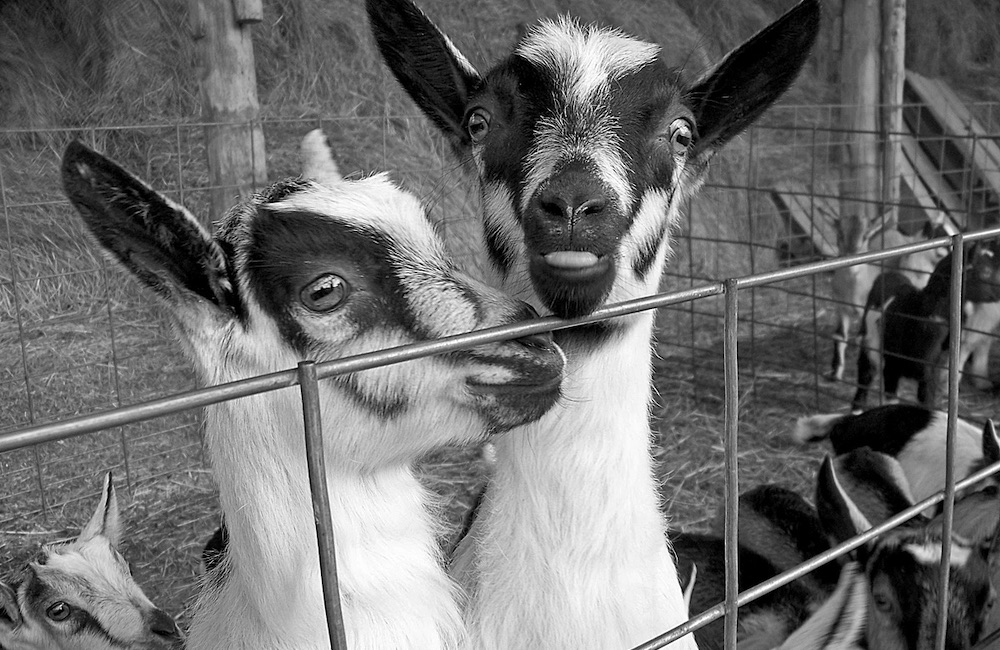
By Julie Johnson John and Andrea Woodworth operate a small goat dairy farm outside of Gate City, Va. Thirty-five alpine goats provide the family with enough milk to make a variety of cheeses, which they sell at local farmers markets as well as online. The Woodworth’s journey to enter the dairy market has taught them…
Read More