

Coal News
Christian Coalition Takes Stand on Mountaintop Removal
In March, the National Council of Churches announced that a multi-denominational coalition of 28 Christian groups petitioned the EPA to restore original Clean Water Act protections which would prohibit mountaintop removal mining coal companies from labeling coal waste as “fill.”
“As Christians, we are called to be good stewards of God’s creation, to love and care for our neighbors, and to speak out against injustice,” said Peter Illyn, executive director of the Christian environmental ministry, Restoring Eden. “As Appalachia’s communities and ecosystem suffers, we feel called by our faith to speak out against the unnecessary practice of mountaintop removal coal mining.
“We believe only God should move mountains. Closing the Clean Water Act loophole is a good first step,” Illyn said.
Agencies Move to Regulate The Coal Industry — Sort Of
In a historic move, the Environmental Protection Agency announced new water- quality guidelines that would severely limit impacts caused by mountaintop removal mining vally fills in central Appalachia.
The Office of Surface Mining Reclamation and Enforcement (OSM) is also drafting proposed regulations for mountaintop removal coal mining that would restore a 100-foot buffer zone for streams, among other regulations. The rules will only apply to new permits and not to existing operations. Regulations are scheduled to be finalized by mid-2012.
The EPA also released two public op- tions to regulate toxic coal ash waste (CCW) in May, one which would treat—but not label—the ash as hazardous material and one which would consider CCW as non- hazardous. Neither option addressed the disposing of coal ash in abandoned mine sites, a practice which some scientists believe is poisoning nearby groundwater.
Banks, Universities Changing Their Tune On Fossil Fuels
A Synapse Energy Economics study reported that the federal government is providing billions of dollars in subsidies through tax credits, loans, tax-exempt bonds and support of international institutions that finance fossil fuel use and extraction.
But after months of pressure from environmental groups and private citizens, JPMorgan Chase joined Bank of America, Citibank and Wells Fargo in reviewing financial connections with companies that engage in mountaintop removal.
And last but not least, students at the University of North Carolina-Chapel Hill won a commitment from Chancellor Holden Thorp to phase out burning coal in the school’s power plant by 2020 and to end the use of moutaintop removal mined coal sooner. The university is looking into biomass, energy conservation and efficiency methods to meet electricity on campus.
In Other Coal-Related News…
Greenville, OH: Greeneville residents blocked the U.S. government’s plans to sequester CO2 emissions deep beneath their homes, protesting and holding community actions until the project was scrapped.
West Virginia: The EPA announced up to $800,000 in Brownfields grants to help turn abandoned industrial properties throughout the state—including several old mine sites—into useful community spaces.
Pittston, PA: The EPA conducted a five-day training exercise in late April to test the emergency response system for the Butler Mine Tunnel Superfund site, part of the new requirements by the EPA to help minimize the impact of discharges from the tunnel.
Hong Kong, China: Joy Al-Sofi recently won first prize in a competition of the Hong Kong Writers Circle for a monologue focusing on the dangers of mountaintop removal coal mining.
Columbus, OH: Rather than bring their facility into compliance with the Clean Air Act, American Municipal Power elected to permanently shut down its coal-fired power plant near Marietta, Ohio.
Related Articles
Latest News
More Stories

Halloween Approaches, and Night School Is in Session
The House of Art in Bluefield, West Virginia, looks like a haunted tower, making it the perfect location for its sixth annual haunt event: Night School. The Night School will be open every Friday and Saturday night through Oct. 31.

‘The Most Perfect Act of Love’
After losing its rural pride celebration, hundreds of people attended the second annual Affirming Sumner Pride celebration on a 24-acre farm dubbed “Fruity Farm” in Bethpage, Sumner County, Tennessee.

Signs of Life
In the Nantahala National Forest, a team of biologists spotted Indiana bats, an endangered species that hasn’t been seen in North Carolina for the last 11 years.

‘First Line of Defense’
During Hurricane Helene and its aftermath, rural fire departments and other first responder hubs played critical roles in keeping their communities safe, even without power and cut off from outside support for days or weeks after the storm. Two years later, plenty of work remains to ensure these hubs have the resources they need to operate day to day and be ready when emergencies or natural disasters strike.

The Rocky Road — and Bridge — to Recovery
Hurricane Helene is estimated to have damaged nearly 7,000 private roads and bridges in Western North Carolina. Two years later, many restoration projects are complete, but the journey hasn’t been easy — and isn’t over for others.
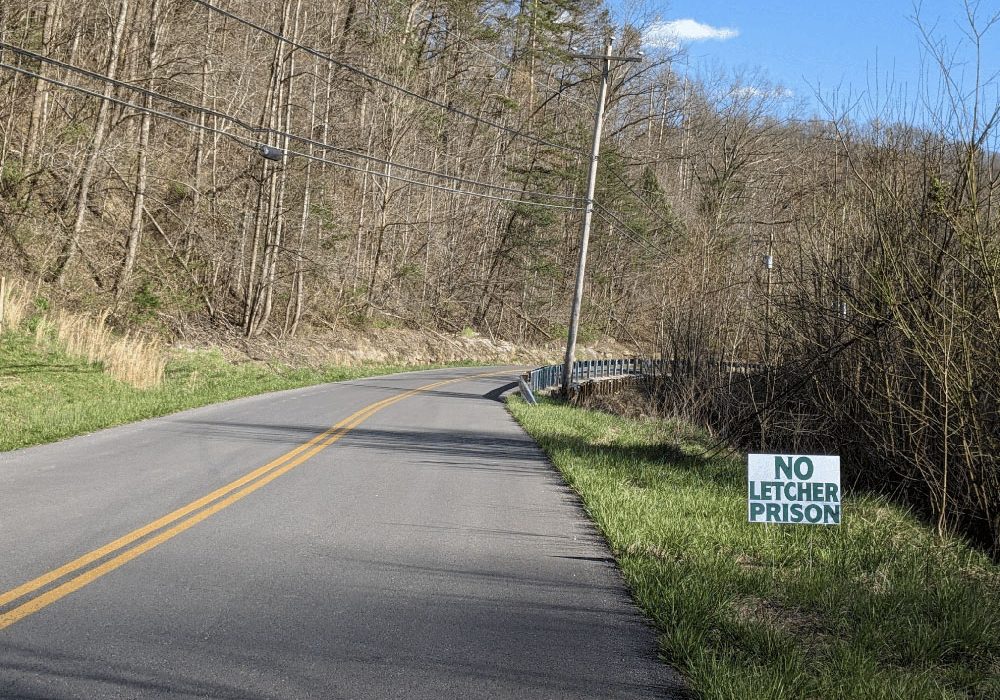
After 20 Years, Letcher County Prison Proposal Is Still Alive, Though Obstacles Remain
A $605 million proposal for a federal prison on a former strip mine site in Letcher County, Kentucky, championed by U.S. Rep. Hal Rogers, refuses to die, despite local opposition, a lack of support from the executive branch and numerous other obstacles.

Leave a comment
Your email address will not be published. Required fields are marked *
Leave a Comment