
The Appalachian Voice
Running On Reality: A Conversation with Anthony Flaccavento
This is an abridged version of this interview that published in the print edition of our June/July 2013 issue. You can read the full transcript here. For more than 20 years, Anthony Flaccavento has worked to build bridges between small-scale organic growers like himself and farmers markets, grocery stores and public schools. He founded Appalachian…
Read MoreGarden Advice from the Experts!
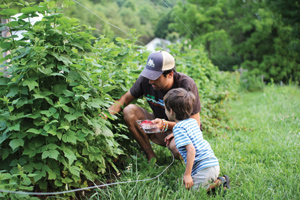
As we prepared this agriculture-themed issue of The Appalachian Voice, we couldn’t help but think of how to improve our own green thumbs. We took the following questions to Ruth Gonzalez and Meredith McKissick at the Organic Growers School, a nonprofit that promotes sustainability through educational opportunties in Southern Appalachia. 1. Is there a way…
Read MoreHeirloom Plants Preserve Tradition and Heritage

By Alix John Woody Malot loves talking about heirloom seeds and seed saving. He gives out heirloom seeds to his friends and students, offers advice on how to grow them and emphasizes their stories and heritage. He is currently the head of the science department at Rabun Gap-Nacoochee School and owner of Barker’s Creek Grist…
Read MoreMaking It Last
The Easement’s Role in Protecting Family Acreage By Matt Grimley Once covered by corn, cattle and tobacco, the land surrounding Philip Fortune’s fifth-generation family farm near Asheville, N.C., was subdivided into roadways and developments. Unable to continue operating without difficulty, he purchased 180 acres in nearby Greene County, Tenn. Determined not to let his land…
Read MoreAdapting Farms to Face the Climate Challenge
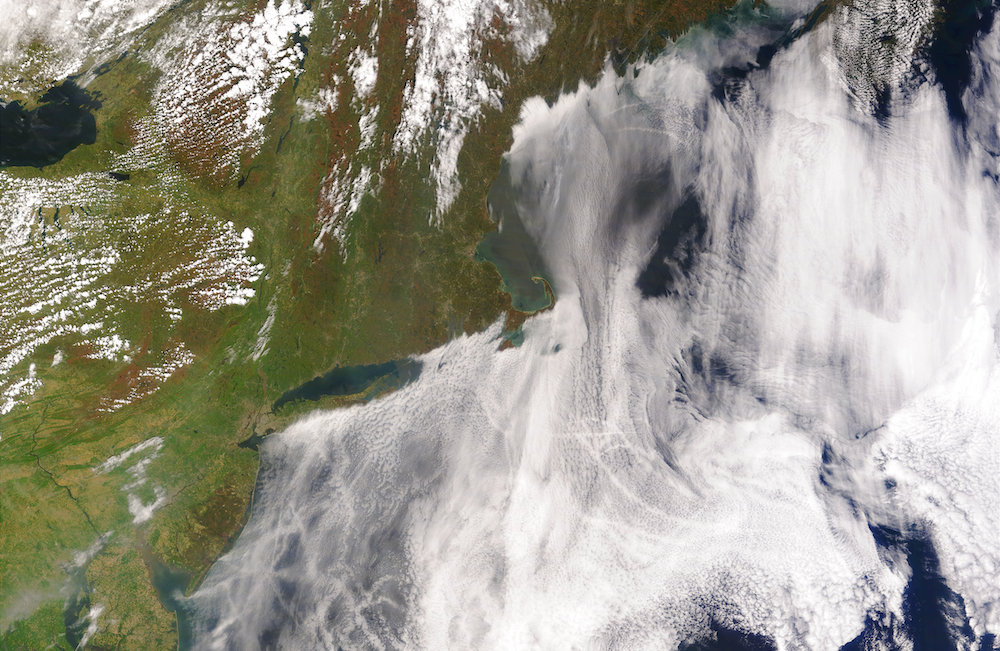
By Brian Sewell Around the world, farmers are arguably the first to feel the impacts of climate change, and of all the systems put at risk, food may be the most fragile. Some of the largest grain and livestock producing states are still recovering from last year’s drought-stricken season. And forecasts for this summer are…
Read MoreToday’s Farming Frontier
Resilient Growers Adapt to Contemporary Challenges By Molly Moore A summer drive along nearly any Appalachian road reveals scenes of agrarian beauty – cows grazing in the morning mist, hills striped with rows of Christmas trees, and a mix of colorful and weathered barns. Twenty years ago, the drive would have toured fields and sloping…
Read MoreThe Mysterious World of Moss
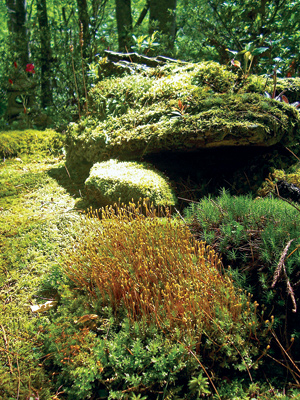
Story and photos by Molly Moore As part of the first plant family to colonize Earth, the soft beds of mosses that now grace mountain streams and woodlands may have shaped our planet’s history. Primitive mosses, similar to the hundreds of moss species found in Appalachia, might have triggered two cool periods around 455 million…
Read MoreTips for Hiking with Kids
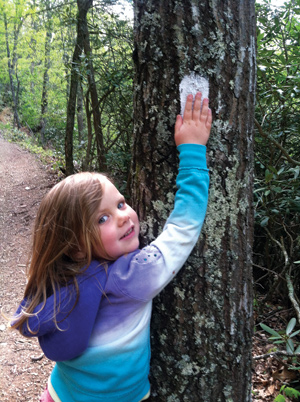
• Hiking is a great way to tap into children’s instinctive curiosity, as long as you’re prepared to slow your pace and stop to explore whatever catches their attention. • Let kids carry their own small packs. Having their own water bottle, snack and camera gets them engaged. • Prepare everyone for the fact that…
Read MoreHitting the Trail with Kids at Hungry Mother
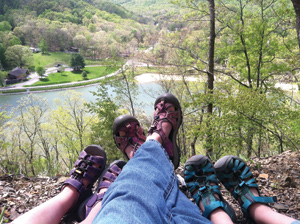
Story and photos by Paige Campbell Becoming a parent is no reason to turn in your hiking boots. Children are naturals on the trail, in fact, and as long as you adjust your expectations, there are plenty of trails that are completely doable for hikers of all sizes, and very much worth doing. A favorite…
Read MoreCourt Rulings Favor Clean Water
By Brian Sewell Two consecutive court rulings in April affirmed the U.S. Environmental Protection Agency’s authority to veto mountaintop removal valley fill permits and called for increased scrutiny of the practice’s environmental impacts during the permitting process. On April 22, the 6th U.S. Court of Appeals revoked the U.S. Army Corps of Engineers’ use of…
Read More