
All Posts
How much progress are we making on ending mountaintop removal?
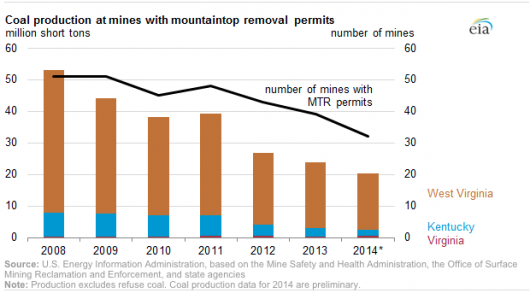
Last week, the U.S. Energy Information Administration pointed to a steep decline in coal produced by mountaintop removal mining. But
a closer examination of the data calls into question the adequacy of the legal definition of “mountaintop removal” and, more importantly, demonstrates that much more work is needed to truly end destructive mining practices in Central Appalachia.
Eliminating poverty housing with efficient and alternative energy use

When North Carolina’s Ashe County Habitat for Humanity formed five years ago, seven people came together to study how to best build a home. They made a commitment not only to affordability, but also to energy savings, and the board voted to build all Ashe County Habitat houses to maximize efficiency and place an emphasis on alternative forms of energy.
Read MoreTurning down the heat: A collaborative effort to reduce energy bills
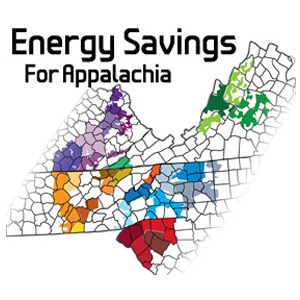
Extreme temperatures can send electric utility bills skyrocketing across most of North Carolina and place high demands on the state’s electric utility infrastructure. Fortunately, proven models exist that expand access to financing for energy efficiency improvements for everybody, including those who may not qualify for loans under traditional underwriting criteria.
Read MoreA “golden opportunity” in disguise
 In 2013, federal funds derived from a per-ton fee on mined coal were distributed to Central Appalachia states for restoring abandoned mine lands. The result was $182 million in economic benefit and 1,317 jobs–plus cleaner streams, and a healthier future for nearby residents. A new report out shows how the federal program should be fixed to yield even better results, and sooner.
Ison Rock Ridge and land ownership in Appalachia
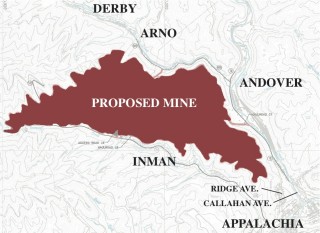
Earlier this summer, our friends at Southern Appalachian Mountain Stewards celebrated the defeat of a proposed mountaintop removal mine along Ison Rock Ridge in Southwest Virginia. But although the imminent threat of mining is past, the land on Ison Rock Ridge is still owned by an absentee landholding company in the business of leasing out tracts to coal operators for mountaintop removal.
Read MoreEIA: Mountaintop removal coal production down
The U.S. Energy Information Agency (EIA) published a blog post today showing that coal produced by mountaintop removal mining in Central Appalachia decreased by 62 percent between 2008 and 2014. Demand for Central Appalachian coal will continue to decline, making further progress inevitable. But we won’t end mountaintop removal by relying on the market alone.
Read More“It’s just vitamins!” Industry confuses residents on coal ash safety
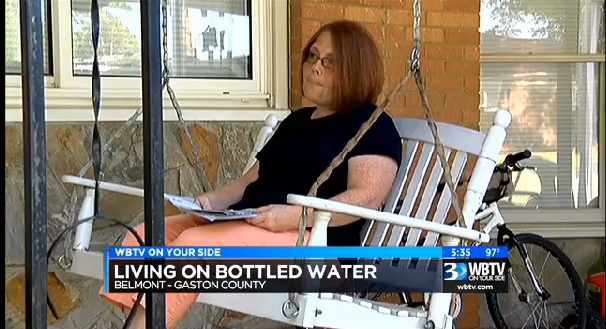
Duke Energy and the N.C. Department of Environment and Natural Resources continue to confound and confuse families that have the unfortunate luck of living in close proximity to the utility’s coal ash lagoons. So citizens and county officials are stepping in to help residents air their frustrations and, hopefully, to receive some answers.
Read MoreA time of transition: APCo’s latest Virginia generation plan
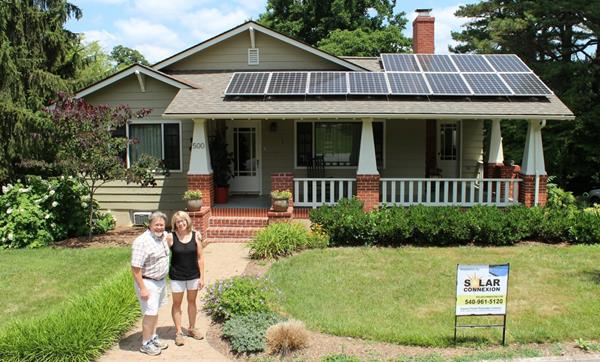
It’s like Christmas in July, at least for those of us who get excited about energy news. On Wednesday Virginia’s utilities released their long-term plans to meet demand. Here we unwrap that bright shiny package for a look at what Appalachian Power is pursuing between now and 2029.
Read MoreSupreme Court delivers blow to EPA’s mercury rule

In a major decision today, the Supreme Court ruled the U.S. Environmental Protection Agency did not properly consider costs when it created a rule to limit mercury emissions from power plants. But the agency has a mandate and a clear path forward to protect public health by limiting emissions of mercury and other toxic air pollutants.
Read MoreAppalachian legislators give POWER+ the cold shoulder
 Virginia’s coal-bearing counties would directly benefit from the adoption of the POWER+ plan, a proposal in the Obama administration’s 2016 budget that would direct more than a billion dollars to Central Appalachia. But budget bills passed out of both houses of Congress weaken or include no mention of the POWER+ Plan.