

Solidarity in the Tar Heel State
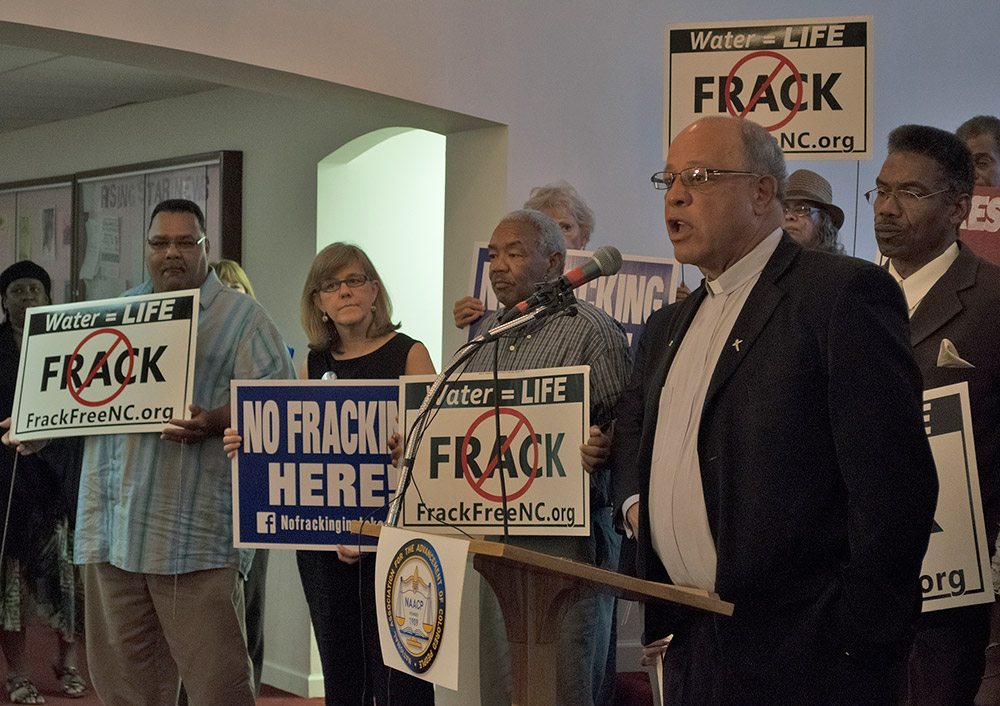
Rev. Hairston, president of the Stokes County, N.C., NAACP, speaks at an event to bring attention to disproportionate environmental threats in low-income communities of color. At left, a concerned resident holds a sign asking for the state to designate Belews Creek as a high-priority coal ash cleanup site.
Story by Julia Simcoe and staff
Appalachian Voices joined representatives of the National Society for the Advancement of Colored People in Stokes County, N.C., last May to stand in solidarity against disproportionate polluting in low-income communities of color. Representatives from local and national levels of the NAACP spoke at the event, joined by Karenna Gore, director of the Center for Earth Ethics at Union Theological Seminary and daughter of Al Gore.
Stokes County is home to the coal ash ponds at Duke Energy’s Belews Creek Steam Station. The two communities closest to the ponds — Walnut Tree and Belews Creek — are predominantly African-American and low-income, although the county as a whole is less than 10 percent African-American.
All 14 of Duke’s N.C. coal ash ponds were found to be polluting ground and surface water, and recently, close to 200 households near some of the ponds were issued notices from the state health department advising them to not drink or cook with water from their wells (see full story on page 24).
The state’s recent decision to drill an exploratory core sample to assess natural gas reserves in Walnut Tree has led to concerns that hydraulic fracturing might come to the area.
Tracey Edwards grew up next to the Belews Creek Steam Station and remembers when coal ash used to fill the air, landing on their homes and gardens. She recalls eating from the garden and worries that the ash may have affected her health.
Edwards feels she has already dealt with too much pollution, and does not want fracking to come to the community.
Jacqueline Patterson from the NAACP urged the crowd to see connections between racism, healthcare and pollution. “Sixty-eight percent of African-Americans live within 30 miles of a coal-fired power plant,” she said. “African-American children are five times more likely to enter into the hospital from asthma attacks and three times likely to die from asthma attacks, so this is definitely a moral issue.”
Related Articles
Latest News
More Stories

Halloween Approaches, and Night School Is in Session
The House of Art in Bluefield, West Virginia, looks like a haunted tower, making it the perfect location for its sixth annual haunt event: Night School. The Night School will be open every Friday and Saturday night through Oct. 31.
‘The Most Perfect Act of Love’
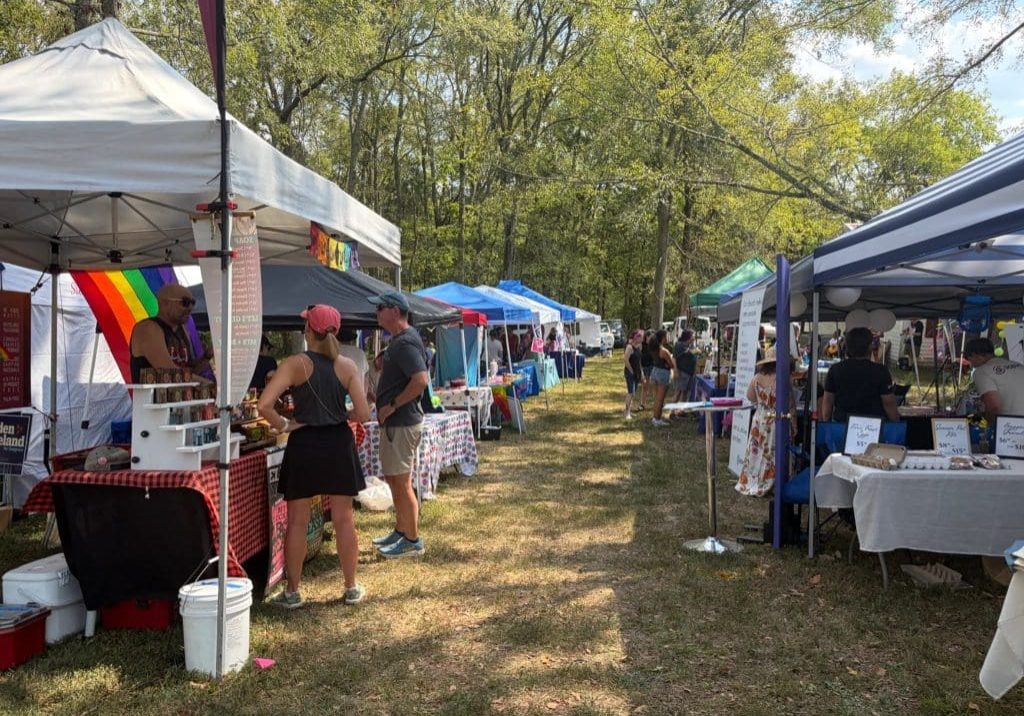
After losing its rural pride celebration, hundreds of people attended the second annual Affirming Sumner Pride celebration on a 24-acre farm dubbed “Fruity Farm” in Bethpage, Sumner County, Tennessee.

Signs of Life
In the Nantahala National Forest, a team of biologists spotted Indiana bats, an endangered species that hasn’t been seen in North Carolina for the last 11 years.

‘First Line of Defense’
During Hurricane Helene and its aftermath, rural fire departments and other first responder hubs played critical roles in keeping their communities safe, even without power and cut off from outside support for days or weeks after the storm. Two years later, plenty of work remains to ensure these hubs have the resources they need to operate day to day and be ready when emergencies or natural disasters strike.

The Rocky Road — and Bridge — to Recovery
Hurricane Helene is estimated to have damaged nearly 7,000 private roads and bridges in Western North Carolina. Two years later, many restoration projects are complete, but the journey hasn’t been easy — and isn’t over for others.
After 20 Years, Letcher County Prison Proposal Is Still Alive, Though Obstacles Remain
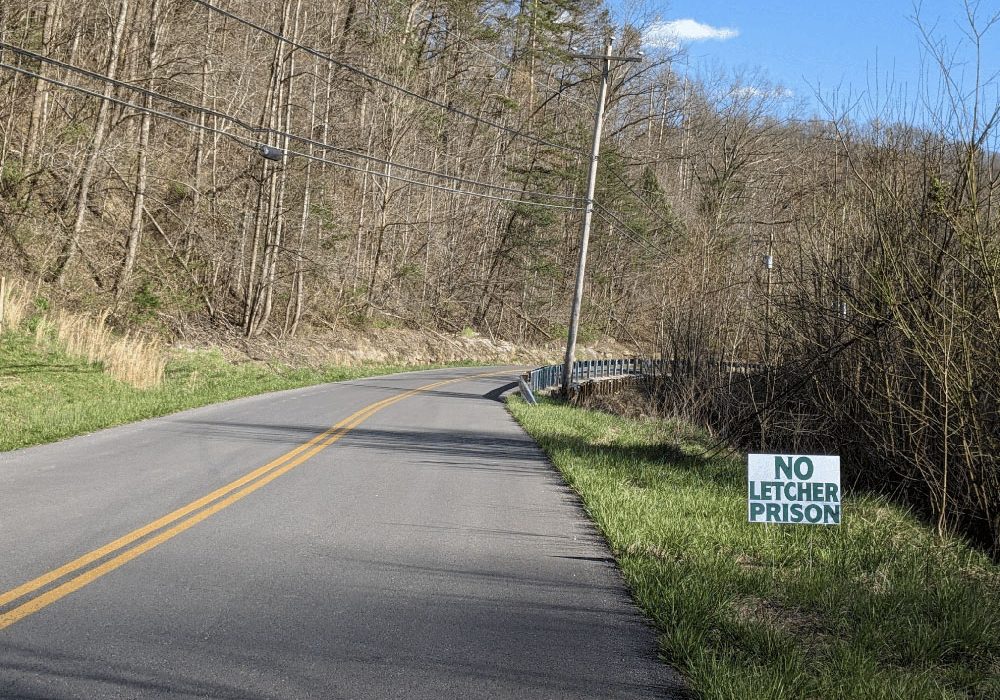
A $605 million proposal for a federal prison on a former strip mine site in Letcher County, Kentucky, championed by U.S. Rep. Hal Rogers, refuses to die, despite local opposition, a lack of support from the executive branch and numerous other obstacles.

Leave a comment
Your email address will not be published. Required fields are marked *
Leave a Comment